How to Prune Lusterleaf holly?
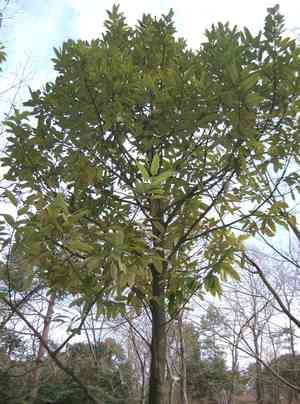
This expansive evergreen, noted for its lustrous leaves and ability to thrive in shaded conditions, responds well to judicious trimming. For Ilex latifolia, remove aged or congested branches to preserve its appealing shape and stimulate robust development. Perform pruning on Ilex latifolia while it is dormant, preferably in the winter season, to lessen strain and avert the leakage of sap. Eliminating lifeless or ailing wood boosts the plant's vitality, and pruning also aids in improving light exposure and air movement, which are vital for the comprehensive health of Ilex latifolia.
What Are the Benefits of Pruning Lusterleaf Holly?
What Are the Benefits of Pruning Lusterleaf Holly?
Trimming lusterleaf holly encourages robust development and maintains its desired form. Strategic removal of dead or weak branches fosters a strong framework and dense foliage, crucial for this species' visual appeal.
What Is the Best Time for Pruning Lusterleaf Holly?
What Is the Best Time for Pruning Lusterleaf Holly?
Pruning lusterleaf holly in late winter or early spring is ideal since the plant is still dormant. This timing allows for the removal of dead or damaged branches without jeopardizing the health of lusterleaf holly, as wounds can heal quickly with the spring growth surge. It also prevents cutting off flower buds formed the previous year, ensuring the display of lusterleaf holly's characteristic berries and flowers in subsequent seasons. Pruning during this period minimizes stress on lusterleaf holly, as sap flow is reduced, lowering the risk of sap bleed and associated diseases. Furthermore, bare branches in winter offer a clearer view of the plant's structure, enabling more precise and effective pruning.
What Tools Do I Need to Prune Lusterleaf Holly?
Hand Pruners
Perfect for making precise cuts on lusterleaf holly's young and smaller branches. Useful for shaping and removing dead or diseased wood, ensuring cuts are clean and cause minimal damage to the plant.
Loppers
Given lusterleaf holly's potentially thick branches, loppers provide the necessary leverage for cutting through branches thicker than hand pruners can manage. This tool is essential for controlling lusterleaf holly's growth without straining the gardener.
Hedge Shears
For lusterleaf holly's formal hedge shapes, hedge shears can be used to trim and shape the outer foliage, creating a neat, even surface on the plant.
Saw
For mature lusterleaf holly with more extensive, woody branches, a pruning saw is required. A saw enables the removal of larger branches, helping to maintain the health and structure of lusterleaf holly.
How to Prune Lusterleaf Holly
Clean Tools
Clean and sanitize all pruning tools to prevent disease spread. Use a solution of 1 part bleach to 9 parts water or rubbing alcohol to wipe down blades before starting and after cutting diseased branches.
Remove Dead
Identify and remove dead branches from lusterleaf holly, cutting just above a healthy section of the branch. Make your cut at a 45-degree angle to promote water runoff and healing.
Excise Diseased
Carefully cut out diseased branches of lusterleaf holly. If the disease is widespread, remove the entire branch to the base. If localized, prune 3 to 5 inches into healthy wood beyond the diseased spot.
Disposal
Immediately dispose of all removed diseased or dead material away from healthy lusterleaf holly plants to prevent the spread of any pathogens.
Final Cleanup
Finish by cleaning your tools again using the sterilizing solution, and make clean cuts on any ragged edges left from pruning to facilitate quick healing for lusterleaf holly.
Common Pruning Mistakes with Lusterleaf Holly
Over Pruning
Removing too much foliage at once from lusterleaf holly can stress the plant, impede its growth, and reduce flowering. This often happens when gardeners aim for a drastic size reduction in a single session.
Improper Cut Locations
Cutting too far from a bud or node can result in unsightly dead wood, while cutting too close can harm the bud. Both errors can create entry points for disease.
Using Dull Tools
Using dull pruning shears or saws can create jagged cuts that heal poorly and increase the likelihood of disease and pest infestation in lusterleaf holly.
Neglecting Sanitation
Failing to clean and disinfect pruning tools before and after use can spread pathogens between plants, endangering lusterleaf holly and other garden plants.
Ignoring Natural Shape
Attempting to force lusterleaf holly into unnatural shapes can lead to a weak structure and poor health over time. It's a mistake not to consider the natural growth habit during pruning.
Common Pruning Tips for Lusterleaf Holly
Selective Pruning
Focus on removing only the most essential parts of lusterleaf holly, such as dead, diseased, or crossing branches, to minimize stress and encourage healthy growth.
Correct Cut Angle
Make cuts at a 45-degree angle just above an outward-facing bud or node to promote outward growth and water runoff, preventing rot.
Sharp Tools
Always use sharp, clean pruning tools to make clean cuts that heal quickly, reducing the risk of disease entry.
Sterilization
Sterilize tools after each cut when removing diseased wood and between each specimen to maintain the health of lusterleaf holly and prevent disease spread.
Structure Maintenance
Regularly shape lusterleaf holly by thinning out dense areas to increase light penetration and air circulation, enhancing the plant's overall health and form.



