How to Prune American holly?
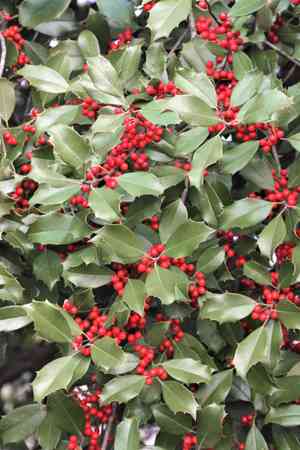
A wide-leaved evergreen featuring crimson berries and prickly foliage, american holly necessitates careful trimming to preserve its form and foster its well-being. Ideally pruned during the winter season, eliminate any lifeless or ailing branches, thin out for improved light penetration and air circulation, and decrease its dimensions if required. Refrain from over-pruning to safeguard the berry yield. Trimming boosts vitality and sustains an appealing structure while averting typical health issues.
What Are the Benefits of Pruning American Holly?
What Are the Benefits of Pruning American Holly?
Trimming american holly promotes robust development and helps maintain its desired form. By eliminating superfluous, aged, or compromised branches, the plant's overall well-being and structure are greatly enhanced.
What Is the Best Time for Pruning American Holly?
What Is the Best Time for Pruning American Holly?
Winter is the optimal period for trimming american holly as the plant is typically dormant, lessening stress on the tree and reducing the chance of disease spread through cuts. The absence of leaves makes it simpler to assess the treeâs framework, allowing for more precise removal of dead, diseased, or damaged wood. Pruning during dormancy also stimulates vigorous growth in the subsequent spring, aligning with american holly's natural growth cycle. This timing avoids disrupting the late spring to early summer flowering period and ensures that the berry production, which occurs in the fall, is not negatively impacted.
What Tools Do I Need to Prune American Holly?
Hand Pruners
Perfect for making clean cuts on smaller branches (up to 3/4 inch in diameter). american holly's relatively slender branches can be effectively trimmed with hand pruners, ensuring accuracy and preventing harm to the plant.
Loppers
Ideal for cutting thicker branches (up to 1 1/2 inches in diameter) that hand pruners cannot manage. Given american holly's dense foliage, loppers will reach into the plant for improved access and leverage.
Pruning Saw
Essential for removing larger branches (exceeding 1 1/2 inches in diameter). american holly may develop thicker, mature branches that necessitate the power and cutting ability of a saw.
Hedge Shears
Useful for shaping american holly when a formal appearance is desired. american holly can be utilized in hedges, and the shears create straight, even cuts across multiple branches.
Pole Pruner
Suitable for trimming branches that are out of reach. american holly's height may require the use of a pole pruner for cutting higher branches without needing a ladder.
Gloves
Crucial for protecting hands from american holly's spiky leaves. Gloves offer a better grip for tools and shield against cuts from sharp foliage and branches.
Disinfectant
Important for sanitizing tools between cuts to prevent the spread of disease. Keeping tools clean helps maintain the health of american holly.
How to Prune American Holly
Step1: Health and Structure Assessment
Evaluate the overall health and structure of american holly before beginning to prune. Look for the specified parts to trim: dead wood, diseased limbs, and weak branches. Ensure that tools are sharp and clean to prevent the spread of disease.
Step2: Dead Wood Removal
Identify and eliminate all dead wood. These branches will snap easily and appear dry and lifeless. Make cuts at a 45-degree angle just above a healthy leaf node or bud, ensuring that the slope of the cut angles away from the node.
Step3: Disease Inspection and Elimination
Inspect american holly for any indications of disease. Signs can include discolored leaves, cankers, or unusual growths. Prune diseased limbs well below the affected area to prevent the spread of disease. Disinfect your tools after cutting diseased limbs.
Step4: Weak Branch Identification
Locate weak branches that may be rubbing against stronger ones, crossing over the center of american holly, or growing at awkward angles that do not contribute to the overall form. Removing these will improve air circulation and light penetration.
Step5: Thinning Cuts for Weak Branches
Perform thinning cuts to remove weak branches. Target the base of the branch where it meets a larger one or the trunk. Cut at the branch collar (the swollen area where the branch connects) to promote proper healing.
Step6: Shaping and Form Evaluation
After removing the specified trim parts, step back and assess the shape of american holly. The goal is to maintain a pyramidal form with a single leader, if appropriate. Remove any additional branches that detract from this natural shape.
Step7: Cleanup of Pruned Material
Finish by clearing the work area. Remove all pruned material from around american holly to discourage pests and diseases. Keep the base of american holly free of fallen debris.
Step8: Post-Pruning Watering
Water american holly deeply if the soil is dry to help reduce stress from pruning. Avoid fertilizing immediately after pruning as it can stimulate growth at an undesirable time.
Step9: Aftercare Monitoring
Monitor american holly for signs of stress or disease after pruning and treat as necessary. Proper aftercare ensures american holly remains healthy and vigorous.
Post-Pruning Care for American Holly
Post-Pruning Care for American Holly
Following pruning, promptly clean american holly's cuts with water to avoid infection. Provide partial shade to mitigate stress and regulate temperature, ensuring american holly is not exposed to extreme conditions. Maintain consistent soil moisture without waterlogging. Commence a balanced, slow-release fertilizer regimen to aid recovery, adjusting for growth stage and season. Monitor american holly for wilt, discoloration, or pests, and intervene with appropriate horticultural measures if symptoms of distress appear.
Common Pruning Mistakes with American Holly
Dull Tools Lead to Disease
Not using sharp, clean tools for pruning american holly can lead to uneven cuts and increase the risk of disease transmission.
Excessive Foliage Removal Stresses Plant
Removing too much foliage from american holly at once can stress the plant and lead to poor growth or reduced vigor.
Unnatural Pruning Shape Harms Growth
Pruning american holly into an unnatural shape can inhibit its natural growth pattern and potentially damage the aesthetic appeal of its naturally pyramidal form.
Neglected Dead Branches Cause Decay
Ignoring dead, damaged, or diseased branches on american holly during pruning can lead to further decay and negatively impact overall plant health.
Lack of Thinning Affects Health
Overlooking the importance of selective thinning can result in insufficient light penetration and air circulation, which are crucial for the health of american holly.
Common Pruning Tips for American Holly
Sharp Tools for Clean, Healthy Cuts
Use clean, sharp tools to make clean cuts on american holly, which will promote better healing and reduce the risk of disease.
Prune Moderately to Avoid Stress
When reducing the size of american holly, aim to remove no more than one-third of the plant's total foliage in a single season to minimize stress.
Follow Plant's Natural Growth Pattern
Retain the natural pyramidal shape of american holly when pruning by gently shaping the plant, following its inherent growth pattern.
Remove Unhealthy Branches for Plant Health
Always remove dead, damaged, or diseased branches from american holly to maintain a healthy plant structure and improve its overall appearance.
Selective Thinning for Light and Air
Conduct selective thinning of the branches on american holly to allow ample light penetration and air circulation, which are essential for the vigor of the plant.
Prune Near Nodes for Productive Growth
For the health and aesthetics of american holly, make sure to prune just above a leaf node or bud to encourage productive new growth in the desired direction.



