How to Prune Purple Anise?
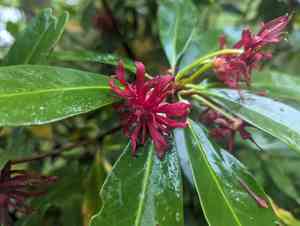
A shrub indigenous to the southeastern United States, distinguished by its star-shaped blossoms and persistent leaves, purple Anise needs only slight trimming to preserve its form and foster robust development. The ideal period for pruning is during winter, while the plant is inactive. This process entails excising dead or ailing wood and reducing dense branches to improve air movement. Gentle shaping can be performed to stimulate a more compact growth habit. Advantages of pruning encompass heightened plant vitality and the avoidance of prevalent ailments due to better air circulation.
What Are the Benefits of Pruning Purple Anise?
What Are the Benefits of Pruning Purple Anise?
Trimming purple Anise promotes robust development and helps preserve its desired form. Regular cutting eliminates dead or weak branches, fostering a healthier, thicker canopy and improving its look.
What Is the Best Time for Pruning Purple Anise?
What Is the Best Time for Pruning Purple Anise?
Trimming purple Anise in late winter, just before spring growth starts, is optimal since the plant is still dormant, minimizing stress and reducing the risk of pruning shock. This timing allows for the removal of any cold-damaged branches and helps maintain the plant's desired shape. It also optimizes conditions for healing pruning wounds and supports vigorous spring growth. Late winter pruning occurs well before purple Anise's flowering period, thus ensuring that blooming is not negatively impacted.
What Tools Do I Need to Prune Purple Anise?
Hand Pruners
Perfect for cutting small stems and branches on purple Anise, providing precise cuts that aid in maintaining plant vitality.
Lopping Shears
Useful for trimming thicker branches that hand pruners cannot manage, ensuring a clean cut without harming purple Anise.
Pruning Saw
Essential for removing larger limbs of purple Anise that are too thick for loppers, allowing for more significant shaping and upkeep.
Hedge Shears
Excellent for shaping purple Anise into hedges or formal designs by evenly trimming soft, new growth.
Pole Pruner
Helpful for reaching higher branches of purple Anise without needing a ladder, ensuring safety while trimming taller specimens.
How to Prune Purple Anise
Clean And Sharpen Tools
Before you start, ensure your pruning tools are clean and sharp to make precise cuts and prevent disease spread to purple Anise.
Identify Parts To Trim
Carefully inspect purple Anise to locate any dead or diseased branches. These are typically discolored, dry, and may show signs of fungal infection or dieback.
Sanitize Before Cutting
To prevent disease transmission, sanitize your pruning tools with a solution like isopropyl alcohol or a 10% bleach solution before making any cuts on purple Anise.
Make Pruning Cuts
Using your pruning tools, make clean cuts to remove dead and diseased branches from purple Anise. Where possible, cut back to the point of origin or to a healthy outward-facing bud to encourage outward growth.
Dispose Dead Material
Collect and discard all removed material from purple Anise in a way that prevents disease spread. Do not compost diseased plant parts; place them in the trash or burn if permitted in your area.
Common Pruning Mistakes with Purple Anise
Overpruning
Removing too much foliage at once can stress purple Anise, potentially leading to weak growth or increased susceptibility to disease.
Aggressive Shaping
Using overly aggressive shaping techniques can damage purple Anise's natural growth habit and hinder its beautiful, naturally shapely appearance.
Not Sterilizing Tools
Failing to sterilize pruning tools can introduce pathogens to purple Anise, potentially causing disease spread.
Cutting Too Close
Making cuts too close to the main stem of purple Anise can cause damage to the bark and the main stem, which may inhibit healing and lead to disease entry.
Neglecting Deadheading
Neglecting to remove spent flowers (deadheading) can result in purple Anise expending energy on seed production rather than on new growth and flowering.
Pruning For Density
Excessive pruning to achieve density can actually result in fewer flowers since purple Anise blooms on new growth. Limiting light to the interior can also discourage bloom formation.
Ignoring Natural Form
Ignoring the natural form and trying to force purple Anise into an unnatural shape can impair its health and aesthetic value.
Common Pruning Tips for Purple Anise
Sterilize Tools
Always sterilize pruning tools before use to prevent the spread of diseases to purple Anise.
Natural Shape
Prune purple Anise while maintaining its natural growth habit, which will promote a healthier and more attractive plant.
Avoid Flush Cuts
When cutting back branches on purple Anise, avoid flush cuts against the trunk. Leave a small collar to aid in proper healing.
Deadheading
Regularly remove spent flowers from purple Anise to encourage new blooms and prevent the plant from diverting energy into seed production.
Thin Center
Thin out the center of purple Anise to improve air circulation and light penetration, both of which are essential for healthy growth and flowering.
Appropriate Cuts
Make pruning cuts at a 45-degree angle just above an outward-facing bud to direct new growth away from the center of purple Anise.
Step Back
Periodically step back to assess the shape of purple Anise during pruning, ensuring that cuts enhance its natural form rather than detract from it.
Moderate Pruning
Focus on moderate and consistent pruning of purple Anise to maintain plant health, rather than severe infrequent cuts.



