How to Prune Spotted touch-me-not?
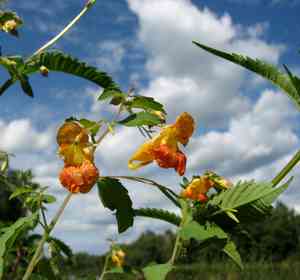
The spotted touch-me-not, a plant that thrives in low light and produces bright orange blossoms, benefits from consistent removal of spent flowers. This practice encourages an extended flowering period and deters the plant from reseeding itself. To preserve a dense form and stimulate more robust development, trim elongated stems in the latter part of spring. The most favorable times for pruning extend from spring through autumn. Refrain from pruning during winter months to safeguard against harm from cold temperatures. Routine trimming improves air movement, which can mitigate the fungal infections commonly found in the damp environments favored by spotted touch-me-not.
What Are the Benefits of Pruning Spotted Touch-me-not?
What Are the Benefits of Pruning Spotted Touch-me-not?
Trimming spotted touch-me-not promotes robust development and helps maintain its form. By carefully removing parts of spotted touch-me-not, gardeners can foster a stronger and more attractive shape, enhancing overall plant health and vigor.
What Is the Best Time for Pruning Spotted Touch-me-not?
What Is the Best Time for Pruning Spotted Touch-me-not?
Trimming spotted touch-me-not in Spring is optimal as the plant awakens from dormancy and before its rapid growth period. This timing allows gardeners to shape the plant and remove any winter damage, ensuring strong new growth and plentiful blooms. Late Summer pruning helps remove spent flowers or seed pods, which can encourage a potential second bloom and prevent unwanted self-seeding. Early Fall pruning should be minimal, focusing on deadheading and removing any unhealthy foliage to prevent disease. Throughout the ideal seasons, it is crucial to avoid pruning spotted touch-me-not during wet conditions to reduce disease risk. It's also important to refrain from late Fall pruning, as this can stimulate new growth vulnerable to frost.
What Tools Do I Need to Prune Spotted Touch-me-not?
Hand Pruners
Perfect for making precise cuts on spotted touch-me-not's delicate stems, ensuring minimal harm to the plant.
Garden Scissors
Useful for snipping off dead or yellowing leaves of spotted touch-me-not, as these tools offer control and are less likely to crush the plant's tissues.
Pruning Shears
Suitable for shaping spotted touch-me-not and managing its growth, providing clean cuts without applying excessive pressure.
Gloves
Essential to protect the gardener's hands from the plant's sap, which may cause skin irritation.
How to Prune Spotted Touch-me-not
Clean Tools
Before pruning spotted touch-me-not, ensure all pruning tools are clean and sharp to prevent disease spread and to make clean cuts that heal faster.
Remove Dead Flowers
Locate and snip off dead flowers from spotted touch-me-not, using scissors or pruners to cut them at the base of the flower stem. This process, known as deadheading, encourages more blooms and maintains the plant's appearance.
Eliminate Diseased Leaves
Carefully remove any diseased leaves from spotted touch-me-not by cutting them off at the base of the leaf stem. Dispose of diseased material away from healthy plants to prevent contamination.
Prune Overgrown Stems
Identify overgrown stems on spotted touch-me-not and cut them back to a healthy set of leaves or a growth node. This will help control the plant's shape and promote bushier growth.
Disinfect Tools
After pruning spotted touch-me-not, clean and disinfect all tools used in the process to prevent spreading any potential diseases to other plants during subsequent pruning sessions.
Common Pruning Mistakes with Spotted Touch-me-not
Overpruning
Removing too much foliage at once can stress spotted touch-me-not and potentially lead to poor growth or plant shock. It can also make the plant susceptible to diseases.
Blunt Tools
Using dull or dirty pruning tools can cause unnecessary damage and ragged cuts that can be entry points for pests and diseases.
Random Cuts
Making cuts without understanding the growth pattern of spotted touch-me-not can lead to unsightly growth and reduce the plant's chances for abundant blooming.
Pruning Healthy Tissue
Unnecessarily cutting away healthy leaves and stems can reduce the vigor of spotted touch-me-not and limit its ability to photosynthesize efficiently.
Ignoring Dead Growth
Failing to remove dead or dying foliage can inhibit new growth and create habitats for pests and diseases.
Common Pruning Tips for Spotted Touch-me-not
Selective Pruning
Focus on removing only dead or yellowing leaves and any stems that are weak, leggy, or damaged to encourage spotted touch-me-not to redirect its energy into producing new, healthy growth.
Tool Care
Ensure pruning tools are sharp and clean before beginning to make clean cuts that spotted touch-me-not can heal from quickly and minimize the risk of disease.
Gentle Technique
Use a gentle touch when pruning to prevent accidental damage to spotted touch-me-not's somewhat tender stems and leaves.
Consistent Maintenance
Regularly inspect spotted touch-me-not for dead or damaged growth to maintain its health and appearance, and remove such material promptly.
Pinching For Density
Pinch back the tips of young spotted touch-me-not plants to encourage bushier growth and more abundant flowering as this promotes branching.



