How to Prune Common morning glory?
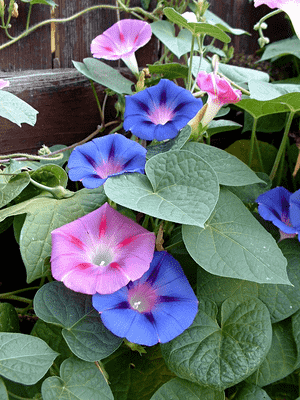
A climbing annual, Ipomoea purpurea is recognized for its vivid, trumpet-shaped blossoms. Trim to enhance airflow and control its form by cutting stems directly above leaf junctions. The best time for trimming is from the beginning of spring until late autumn, steering clear of chilly periods. Trimming encourages fresh development and blooming, lowers the chance of illness, and stops uncontrolled expansion. Accuracy and scheduling are crucial to prevent excessive trimming and guarantee abundant flowers.
What Are the Benefits of Pruning Common Morning Glory?
What Are the Benefits of Pruning Common Morning Glory?
Trimming common morning glory promotes strong development and maintains its form. This practice ensures energy is directed to healthy branches, boosting bloom potential and leaf density, while preventing excessive growth.
What Is the Best Time for Pruning Common Morning Glory?
What Is the Best Time for Pruning Common Morning Glory?
These periods are considered ideal as they align with the common morning glory's growth cycle. Early spring pruning encourages robust new shoots and ensures energy is channeled towards vigorous development rather than sustaining old or potentially damaged plant parts. Pruning in late autumn, after the plant has completed its flowering cycle, is beneficial because it removes spent flowers and seed pods, preventing unwanted self-seeding and promoting a neater growth habit for the subsequent season. This timing also avoids harming the plant during its active growth and blooming phase, allowing gardeners to enjoy its full ornamental value throughout the growing season.
What Tools Do I Need to Prune Common Morning Glory?
Hand Pruners
Common morning glory is a relatively delicate vine; for cutting back or managing its growth, sharp hand pruners are suitable. They provide precise cuts that can help prevent damage to the tender stems.
Scissors
For light trimming and deadheading common morning glory, sharp scissors might be all that's necessary. They are perfect for snipping off faded blossoms and encouraging further blooming.
Gloves
While not a cutting tool, gloves are essential when pruning common morning glory to protect your hands from sap and the abrasive vines.
Pruning Saw
For older, woodier stems of common morning glory that may have thickened over time, a small pruning saw can be useful. It can make clean cuts without harming nearby stems.
How to Prune Common Morning Glory
Step1: Inspect Plant for Deceased Parts
Identify the sections of common morning glory that need trimming, such as dead leaves, stems, and flowers. This step involves carefully examining the plant to determine which parts are no longer alive or healthy.
Step2: Prepare Suitable Pruning Tools
Ensure you have the appropriate tools for pruning common morning glory, which should include sharp and clean shears or scissors. This guarantees a clean cut that will heal quickly and minimizes plant damage.
Step3: Remove Dead Leaves at Stem Junction
Begin by removing dead leaves. Cut the leaf stem where it meets the main stem or vine of common morning glory, being careful not to damage the main stem. It is crucial to remove the entire leaf stem to prevent rot and disease.
Step4: Prune Dead Stems Near Healthy Growth
Prune dead stems by selecting the point where the dead stem connects to a healthy segment of the vine. Carefully make a cut close to this junction, ensuring your cut is even and doesn't leave jagged edges that might lead to disease or decay.
Step5: Trim Dead Flowers to Encourage Blooming
Trim dead flowers from common morning glory by cutting the stem just below the flower head. This encourages the plant to produce more blooms and focuses its energy on healthy growth. Be careful not to snip any new buds that may be developing near the dead flowers.
Step6: Shape Plant and Control Growth
If the purpose of pruning is also to shape common morning glory or manage its growth, identify the areas where trimming can create the desired form. Cut back stems and branches judiciously to encourage a fuller shape or direct the vines' growth pattern.
Step7: Dispose of Pruning Debris
After pruning the selected parts of common morning glory, clean up the debris to prevent any fungal diseases or pests from being attracted to the dead plant material lying on the soil or mulch around common morning glory.
Step8: Water Plant Post-Pruning
Water common morning glory after pruning to help the plant recover and settle after the shock of trimming. Be mindful not to overwater, as common morning glory prefers well-drained soil conditions.
Step9: Monitor Plant for Post-Pruning Recovery
Monitor common morning glory over the following days for signs of stress and ensure that there is new growth where the cuts were made. Healthy common morning glory should respond well to pruning with increased vigor and blooming.
Step10: Maintain Cleanliness of Pruning Tools
Finally, keep tools clean and sanitized both before and after pruning common morning glory. Proper tool maintenance helps prevent the spread of disease between plants and ensures your pruning cuts are efficient and clean.
Post-Pruning Care for Common Morning Glory
Post-Pruning Care for Common Morning Glory
Immediately after pruning common morning glory, water the plant thoroughly to aid healing. Position common morning glory in partial to full sunlight, maintaining moderate humidity and temperatures between 60-80°F. Fertilize with a balanced, water-soluble feed to stimulate growth. Regularly observe common morning glory for wilted leaves or lesions, indicating stress or infection. If signs appear, reduce watering and remove affected areas to prevent spread. Follow these guidelines to ensure common morning glory's robust post-pruning recovery.
Common Pruning Mistakes with Common Morning Glory
Over-pruning
Removing too much growth at once, which can stress common morning glory and lead to reduced vitality or an undesirable shape.
Using Dull or Dirty Tools
Employing dull or unclean pruning tools that can harm common morning glory's stems and leave the plant susceptible to diseases.
Pruning Without Objectives
Trimming without a clear purpose, resulting in uneven growth or accidental removal of buds that would have developed into flowers.
Common Pruning Tips for Common Morning Glory
Regular Deadheading for More Blooms
Regularly remove spent blooms to encourage common morning glory to produce more flowers and maintain a neat appearance.
Pinching Back for Bushier Growth
Pinch back the tips of young common morning glory to promote bushier growth and more flowering sites.
Clean Cuts at 45-Degree Angle
Make clean cuts at a 45-degree angle just above a leaf node or a branching point to foster healthy regrowth.
Thinning for Better Air Circulation
Thin out dense areas to improve air circulation, which is crucial in preventing fungal diseases in common morning glory.



