How to Prune Blue jacaranda?
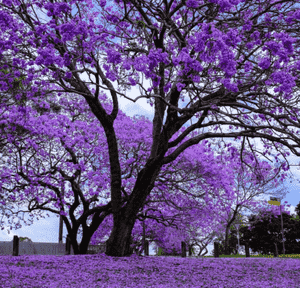
The blue jacaranda, recognized for its vivid violet flowers and fern-like leaves, greatly benefits from consistent trimming to improve its form and blossom production. Perform pruning in late winter or early spring, prior to the emergence of new shoots. Eliminate any deceased or frail branches, thin out the crown to facilitate light entry, and decrease its stature if required for managing its dimensions. Trimming after flowering can eliminate seed capsules, fostering superior blooms in the subsequent season. For young trees, prune to establish a robust framework, concentrating on a dominant central stem.
What Are the Benefits of Pruning Blue Jacaranda?
What Are the Benefits of Pruning Blue Jacaranda?
Trimming blue jacaranda encourages robust development and helps maintain its preferred shape, ensuring a tidy look in the landscape. Regular cutting promotes fuller foliage and can stimulate blooming.
What Is the Best Time for Pruning Blue Jacaranda?
What Is the Best Time for Pruning Blue Jacaranda?
Late winter and early spring are considered ideal for several reasons. During late winter, blue jacaranda is typically dormant, meaning the plant is not actively growing. Pruning at this time minimizes stress on blue jacaranda and reduces sap loss, which can attract pests and lead to disease. It also allows for better wound healing before new growth begins in spring. As blue jacaranda is a deciduous tree that flowers on new wood, pruning in early spring, just before the growth cycle starts, helps stimulate and shape the upcoming growth, ensures a more vibrant flowering display, and maintains the plant's health and structural integrity. These seasons avoid the flowering period, ensuring that pruning timing does not negatively impact blue jacaranda's bloom, which usually occurs in late spring to early summer.
What Tools Do I Need to Prune Blue Jacaranda?
Hand Pruners
Perfect for making clean cuts on smaller blue jacaranda branches up to 3/4 inch in diameter, ensuring rapid healing. Opt for bypass pruners for a precise cut.
Loppers
Suitable for cutting branches between 3/4 inch and 1.5 inches in diameter. They offer extended reach and leverage, useful for trimming blue jacaranda's higher or deeper branches without harming the plant.
Pruning Saw
Used for branches over 1.5 inches thick, a pruning saw can quickly cut through larger blue jacaranda limbs, allowing for accurate removal without tearing the bark.
Pole Pruner
For reaching blue jacaranda's higher branches without a ladder, a pole pruner provides an extendable handle to safely prune from the ground.
Hedge Shears
If shaping is needed for a formal appearance or if blue jacaranda is used as a hedge, hedge shears can evenly trim and shape the foliage.
Pruning Gloves
To protect hands from scratches and potential sap irritation while pruning blue jacaranda, which can have a dense canopy with fine branches.
How to Prune Blue Jacaranda
Step1: Assessment of Plant Health
Evaluate blue jacaranda before pruning to identify areas with dead wood, diseased branches, or weak limbs. The optimal time for pruning is late winter or early spring before new growth commences.
Step2: Tool Sterilization
Sanitize your pruning tools with a solution of 1 part bleach to 9 parts water to prevent disease transmission.
Step3: Dead Wood Removal
Identify dead wood by looking for branches lacking green, flexible growth or having dry, brittle bark. Cut dead wood back to healthy tissue, making cuts just above a branch collar without damaging it.
Step4: Diseased Branch Disposal
Remove diseased branches by cutting at least several inches into healthy wood beyond the disease symptoms. Dispose of the diseased material properly and do not compost it.
Step5: Pruning Weak Limbs
Prune weak limbs that cannot support the foliage's weight or grow at awkward angles threatening the plant's structure. Make diagonal cuts just above outward-facing buds to encourage proper new growth.
Step6: Minimal Shaping
Shape blue jacaranda minimally as it typically develops a pleasing natural form on its own. Focus pruning efforts on maintaining structural integrity rather than aesthetic shaping.
Step7: Canopy Thinning
Thin out the canopy to improve light penetration and air circulation. Remove some smaller branches in crowded areas but ensure not to remove more than one-third of blue jacaranda's canopy at any one time.
Step8: Post-Pruning Tool Cleaning
After pruning, clean your tools again to prevent the spread of any pathogens to other plants.
Step9: Post-Pruning Watering
Water blue jacaranda thoroughly after pruning to reduce plant stress and promote healthy recovery and growth.
Step10: Fertilization After Pruning
Applying a balanced, slow-release fertilizer after pruning can help blue jacaranda recover and provide nutrients for new growth. However, it’s important not to over-fertilize as this can lead to excessive leaf growth at the expense of flowers.
Post-Pruning Care for Blue Jacaranda
Post-Pruning Care for Blue Jacaranda
Immediately after pruning blue jacaranda, ensure clean cuts to prevent stress and infection. Maintain slight soil moisture without waterlogging. Provide dappled sunlight and protect from harsh conditions. Adjust humidity and temperature to mild levels. Apply balanced fertilizer to promote recovery, but avoid over-fertilization that could stress the roots. Observe blue jacaranda regularly for wilting, discoloration, or pests as signs of distress. If symptoms occur, adjust care and consult a horticulturist for potential treatments.
Common Pruning Mistakes with Blue Jacaranda
Over-Pruning Leading to Plant Stress
Pruning too severely, which can cause stress and poor growth, as blue jacaranda only requires light pruning.
Excessive Limb Removal Reducing Blooms
Removing too many limbs, which can result in fewer flowers as blue jacaranda blooms on old wood.
Incorrect Tip Cutting Lowering Flower Production
Cutting off the tips of young branches, potentially reducing flower production, since blue jacaranda can produce buds at the tips.
Spreading Disease with Unsterilized Tools
Pruning without sterilizing tools, which risks transmitting diseases to blue jacaranda.
Damaging Plant with Improper Cut Technique
Tearing or ripping branches instead of making clean cuts, which can damage blue jacaranda's bark and create open wounds susceptible to pests and diseases.
Common Pruning Tips for Blue Jacaranda
Precise Cuts with Clean, Sharp Tools
Use clean, sharp tools to make precise cuts on blue jacaranda, reducing the risk of damage and disease.
Thinning Dense Areas for Better Light and Air
Focus on thinning out dense areas to increase sunlight penetration and air circulation within blue jacaranda's canopy.
Remove Dead or Damaged Wood for Health
Prune away any dead, damaged, or diseased wood to maintain blue jacaranda's health and appearance.
Selective Pruning to Maintain Natural Form
Retain the natural form of blue jacaranda by selectively pruning branches and avoiding shearing or topping.
Promote Desired Growth with Strategic Pruning
Prune just above a lateral branch or bud to encourage blue jacaranda to grow in the desired direction.
Prevent Wounds by Addressing Crossing Branches
Address crossing or rubbing branches to prevent wounds and potential entry points for disease on blue jacaranda.



