How to Prune Black walnut?
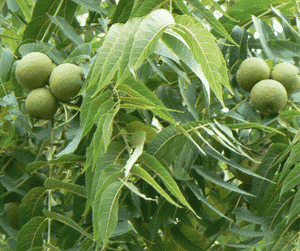
The black walnut, a majestic deciduous tree prized for its precious timber and fruit, flourishes with appropriate trimming. Essential methods involve excising deceased or ailing branches, reducing dense limbs to enhance light exposure and airflow, and sculpting for structural soundness. Perform pruning in late winter or early spring while the tree is dormant to lessen sap loss and stimulate robust development. For black walnut specifically, pruning aids in averting walnut blight and fosters abundant nut yield by refining the tree's framework.
What Are the Benefits of Pruning Black Walnut?
What Are the Benefits of Pruning Black Walnut?
Trimming black walnut promotes robust development and helps maintain its desired form. Strategic branch removal supports healthy growth and manages size for optimal space utilization.
What Is the Best Time for Pruning Black Walnut?
What Is the Best Time for Pruning Black Walnut?
During late winter and early spring, black walnut is dormant, which minimizes plant stress and the risk of sap bleeding, which can attract pests. Pruning before new spring growth allows wounds to heal quickly, ensuring plant vitality and reducing disease susceptibility. Since black walnut sets buds in the prior year for the next year's growth, late winter pruning ensures current year's growth buds aren't mistakenly removed, optimizing the plant's fruiting potential.
What Tools Do I Need to Prune Black Walnut?
Hand Pruners
For cutting small branches and suckers on black walnut, hand pruners are ideal. Choose bypass pruners over anvil types for clean cuts that encourage healthy regrowth.
Loppers
When trimming branches up to 1.5 inches in diameter on black walnut, loppers provide the necessary leverage. Bypass loppers are recommended for their precise cutting ability.
Pruning Saw
For larger branches exceeding lopper capacity, a pruning saw is essential. A curved blade model is effective for the hardwood of black walnut.
Pole Saw
When needing to reach higher branches on black walnut without a ladder, pole saws are useful. Opt for one with a detachable saw for versatility.
How to Prune Black Walnut
Step1: Inspect for disease and deadwood
Examine black walnut for any signs of diseased limbs, dead wood, suckers, and water sprouts. The optimal time to prune is during late winter or early spring while the tree is dormant.
Step2: Sterilize pruning tools
Sanitize your pruning tools with isopropyl alcohol or a 10% bleach solution to prevent disease transmission.
Step3: Trim diseased limbs
Start by trimming any diseased limbs. Cut these branches back to healthy wood, ensuring cuts are just outside the branch collar at a 45 to 60 degree angle to the branch to promote proper healing.
Step4: Remove dead wood
Eliminate dead wood, identifiable by a lack of flexible live tissue and absence of buds. Make cuts just outside the branch collar, being careful not to damage the collar itself, to allow for proper wound closure.
Step5: Cut off suckers
Remove suckers, which are vigorous vertical shoots growing from the base or roots of black walnut. Cut these as close to the ground as possible without harming the primary trunk or root system.
Step6: Prune water sprouts
Trim away water sprouts, which are thin shoots typically growing at an unusual angle from a larger branch. These can be pruned back to their point of origin.
Step7: Canopy thinning for light and air
Shape black walnut by selectively removing branches to reduce canopy density, which improves light penetration and air circulation. When shortening branches, use thinning cuts, made at a node to a lateral branch that is at least one-third the diameter of the removed branch.
Step8: Dispose of pruned material
After pruning, discard the removed limbs and branches immediately to prevent the spread of any potential diseases or pests.
Step9: Avoid tree topping
Refrain from topping or excessive pruning of black walnut as it can cause stress and stimulate rampant, weakly attached regrowth.
Step10: Monitor tree health post-pruning
Observe the tree for signs of disease or poor healing following pruning, and provide adequate water and nutrients to support recovery.
Post-Pruning Care for Black Walnut
Post-Pruning Care for Black Walnut
Immediately after pruning black walnut, clean cuts should be left to heal naturally without dressings. Ensure black walnut receives adequate sunlight; however, offer shade if temperatures are exceptionally high to prevent stress. Maintain stable humidity and avoid extreme temperature fluctuations. Post-pruning, apply a balanced fertilizer to support recovery and boost growth, but avoid over-fertilization. Regularly inspect black walnut for signs of stress, such as wilting or discoloration, and for infection indicators like oozing or abnormal growths. Upon detection, promptly address with appropriate fungicidal or insecticidal treatments.
Common Pruning Mistakes with Black Walnut
Over-pruning stress and disease susceptibility
Pruning too aggressively which can stress black walnut, leading to poor growth or vulnerability to disease and pests.
Improper cuts damaging plant healing and health
Making improper cuts or ripping the bark, which can harm black walnut's healing process and invite pathogens.
Over-trimming old growth reduces fruiting
Removing too much older growth which is crucial for black walnut as it may contain established fruiting structures, essential for nut production.
Spreading disease with unsterilized pruning tools
Pruning without cleaning or sterilizing tools, which can spread diseases to black walnut.
Ignoring natural shape causes imbalance
Ignoring the tree's natural shape, which may lead to imbalance and structural weakness in black walnut.
Heavy pruning on weak trees can harm
Not considering the tree's health before starting to prune, as weak or diseased black walnut may not withstand heavy pruning.
Common Pruning Tips for Black Walnut
Use sharp tools for precise, healthy cuts
Use clean, sharp tools to make precise cuts on black walnut, bringing about healthier regrowth and less likelihood of disease.
Remove dead, damaged branches to improve health
Focus on removing dead, diseased, or damaged branches to improve black walnut's overall health and appearance.
Prune for natural shape and strong structure
Prune to maintain the natural shape of black walnut, promoting a strong structure and reducing the need for future corrective pruning.
Correct angle cuts encourage proper healing
Cut branches at the right angle, just outside the branch collar on black walnut, to facilitate proper healing.
Thinning canopy aids light and air penetration
Thin out the canopy selectively to allow light and air penetration which can improve black walnut's vitality and nut production.
Adapt pruning to plant's growth response
Be mindful of black walnut's response to previous pruning sessions to better understand its growth patterns and adapt future pruning accordingly.
Gradual pruning prevents shock and aids recovery
Gradually prune overgrown black walnut over several seasons rather than all at once to avoid shock and ensure a better recovery.



