How to Prune Sheep laurel?
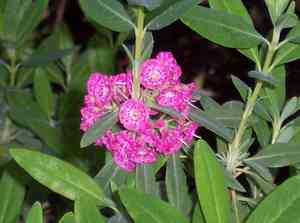
This perennial bush, known for its lustrous foliage and vivid pink blossoms, flourishes in acidic ground. The most effective trimming for sheep laurel entails excising dead or ailing branches and sculpting to preserve an appealing shape. Perform pruning right after the blooming period in late spring or early summer to avoid severing the buds for the subsequent year. Pruning stimulates denser growth and revitalizes mature shrubs. Particular attention should be paid to preventing over-cutting, which could result in diminished flowering.
Advantages of Trimming Sheep Laurel
Advantages of Trimming Sheep Laurel
Trimming sheep laurel encourages blooming, improves plant vitality by eliminating diseased or pest-ridden material, fostering a more robust growth pattern and an attractive form.
Optimal Period for Trimming Sheep Laurel
Optimal Period for Trimming Sheep Laurel
The best times for pruning sheep laurel are late spring and early summer. These periods are considered ideal for trimming as they coincide with the plant's post-flowering phase. Pruning in late spring allows for the removal of faded blossoms immediately after sheep laurel has finished its flowering cycle, which typically occurs from late spring to early summer. This timing prevents cutting off flower buds, ensuring the plant's display is not diminished for the upcoming season. By pruning in early summer, gardeners can shape the plant and manage its size while minimizing the risk of frost damage to new growth, which can happen if pruned too soon. Additionally, pruning during this interval enables the plant to recover and produce new growth under favorable weather conditions, promoting vigorous development and better overall plant health.
Required Tools for Pruning Sheep Laurel
Hand Pruners
Perfect for making precise cuts on sheep laurel's smaller branches, ensuring minimal harm to the plant.
Loppers
Suitable for reaching into dense foliage and cutting thicker stems that hand pruners cannot manage.
Pruning Saw
Essential for removing any mature, overgrown stems or branches that are too thick for loppers.
Garden Gloves
Offer protection when handling sheep laurel, which may have sharp edges on branches or leaves.
Pruning Sealer
Applied after cutting larger branches to seal the wounds of sheep laurel and prevent disease entry.
How to Prune Sheep Laurel
Clean
Sanitize your pruning tools with isopropyl alcohol or a bleach solution to prevent the spread of disease when pruning sheep laurel.
Remove
Carefully remove any diseased or withered leaves from sheep laurel by pulling them off gently with your fingers or snipping with pruning shears, ensuring not to damage the plant's stems.
Cut Back
Trim dead branches and diseased branches back to healthy wood, making cuts at a 45-degree angle just above an outward-facing bud to promote outward growth of sheep laurel.
Tidy
Snip off withered flowers from sheep laurel to improve plant appearance and encourage new growth, using shears or secateurs for clean cuts without tearing.
Thin
Prune away excessive growth branches to maintain the natural shape of sheep laurel, thinning out the plant to allow air and light to penetrate, which can help prevent disease.
Common Pruning Errors with Sheep Laurel
Over-Pruning
Removing too much foliage at once can stress sheep laurel, hindering its growth and flowering.
Improper Cuts
Making jagged or torn cuts can damage sheep laurel's stems, leading to disease and pest infestations.
Pruning Healthy Wood
Unnecessarily cutting into healthy, non-dead wood can reduce the number of flowers and disrupt the natural shape.
Ignoring Dead Or Diseased Wood
Failing to remove dead or diseased branches, which can impede sheep laurel's overall health and aesthetic.
Not Sanitizing Tools
Using dirty pruning tools can spread diseases between plants, negatively impacting sheep laurel's health.
General Pruning Advice for Sheep Laurel
Selective Thinning
Remove only the weakest stems to improve air circulation and light penetration, which encourages sheep laurel's vigor and bloom.
Sharp Tools
Use sharp, clean pruning shears to make clean cuts that sheep laurel can heal from more effectively.
Pruning For Shape
Prune sheep laurel to maintain its natural compact and rounded shape while allowing for healthy new growth.
Deadheading
Remove spent flowers just below the flower head to promote more blooms and a tidier appearance.
Health Check
Regularly check for and remove any dead or diseased wood to maintain the health and appearance of sheep laurel.



