How to Prune Spotted Dead Nettles?
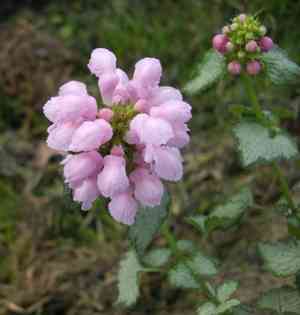
A persistent groundcover, Lamium maculatum flourishes in more shaded garden environments, distinguished by its silver-flecked foliage. Trim from early spring until late summer to foster denser development and sustain vitality. Remove faded blossoms to stimulate additional flowering and eliminate any discolored or deceased leaves. Trimming can also be performed to sculpt plants or manage their expansion, particularly in closely planted sections. This action not only improves their look but also boosts air movement, diminishing the likelihood of illness.
What Are the Benefits of Pruning Spotted Dead Nettles?
What Are the Benefits of Pruning Spotted Dead Nettles?
Trimming spotted Dead Nettles promotes robust development and helps maintain its desired shape. Consistent cutting leads to a fuller, denser leaf mass, boosting the plant's decorative appeal and preventing excessive growth.
What Is the Best Time for Pruning Spotted Dead Nettles?
What Is the Best Time for Pruning Spotted Dead Nettles?
Pruning in early spring is advantageous as it aids in removing any winter damage before new growth emerges. This timing aligns with the plant's recovery and active growth phase, allowing spotted Dead Nettles to quickly mend from pruning and encouraging vigorous development. In late summer, once the primary flowering has diminished, trimming spotted Dead Nettles can assist in preserving its form and size, as well as fostering a secondary burst of growth and potentially more blossoms. It also serves as a preventative measure against potential disease spread that might occur in the damp, cooler autumn weather. Pruning during these seasons ensures the plant's energy is directed towards healthy new growth, rather than sustaining old or damaged foliage and stems.
What Tools Do I Need to Prune Spotted Dead Nettles?
Hand Pruners
Perfect for precise trimming of spotted Dead Nettles, hand pruners can delicately shape the plant and remove any dead or damaged foliage without causing excessive harm to its structure.
Pruning Shears
Spotted Dead Nettles can spread widely and require regular shaping to maintain an attractive appearance. Pruning shears are effective for cutting stems and can handle the soft texture of spotted Dead Nettles's foliage.
Gloves
Although spotted Dead Nettles lacks thorns, gloves are recommended to shield the gardener's hands from potential irritants or from prolonged contact with moist soil during pruning sessions.
Garden Scissors
For finer control and trimming of smaller or harder-to-reach areas within spotted Dead Nettles, garden scissors offer the necessary precision.
Leaf Rake
After trimming spotted Dead Nettles, a leaf rake can be utilized to collect and remove any fallen foliage from the garden bed, keeping the area neat.
How to Prune Spotted Dead Nettles
Step1: Assess Plant Health and Structure
Evaluate the overall health and structure of spotted Dead Nettles before commencing pruning. Look for any indications of damage, disease, or deadheads (spent flowers) that require removal.
Step2: Deadhead Spent Flowers
Using clean, sharp pruning shears, begin by removing deadheads. Carefully snip off the spent flower heads at their base, just above the first set of healthy leaves. Deadheading encourages spotted Dead Nettles to produce more blooms and maintain a tidy appearance.
Step3: Remove Dead Foliage
Remove withered or dead foliage by cutting back to a set of leaves or a lateral shoot that shows signs of new growth. This will help stimulate healthy new foliage and improve air circulation within the plant.
Step4: Shape Plant Form
Shape spotted Dead Nettles by selectively pruning to maintain its natural mound-like form. Trim any straggly stems or outliers that disrupt the shape, cutting back to a junction where new growth can sprout.
Step5: Thin Overcrowded Center
Thin out the center of spotted Dead Nettles if it appears overcrowded, which can lead to poor air circulation and potential fungal issues. Remove some of the inner growth by cutting at the base or to an outward-facing shoot.
Step6: Cleanup Trimmings Post-Pruning
After pruning, clear all trimmings from the soil surface to prevent any potential disease spread. Dispose of any diseased materials separately from your compost to avoid contaminating it.
Step7: Fertilize After Pruning
Water spotted Dead Nettles and apply a balanced fertilizer to support recovery and new growth after pruning. Follow the manufacturer's instructions for application rates.
Step8: Monitor for New Growth
Regularly monitor spotted Dead Nettles after pruning for signs of new growth and potential issues. Pruning typically encourages revitalization, so look for healthy leaves and potential buds forming.
Step9: Practice Gentle Pruning
Note that spotted Dead Nettles is a relatively low-maintenance plant, and pruning should be a gentle process, focused more on health and aesthetic rather than heavy cutting. Prune in the spring or after the blooming period for the best results.
Post-Pruning Care for Spotted Dead Nettles
Post-Pruning Care for Spotted Dead Nettles
After pruning spotted Dead Nettles, promptly water the plant to alleviate stress and encourage new growth. Maintain moderate moisture without waterlogging. Position spotted Dead Nettles in bright, indirect light, avoiding direct sun. Ensure a temperature range of 60-75°F and moderate humidity. Apply a balanced, slow-release fertilizer to replenish nutrients. Regularly inspect spotted Dead Nettles for wilting, discoloration, or pest presence. If signs of distress are noted, adjust care accordingly and consider an appropriate organic pesticide or fungicide.
Common Pruning Mistakes with Spotted Dead Nettles
Excessive Pruning Can Harm Plants
Over-pruning is a common error where gardeners cut back spotted Dead Nettles too severely, potentially damaging the plant or stunting its development.
Neglecting Diseased Stems Spreads Plant Illness
Ignoring diseased or damaged stems during pruning can lead to the spread of illness and affect the overall health of spotted Dead Nettles.
Jagged Cuts from Dull Tools May Cause Disease
Utilizing dull or dirty pruning tools can create jagged cuts that are more susceptible to disease and may impede the healing process of spotted Dead Nettles.
Common Pruning Tips for Spotted Dead Nettles
Sharp Shears Ensure Clean Cuts and Healthy Plants
Use sharp, clean pruning shears to make precise cuts, which promotes better healing and reduces the risk of disease transmission to spotted Dead Nettles.
Pruning Dead Leaves Stimulates Plant Growth
Remove only the dead or yellowing leaves and stems to maintain the aesthetic appeal and health of spotted Dead Nettles, which can also stimulate growth.
Cut Flowered Stems for More Blooms and Tidiness
Prune away the flowered stems after blooming to encourage a second flush of flowers and to keep spotted Dead Nettles looking tidy and vibrant.



