How to Prune European larch?
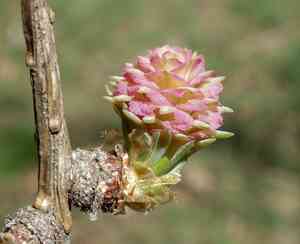
This evergreen, recognized for its slender foliage and pyramidal structure, thrives with limited trimming to preserve its form and vitality. For european larch, conduct pruning in late winter to early spring prior to the emergence of new shoots. Eliminate any deceased, fractured, or ailing branches. Strategic thinning cuts can also enhance air circulation and light exposure. Refrain from extensive pruning, as this can harm european larch. Timely seasonal trimming aids in upholding its inherent shape and can avert prevalent problems such as illness.
What Are the Benefits of Pruning European Larch?
What Are the Benefits of Pruning European Larch?
Trimming european larch promotes robust development and maintains its desired shape. Regular removal of dead or crowded branches ensures healthy growth and visual appeal.
What Is the Best Time for Pruning European Larch?
What Is the Best Time for Pruning European Larch?
Pruning european larch in late winter or early spring, while the tree is still inactive, reduces stress and allows cuts to heal quickly as new growth begins. Additionally, during this period, the absence of leaves provides a clearer view of the tree's structure, enabling more precise trimming. Pruning too late can interfere with growth and sap flow, potentially harming the tree's vitality. These seasons avoid the critical phases of flowering and fruiting, ensuring that european larch's natural life cycle is respected and that it has the strength to recover and grow robustly after pruning.
What Tools Do I Need to Prune European Larch?
Hand Pruners
Perfect for cutting smaller branches and twigs on european larch, hand pruners offer precision and control. Bypass pruners, which make clean cuts essential for european larch's health, are the preferred type.
Lopping Shears
Suitable for branches too thick for hand pruners. The long handles of lopping shears provide leverage to cut through thicker growth without harming european larch.
Pruning Saw
Required for larger branches that cannot be managed with hand pruners or lopping shears. A fine-toothed pruning saw is recommended for european larch to ensure smooth cuts that encourage healthy healing.
Pole Pruner
When dealing with european larch's upper branches, a pole pruner allows reaching higher without a ladder, reducing safety risks involved in pruning european larch.
Garden Shears (Hedge Clippers)
For shaping hedges made of european larch, garden shears can provide a uniform finish. However, caution is advised as european larch may not always tolerate heavy shearing.
Pruning Gloves
To protect hands from sap and ensure a secure grip on tools while pruning european larch.
Safety Glasses
Crucial for shielding eyes from debris when pruning european larch.
How to Prune European Larch
Step1: Health Assessment for Pruning
Evaluate the overall health and structure of european larch before pruning. Specifically look for parts to trim such as dead, diseased, or broken branches. It's best to do this assessment during dormancy in late winter or early spring.
Step2: Pruning Equipment Preparation
Ensure you have the correct tools for the job, such as clean, sharp secateurs, loppers, or a pruning saw. Sanitize the tools to prevent disease spread.
Step3: Dead Branch Identification and Removal
Identify dead branches by their lack of living buds, dry and brittle appearance, or inflexibility. Cut dead branches back to live wood just above a living bud or branch, making the cut at a slight angle away from the bud.
Step4: Diseased Branch Identification and Pruning
Locate diseased branches, which may show abnormalities like discoloration, cankers, or signs of pest infestation. Prune these branches well below the affected area to stop disease from spreading.
Step5: Broken Branch Removal
Remove broken branches by cutting them back to their point of origin or to a strong lateral branch. Make smooth cuts that are flush with the larger limb but do not cut into the branch collar.
Step6: Three-Cut Method for Large Branches
For larger branches, use the three-cut method to prevent bark tearing: First, make an undercut a few inches from the trunk. Second, cut through the branch from the top, about an inch further out from the undercut. Finally, remove the stub by cutting just outside the branch collar.
Step7: Thinning for Airflow and Light
After removing the specified parts, inspect and clear out any additional weak or overcrowded branches to maintain good air circulation and light penetration, which are beneficial for european larch's health.
Step8: Pruning Intensity and Plant Shape
To maintain european larch's natural shape, be careful not to over-prune. Typically, removing no more than 25% of the foliage crown in a single season is recommended.
Step9: Post-Pruning Tool Maintenance
After pruning, clean your tools again to prevent disease transmission. Properly dispose of all removed material by burning, chipping, or as advised in your local area.
Step10: Post-Pruning Plant Monitoring
Finally, observe european larch after pruning for signs of recovery or further issues that might need attention and adjust future pruning practices based on the outcomes.
Post-Pruning Care for European Larch
Post-Pruning Care for European Larch
After pruning european larch, immediately ensure clean cuts to prevent infection. Optimize environmental conditions by providing partial sun, maintaining moderate humidity, and ensuring temperatures that mimic european larch's natural habitat. Adjust watering to compensate for reduced foliage, and wait to fertilize until new growth appears, signaling recovery. Routinely inspect the pruning sites for unusual discoloration or ooze, which can indicate stress or disease. If symptoms arise, promptly apply a suitable fungicide or insecticide as preventive care.
Common Pruning Mistakes with European Larch
Over-pruning in one session
Cutting too much off european larch in a single pruning session, which can stress the tree and lead to poor growth or disease susceptibility.
Using dull or dirty tools
Using dull or dirty pruning tools, which can result in jagged cuts that are more prone to infection.
Pruning without clear goals
Pruning without a clear objective, such as to remove dead wood or to shape the tree, which can lead to unnecessary cuts and damage to european larch.
Tearing branches during cuts
Tearing or ripping branches instead of making clean cuts, which can damage the bark and the long-term health of european larch.
Neglecting regular pruning
Neglecting to prune at all, which can result in european larch becoming dense and more prone to fungal diseases and pests.
Common Pruning Tips for European Larch
Use sharp, clean tools
Use sharp, clean pruning tools to make precise cuts that will heal quickly, minimizing the risk of disease for european larch.
Prune above buds for shape
Make cuts just above a bud or branch that is facing the direction you want new growth to follow, to encourage a desirable shape for european larch.
Remove dead or damaged wood
Prune out any dead, diseased, or damaged branches to promote the overall health and aesthetics of european larch.
Follow natural tree form
Follow the natural form of european larch when pruning, and avoid excessive thinning to ensure the tree maintains a balanced structure.
Three-cut technique for large branches
When removing larger branches, use the three-cut technique to prevent bark tearing: one undercut and two top cuts, the final cut just beyond the branch collar for proper healing.



