How to Prune Texas ranger?
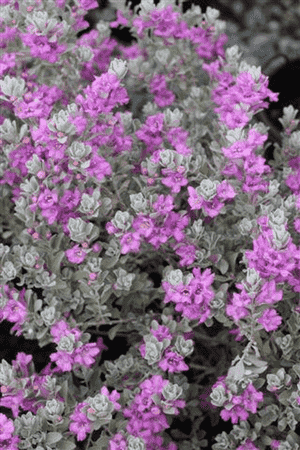
Recognizable by its silvery leaves and violet blossoms, texas ranger flourishes with judicious trimming. To achieve a dense form, lightly shear following flowering periods. Aggressive cutting in late winter or early spring stimulates more robust development. Refrain from excessive pruning to retain its inherent structure and encourage blooming. Well-timed cuts enhance the plant's well-being by fostering air movement and diminishing the likelihood of ailments.
What Are the Benefits of Pruning Texas Ranger?
What Are the Benefits of Pruning Texas Ranger?
Trimming texas ranger promotes abundant blooms and boosts resistance to diseases and pests, resulting in a strong, attractive shrub. Strategic cuts encourage new growth, leading to a profusion of flowers and a resilient, healthy plant.
What Is the Best Time for Pruning Texas Ranger?
What Is the Best Time for Pruning Texas Ranger?
These periods are considered ideal for pruning because in early spring, the plant is entering a growth phase where trimming can stimulate new development and help shape it before it expends energy on foliage. Winter pruning is effective as texas ranger is dormant, minimizing plant stress and reducing disease transmission risk through cuts. Pruning during dormancy also prepares the plant for vigorous growth when warmer temperatures arrive. Avoid pruning in late spring or summer, as texas ranger typically flowers then, and pruning would remove flower buds, reducing its blooming potential.
What Tools Do I Need to Prune Texas Ranger?
Hand Pruners
Perfect for trimming slender stems and small branches on texas ranger, ensuring precise cuts that foster healthy development.
Lopping Shears
Useful for cutting through thicker branches that hand pruners cannot manage, enabling more substantial pruning tasks.
Pruning Saw
Essential for removing larger branches from mature texas ranger specimens, providing a clean cut without harming the plant's structure.
Hedge Shears
Suitable for shaping texas ranger plants into hedges or formal designs, facilitating uniform and aesthetically pleasing growth patterns.
Gloves
Protection for the gardener's hands from thorns and sharp edges during the pruning of texas ranger.
Pruning Sealer
Helps safeguard cut areas on texas ranger from diseases and pests, promoting rapid healing of the pruned surfaces.
How to Prune Texas Ranger
Step1: Inspect Plant for Pruning
Examine texas ranger thoroughly to identify all dead wood, diseased branches, and old flowers that need pruning. This step is vital for determining the plant's health and requirements and should be done carefully to avoid overlooking any areas needing attention.
Step2: Sterilize Pruning Tools
Sanitize your pruning tools before starting. This step ensures you don't accidentally spread disease between plants. Use a solution of one part bleach to nine parts water to sterilize the blades of your shears or pruners. Rinse the tools with clean water and dry them before use.
Step3: Prune Dead Wood
Remove dead wood by making clean cuts at a slight angle about 1/4 inch above a bud or branch that faces the desired direction of new growth. This encourages healthy new growth and prevents water accumulation on the cut surface, which could lead to rot.
Step4: Remove Diseased Branches
Cut back diseased branches to healthy tissue. It's important to prune several inches below the affected section to ensure all diseased material is removed. Dispose of diseased branches properly to prevent disease spread.
Step5: Deadhead Old Flowers
Trim off old flowers just below the flower head to neaten texas ranger and encourage more blooms. This process, known as deadheading, can stimulate new growth and additional flowering if done regularly during the blooming season.
Step6: Selective Pruning for Shape
Shape texas ranger using selective pruning rather than shearing. Make cuts to individual branches to maintain a natural form, rather than uniformly cutting back the entire plant. This preserves the health and structure of texas ranger and encourages fuller, more natural growth.
Step7: Clean Up Pruning Debris
Clear away all cuttings and debris from around texas ranger to maintain a tidy appearance and reduce disease risk. Decomposing plant material can harbor pests and diseases, so keeping the area around your plants clean is important.
Step8: Water Plant Post-Pruning
Finally, water texas ranger deeply after pruning to help it recover from the stress of being trimmed. This also settles the soil around the roots and ensures that texas ranger receives adequate moisture to support new growth.
Post-Pruning Care for Texas Ranger
Post-Pruning Care for Texas Ranger
Immediately after pruning texas ranger, water thoroughly to aid recovery. Provide partial sun, avoiding intense midday rays, and maintain moderate humidity. A light application of balanced fertilizer supports growth, while over-fertilization should be avoided to prevent stressing the plant. Monitor texas ranger for wilting, discoloration, or infection, indicating stress or disease. If symptoms occur, adjust care and consult a horticultural expert. Consistent observation ensures texas ranger returns to robust health.
Common Pruning Mistakes with Texas Ranger
Avoid Over-pruning and Excessive Cutting Back
Over-pruning can lead to sparse foliage and reduced flowering. It's important to avoid cutting back more than one-third of the overall texas ranger at a time.
Use Sharp, Clean Pruning Tools
Using dull or dirty pruning tools can damage branches and leave texas ranger vulnerable to disease. Always use sharp, clean shears or clippers.
Do Not Prune Into Old Wood
Pruning into old wood where new growth is less likely to occur. This can result in bare patches on texas ranger, as it tends to regenerate from newer growth.
Common Pruning Tips for Texas Ranger
Assess Plant Shape Before Pruning
Evaluate texas ranger's overall shape before pruning to decide where to cut for maintaining a natural form. Avoid cutting into the uniform shape unless a formal hedge is desired.
Prune Above Leaf Node at an Angle
Make clean cuts at a slight angle, just above a leaf node or bud that faces the outside of texas ranger. This encourages new growth to spread outward rather than inward.
Remove Dead or Damaged Branches Regularly
Regularly remove any dead or damaged branches to promote the health and aesthetic appeal of texas ranger. Such maintenance pruning can be done at any time of year.



