How to Prune Coastal doghobble?
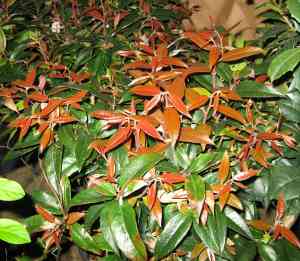
This perennial bush, known for its gracefully arching limbs and white, bell-shaped blossoms, flourishes in dappled sunlight and damp ground. Effective coastal doghobble pruning entails reducing crowded sections and eliminating any compromised or ailing branches to preserve its inherent structure. The ideal period for pruning is from late spring to early summer, once the blooming cycle concludes. Pruning during this window encourages robust development and sustains an appealing silhouette. Refrain from severe cutting to prevent the reduction of the subsequent year's flowers.
What Are the Benefits of Pruning Coastal Doghobble?
What Are the Benefits of Pruning Coastal Doghobble?
Trimming coastal doghobble promotes abundant blooms and strengthens its resistance to pests and diseases, resulting in a more robust and visually appealing shrub.
What Is the Best Time for Pruning Coastal Doghobble?
What Is the Best Time for Pruning Coastal Doghobble?
These periods are optimal for trimming coastal doghobble as they occur after its primary blooming phase, typically from late winter to early spring. Post-flowering pruning allows for shaping coastal doghobble without sacrificing the current year's blossoms. Late spring pruning ensures the removal of any winter frost damage, fostering healthier development. Early summer pruning is advantageous, enabling coastal doghobble to recuperate and channel energy into new growth before the slower period of late summer and fall. Furthermore, pruning during this timeframe minimizes disease and pest risks, as cuts heal faster in warmer weather. This timing aligns with coastal doghobble's natural growth cycle, maintaining plant vigor and an attractive form.
What Tools Do I Need to Prune Coastal Doghobble?
Bypass Pruners
Perfect for making clean, precise cuts on live wood of coastal doghobble, minimizing tissue damage and promoting quicker healing.
Hand Saws
Useful for severing thicker branches of coastal doghobble that bypass pruners cannot manage, ensuring a smooth cut without tearing the bark.
Loppers
Offer increased leverage and reach for removing larger stems and branches of coastal doghobble beyond hand pruner access, with minimal effort.
How to Prune Coastal Doghobble
Step1: Assess plant for pruning areas
Examine coastal doghobble to identify areas requiring trimming. Look for dead wood, overgrown shoots, and diseased sections, as these will be the primary focus of your pruning efforts.
Step2: Arrange pruning tools
Gather the necessary equipment for trimming coastal doghobble. This includes sharp bypass pruners, protective gloves, and disinfectant for tools to prevent disease transmission.
Step3: Remove dead branches
Start by eliminating dead wood. Identify dead branches by their brittle texture and absence of green growth. Cut these branches where they meet healthy wood, making clean, slightly angled cuts away from the live stem.
Step4: Trim overgrown shoots
Prune overgrown shoots to maintain coastal doghobble's natural form. Target shoots that disrupt the plant's shape, cutting them back just above a leaf node or to their point of origin. Leave healthy outer foliage untouched to encourage dense growth.
Step5: Excise diseased parts
Promptly remove any diseased sections to preserve coastal doghobble's health. Make cuts well into healthy tissue, at least several inches below the affected area, and properly dispose of infected material to prevent disease spread.
Step6: Thinning for air circulation
If thinning is needed on coastal doghobble for improved air circulation or shaping, selectively remove some overgrown branches entirely. Cut them back to their base, being careful not to over-prune, as this can stress the plant.
Step7: Sanitize cutting tools
After pruning, clean all cutting tools with disinfectant to prevent transmitting pests or diseases to other plants. Proper hygiene helps maintain the overall health of your garden.
Step8: Dispose of pruning waste
Properly dispose of all removed plant material from coastal doghobble. Compost healthy clippings and discard diseased material with household waste to avoid infecting other plants.
Step9: Water plant post-pruning
Water coastal doghobble sufficiently after pruning to aid its recovery from the stress of trimming. Ensure water reaches the root zone for proper absorption.
Step10: Monitor plant for regrowth
Observe coastal doghobble for new growth and signs of improved health. Further pruning may be necessary as the plant continues to develop, but always aim for minimal intervention to allow coastal doghobble to flourish naturally.
Post-Pruning Care for Coastal Doghobble
Post-Pruning Care for Coastal Doghobble
Immediately after trimming coastal doghobble, maintain moderate soil moisture, avoiding waterlogged conditions. Place coastal doghobble in filtered light, protecting it from intense sun to reduce stress. Ensure a stable temperature range, preventing extreme fluctuations. Following pruning, apply a balanced, slow-release fertilizer to nourish coastal doghobble. Regularly check for wilting, discoloration, or signs of infection. If any appear, adjust care and consult a professional if needed to promptly address potential diseases or pests.
Common Pruning Mistakes with Coastal Doghobble
Avoid Excessive Pruning Beyond One-Third
Over-trimming can lead to stress and diminish the vigor of coastal doghobble. Removing more than one-third of the plant's growth can jeopardize its health.
Proper Cut Placement to Prevent Pests and Disease
Making cuts too close to the main stem or leaving long stubs can create entry points for pests and diseases to infiltrate coastal doghobble.
Sterilize Tools to Avoid Disease Transmission
Failing to sterilize pruning tools before use can spread diseases between plants and potentially infect healthy parts of coastal doghobble.
Respect Plant's Natural Shape and Growth Habit
Pruning without understanding the natural form and growth pattern of coastal doghobble may result in a loss of its inherent shape and impact its aesthetic appeal.
Remove Dead or Damaged Branches Promptly
Neglecting to remove dead, diseased, or damaged branches can impede coastal doghobble's growth and expose the plant to further harm.
Common Pruning Tips for Coastal Doghobble
Disinfect Tools to Protect Plant Health
Sanitize your pruning tools before use to prevent the spread of disease to coastal doghobble. Use a solution of one part bleach to nine parts water, or rubbing alcohol for this purpose.
Selective Pruning for Lush Foliage and Shape
To encourage dense foliage and maintain the natural shape of coastal doghobble, make selective cuts to remove only dead, diseased, or damaged branches, and any that are crossing or rubbing against each other.
45-Degree Angle Cuts for Outward Growth
Prune with care, making cuts at a 45-degree angle about a quarter-inch above a bud that faces the outside of the plant. This encourages growth outward and improves air circulation.
Prune Following Plant's Natural Form
Follow coastal doghobble's natural arching form when pruning. Trim back any branches that disrupt the plant's symmetry or dense, uniform appearance without over-thinning interior foliage.
Post-Pruning Care: Mulch and Water
After pruning, provide coastal doghobble with appropriate care such as mulching and adequate watering to help the plant recover and thrive.



