How to Prune Mammoth wild rye?
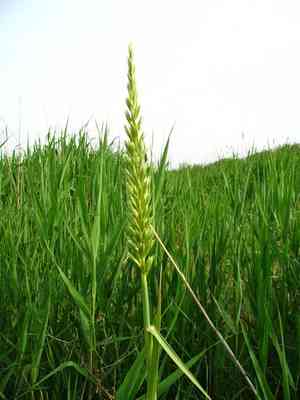
This sturdy grass, known for its lofty, graceful structure and resilient development, thrives best with trimming during two periods – early spring and winter. For mammoth wild rye, cutting away deceased leaves in early spring revitalizes growth by enabling energy to concentrate on fresh sprouts. Winter trimming entails reducing the plant to aid in averting harm from snow and preserving neatness. These methods not only boost its visual attractiveness but also fortify the general well-being and strength of mammoth wild rye.
What Are the Benefits of Pruning Mammoth Wild Rye?
What Are the Benefits of Pruning Mammoth Wild Rye?
Trimming mammoth wild rye can encourage robust new development and assist in maintaining its desired form. Regularly cutting back older stalks ensures a strong, visually appealing structure and may improve overall plant vitality.
What Is the Best Time for Pruning Mammoth Wild Rye?
What Is the Best Time for Pruning Mammoth Wild Rye?
Pruning mammoth wild rye in early spring is ideal as it prepares the plant for new growth by removing old or dead foliage before the growth cycle begins. This timing enhances the health and vigor of mammoth wild rye by focusing the plant's energy on new, healthy growth. Winter pruning is also beneficial as it allows gardeners to shape mammoth wild rye during its dormancy without risking damage to new shoots or active growth. Additionally, pruning during dormancy helps prevent disease entry and stress on mammoth wild rye, allowing for a robust start in the spring.
What Tools Do I Need to Prune Mammoth Wild Rye?
Bypass Pruners
Perfect for making neat and precise cuts on mammoth wild rye's stems. They operate like scissors, with two blades passing each other. This tool is essential for selectively removing any dead or damaged leaves and stems without harming the rest of the plant.
Handheld Shears
Useful for shaping and managing the overall appearance of mammoth wild rye. They allow for quick trimming of leaves and thin branches, ensuring the plant maintains a tidy look.
Loppers
Recommended for cutting thicker stems or branches of mammoth wild rye that bypass pruners cannot handle. The long handles provide leverage, making it easier to prune harder, woodier parts with minimal effort.
How to Prune Mammoth Wild Rye
Identify
Examine mammoth wild rye closely to pinpoint diseased and withered leaves. Indications of illness might include spots, discoloration, or mildew. Withered leaves are typically dry and brown.
Sanitize
Before beginning the pruning process, disinfect all pruning tools. Use a solution of one part bleach to nine parts water or isopropyl alcohol to prevent the spread of any potential plant pathogens.
Prune
Using sharp, clean pruning shears, carefully trim off the diseased and withered leaves at their base, close to the stem. Ensure cuts are clean and not jagged to promote faster healing.
Disposal
Properly dispose of the removed leaves. Do not compost diseased foliage as it can spread pathogens. Use sealed bags to dispose of the waste to minimize contamination risk.
Maintenance
Monitor mammoth wild rye regularly for further signs of distress or disease. Regular pruning of unhealthy foliage helps in promoting air circulation and reducing disease spread.
Common Pruning Mistakes with Mammoth Wild Rye
Overpruning
A frequent error is removing too much foliage from mammoth wild rye, which can weaken the plant. Novice gardeners often make the mistake of cutting back more than one-third of the plantâs growth, risking its health and vigor.
Incorrect cut sites
Cutting mammoth wild rye too close to the crown or base can expose the plant to diseases and pests. It's crucial to make cuts at a healthy section of the stem, avoiding the very base to promote proper healing and regrowth.
Pruning during active growth
Trimming mammoth wild rye while it is actively growing can result in undue stress and stunted development. Key is timing the pruning right to avoid interrupting its growth cycle.
Uneven pruning
An uneven pruning can lead to imbalanced growth and an aesthetically displeasing form. Ensuring even cuts helps maintain the natural shape and effectiveness of mammoth wild rye's growth structure.
Common Pruning Tips for Mammoth Wild Rye
Use sharp tools
Always utilize sharp, clean pruning shears or scissors. This ensures clean cuts that heal quickly, preventing damage and disease on mammoth wild rye.
Focus on dead or weak stems
Focus initially on removing dead, damaged, or weak stems, which helps improve air circulation and directs the plantâs energy towards healthier growth.
Maintain natural shape
Aim to maintain the natural shape of mammoth wild rye when pruning. This not only enhances the plant's aesthetic but also supports its natural growth patterns and health.
Prune to encourage flowering
While the best season to prune for flowering isnât the focus here, keeping mammoth wild rye well-pruned generally aids in better air and light penetration, which are crucial for flowering. Regular removal of old and unproductive stems fosters new growth and potential blooms.



