How to Prune Dense blazing star?
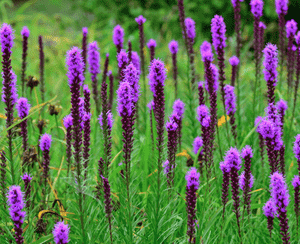
This enduring herbaceous species is recognized for its elevated purple flower clusters. For Liatris spicata, deadhead faded blossoms to stimulate further flowering and preserve visual appeal. Reducing the foliage in early spring fosters fresh development, whereas trimming after blooming can deter self-propagation if preferred. The most effective time for pruning spans from early spring through late autumn, aligning with its periods of active growth and flowering. Consistent pruning aids Liatris spicata by boosting its vitality and averting excessive density.
What Are the Benefits of Pruning Dense Blazing Star?
What Are the Benefits of Pruning Dense Blazing Star?
Trimming dense blazing star promotes more abundant blooms, stimulates vigorous development, and maintains a neat shape, ensuring both visual appeal and plant vitality.
What Is the Best Time for Pruning Dense Blazing Star?
What Is the Best Time for Pruning Dense Blazing Star?
Pruning in early spring allows dense blazing star to efficiently use its energy for new growth, strengthening its health and vitality before the flowering season. This period also avoids active growth, minimizing stress and disease transmission through cuts. After the blooming period in late fall, pruning helps remove spent flowers and seed heads, encouraging a tidier plant structure and potentially more robust growth the following year. It also prevents self-seeding if maintaining plant numbers or location is desired. These seasons avoid cutting back dense blazing star during energy-intensive budding and flowering, thus not compromising its development or floral display.
What Tools Do I Need to Prune Dense Blazing Star?
Hand Pruners
Perfect for snipping off faded flower stalks and removing dead leaves from dense blazing star, ensuring clean cuts without harming the plant's base.
Pruning Shears
Suitable for cutting thinner, non-woody stems of dense blazing star during thinning to improve air circulation and light penetration.
Gardening Gloves
Protective gear to prevent cuts and scrapes when handling dense blazing star, enhancing safety during the pruning process.
Garden Scissors
Useful for deadheading dense blazing star to encourage further blooming and maintain plant appearance throughout the growing season.
How to Prune Dense Blazing Star
Step1: Post-Bloom Timing for Pruning
Wait until the dense blazing star has finished blooming, typically in late summer or fall. This timing ensures you don't remove flower heads before they've displayed and attracted pollinators.
Step2: Identifying Spent Flower Heads
Locate the dead flower heads. They will appear discolored, and their petals may be wilted or fallen.
Step3: Pruning Shears Sterilization
Use clean, sharp pruning shears. To prevent disease spread, it's important to disinfect your tools before and after use, especially if used on a diseased plant.
Step4: Cutting Dead Flower Heads at Base
Cut the dead flower heads from the dense blazing star by making a clean cut at the base of the flower head's stalk. Be careful not to damage surrounding foliage or developing buds.
Step5: Pruning Above Leaves for Re-growth
Prune the flower heads just above a leaf or a set of leaves, as this can promote healthier new growth. If the entire stalk is brown and dead, it can be pruned back to the base of the plant.
Step6: Disposal of Pruned Plant Material
Discard the removed flower heads in a compost or waste bin. Do not leave them on the ground as they can attract pests or contribute to disease.
Step7: Observing New Growth Post-Pruning
Monitor the dense blazing star after pruning for any signs of new growth. Deadheading, or the removal of spent flowers, often encourages a second bloom in some perennials.
Step8: Post-Pruning Watering and Care
Water and care for the dense blazing star as usual after pruning. Ensure that the plant receives adequate water, especially if the weather is dry, as this can influence its ability to rebound and produce new growth.
Post-Pruning Care for Dense Blazing Star
Post-Pruning Care for Dense Blazing Star
Immediately after pruning, dense blazing star needs sufficient hydration to aid recovery. It's vital to maintain a well-draining environment with consistent moisture, avoiding waterlogging. Post-pruning, dense blazing star thrives in full sun to partial shade, so ensure ample light exposure without excessive heat. Adjust humidity and temperature to mimic dense blazing star's natural habitat. Apply a balanced fertilizer to replenish nutrients and support growth. Vigilantly monitor dense blazing star for stress signs like wilting or discoloration, and for infection indicators such as unusual spotting. Early detection and treatment are crucial for dense blazing star's robust regrowth.
Common Pruning Mistakes with Dense Blazing Star
Incorrect Timing for Pruning
Pruning at the wrong stage of dense blazing star's growth cycle can hinder flower production. Removing growth too early or late can impede the natural blooming cycle.
Excessive Pruning
Over-pruning dense blazing star can be detrimental to its health. Cutting back too much at once can stress the plant and reduce its vigor.
Improper Pruning Tools
Using dull or dirty pruning tools can damage dense blazing star's stems, potentially leading to disease or an unsightly plant. Clean, sharp cuts are crucial.
Common Pruning Tips for Dense Blazing Star
Post-Bloom Pruning for Reblooming
Trim spent flower stalks of dense blazing star at the base after blooming to promote tidy growth and potentially encourage a second bloom in favorable conditions.
Pre-Spring Foliage Cutting for Rejuvenation
Cut back the foliage of dense blazing star to ground level during late winter or early spring before new growth starts, as this will help to rejuvenate the plant for the coming season.
Spring Thinning for Disease Prevention
Thin out crowded stems of dense blazing star in spring to increase air circulation and sunlight penetration throughout the plant, which is vital for reducing the risk of disease.



