How to Prune Chinese privet?
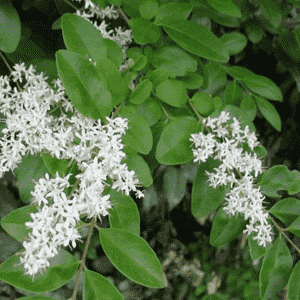
This prevalent evergreen bush is distinguished by its thick leaves and aromatic white blossoms. For chinese privet, trimming ought to focus on excising lifeless or ailing wood and reducing congested limbs to improve air movement. Shaping is most effectively performed in late spring or early summer subsequent to blooming to stimulate fresh development and preserve the preferred dimensions and structure. Pruning boosts blooming and can deter chinese privet from spreading aggressively, as it enables cultivators to manage its swift expansion.
What Are the Benefits of Pruning Chinese Privet?
What Are the Benefits of Pruning Chinese Privet?
Trimming chinese privet promotes blooming, lessens illness, and deters pest infestations, which are crucial for maintaining vigor and visual appeal.
What Is the Best Time for Pruning Chinese Privet?
What Is the Best Time for Pruning Chinese Privet?
These periods are ideal as they align with the conclusion of the plant's rapid spring growth, enabling gardeners to shape it without hindering its development. Pruning in late spring minimizes the risk of frost damage to new cuts, while early summer pruning coincides with post-flowering times for chinese privet, reducing the impact on later blooming and fruiting. This timing also aids in faster healing of cuts, fostering better plant health and vitality. Furthermore, pruning during these seasons helps manage the size and prevent the potential invasive spread of chinese privet by removing unwanted seedlings that emerge in spring.
What Tools Do I Need to Prune Chinese Privet?
Hand Pruners
Perfect for snipping smaller branches and twigs of chinese privet, hand pruners offer accuracy and ease for routine upkeep.
Loppers
Loppers feature extended handles and strong cutting power, excellent for severing thicker branches of chinese privet that hand pruners cannot handle.
Pruning Saws
For the thickest branches of chinese privet, a pruning saw can make clean cuts without harming the plant. This is vital for removing mature branches.
Hedge Shears
To sculpt the foliage of chinese privet into hedges or formal designs, hedge shears allow for uniform, straight cuts across multiple stems.
Pole Pruner
When branches of chinese privet are out of reach, a pole pruner extends to higher limbs, combining a saw and a lopper on a long pole for versatility.
Gloves
Protective gloves are essential for the gardener's safety while pruning chinese privet, preventing scratches and providing better grip on the tools.
How to Prune Chinese Privet
Step1: Wear Protective Gear
Safety Precautions: Before starting the pruning process for chinese privet, ensure you are wearing appropriate safety gear like gloves and goggles to protect against thorns and debris.
Step2: Sterilize Pruning Tools
Tool Preparation: Sharpen and sterilize your pruning tools to ensure clean cuts and reduce the risk of spreading disease to chinese privet.
Step3: Pre-Prune Hydration
Hydration: Water chinese privet thoroughly a day before pruning to reduce stress on the plant.
Step4: Timing Pruning Season
Best Timing: Prune chinese privet during its dormancy in late winter or early spring, before new growth begins.
Step5: Remove Dead Branches
Dead Branch Removal: Start by removing any dead branches. Make cuts at a 45-degree angle, just above a healthy bud or another branch junction.
Step6: Eradicate Diseased Wood
Diseased Branch Eradication: Identify and cut out any diseased branches. Disinfect the pruning tools after each cut to prevent spread of illness.
Step7: Prune for Shape and Size
Shaping Old Wood: Prune old wood to maintain or improve the shape and size of chinese privet. Cut back to a healthy side shoot or an outward-facing bud to encourage outward growth.
Step8: Trim Overgrown Branches
Overgrown Branch Management: Reduce the size of overgrown branches by trimming them back to a side branch or bud that points in the desired direction of growth.
Step9: Cut Off Damaged Limbs
Damaged Branch Resection: Remove damaged branches by cutting them off at the point just beyond the break or injury.
Step10: Increase Air and Light Flow
Thinning: Thin out some of the branches to increase light penetration and air circulation. Remove some of the dense inner branches that are crossing or rubbing against each other.
Step11: Refine Final Appearance
Final Shaping: Step back and review the overall form of chinese privet. Make any additional shaping cuts to refine the plant's appearance, keeping its natural shape in mind.
Step12: Pruning Debris Cleanup
Cleanup: Clear away the debris and dispose of the pruned material, especially if it contains diseased or damaged wood, to maintain a healthy garden environment.
Step13: Watering and Mulching Post-Prune
Post-Pruning Care: Water chinese privet thoroughly after pruning to help it recover. Applying mulch around the base can also conserve moisture and regulate soil temperature.
Post-Pruning Care for Chinese Privet
Post-Pruning Care for Chinese Privet
Immediately after pruning chinese privet, water thoroughly to reduce pruning shock. Ensure chinese privet is in an environment with appropriate light; partial shade is ideal. Maintain humidity and temperature levels consistent with the species' preferences, avoiding extremes. Apply a balanced fertilizer to support recovery, but avoid over-fertilization which can damage new growth. Regularly inspect chinese privet for signs of stress or infection, such as wilting or discolored foliage. If symptoms occur, adjust care or consult an expert for potential treatments.
Common Pruning Mistakes with Chinese Privet
Avoid Cutting Into Old Wood
Cutting into old wood where chinese privet may not readily produce new shoots can result in bare patches that won't fill in, making the plant look unsightly.
Do Not Over-Prune
Over-pruning or cutting back too harshly can stress chinese privet, leading to weakened health and less robust growth.
Always Clean and Sharpen Tools
Neglecting to clean or sharpen pruning tools, which can cause damage to the branches and leaves of chinese privet, and potentially introduce disease.
Prune with Clear Objectives
Pruning without a clear goal, thus removing too much foliage and disrupting the plant's natural shape.
Prevent Stubs to Avoid Decay
Leaving stubs when cutting branches can lead to decay and disease entry points.
Common Pruning Tips for Chinese Privet
Cut at 45-Degree Angle Above Buds
Make clean cuts on chinese privet at a 45-degree angle, just above a leaf node or bud to promote healthy regrowth and prevent water accumulation.
Use Sharp, Clean Pruning Tools
Use sharp and clean pruning tools to ensure precise cuts and reduce the risk of disease.
Thin to Improve Air and Light
Thin out dense foliage of chinese privet to improve air circulation and light penetration, which will enhance the plant's overall health and flowering potential.
Remove Dead or Diseased Wood
Regularly remove dead or diseased wood from chinese privet to maintain plant vigor and prevent the spread of pathogens.
Prune for Desired Shape and Growth
Shape chinese privet by pruning wayward and overlong shoots to maintain the desired form and encourage bushier growth.
Consider Plant's Natural Habit
Consider the natural habit of chinese privet before pruning to ensure that the plant's aesthetic and health are not compromised.



