How to Prune Wavyleaf sea lavender?
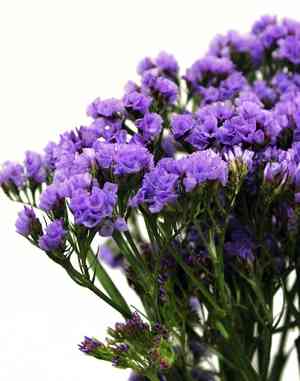
Wavyleaf sea lavender, a favored option for arid, sun-drenched locations, is prized for its vivid hues and papery blossoms, which are ideal for exquisite dried arrangements. Snip off withered flower stalks to encourage more flowering and preserve a tidy look. Removing spent blooms, known as deadheading, prompts a subsequent wave of flowers. Periodically throughout the year, cutting back impaired or excessively long stems enhances air movement and the plant's robustness. Consistent trimming also prevents pest problems and fosters robust, dense development in wavyleaf sea lavender.
What Are the Benefits of Pruning Wavyleaf Sea Lavender?
What Are the Benefits of Pruning Wavyleaf Sea Lavender?
Trimming wavyleaf sea lavender promotes more robust development, resulting in lush foliage and abundant blossoms. It assists in maintaining a desired form and size, enhancing the plant's visual appeal. This practice also fosters a strong structure and well-being, decreasing the likelihood of pests and diseases.
What Is the Best Time for Pruning Wavyleaf Sea Lavender?
What Is the Best Time for Pruning Wavyleaf Sea Lavender?
Pruning wavyleaf sea lavender from late winter to early spring is advantageous as it prepares the plant for new growth in the upcoming season. This timing leverages the plant's dormant phase, minimizing stress and reducing the chance of disease or pest infestation that can occur with cuts made during warmer, active growth periods. Furthermore, removing spent flowers and dead or damaged stems just before the spring growth spurt allows the plant's energy to concentrate on producing healthy new foliage and blooms. Trimming at this point helps preserve the desired shape and encourages more vigorous growth, leading to a fuller, healthier plant with optimal flowering potential.
What Tools Do I Need to Prune Wavyleaf Sea Lavender?
Bypass Pruners
Perfect for making clean, accurate cuts on the slender stems of wavyleaf sea lavender without crushing plant tissues.
Gardening Shears
Useful for shaping and maintaining the overall structure of wavyleaf sea lavender, as well as removing faded flowers to encourage further blooming.
Gloves
Offers essential protection when handling wavyleaf sea lavender to prevent skin irritation from contact with the plant's sap.
Disinfectant
Crucial for sanitizing tools before and after pruning wavyleaf sea lavender to prevent the spread of diseases among plants.
Garden Scissors
Suitable for snipping delicate or hard-to-reach stems of wavyleaf sea lavender, ensuring minimal damage to the plant's framework.
How to Prune Wavyleaf Sea Lavender
Clean Tools
Before beginning, ensure all pruning implements are clean and sharp to avoid transmitting diseases to wavyleaf sea lavender.
Remove Diseased Parts
Carefully eliminate any diseased leaves and branches from wavyleaf sea lavender by cutting back to healthy tissue to prevent the spread of illness within the plant.
Trim Withered Elements
Trim off withered leaves and dead branches to maintain the health and appearance of wavyleaf sea lavender, cutting back to the base or to the nearest healthy bud.
Prune Withered Flower
Cut back the withered flower stems of wavyleaf sea lavender to the base or just above the closest set of leaves, which encourages new growth and flowering.
Dispose Waste
After pruning, properly dispose of all removed material away from wavyleaf sea lavender to minimize the risk of disease or pest infestation.
Common Pruning Mistakes with Wavyleaf Sea Lavender
Over-Pruning
Removing too much foliage at once can stress wavyleaf sea lavender, which can lead to a weak plant that produces fewer blooms.
Pruning Too Close
Cutting too close to the main stem or flower buds can damage the plant. Always leave a short length of stem to prevent harm to the main growth.
Improper Tool Use
Using dull or dirty pruning tools can create jagged cuts that are susceptible to disease and pests.
Neglecting Deadheading
Failing to remove spent flowers can result in wavyleaf sea lavender focusing energy on seed production rather than producing new blooms.
Pruning Healthy Growth
Unnecessary cutting of healthy stems and leaves can hinder wavyleaf sea lavender's growth and reduce its overall vigor.
Common Pruning Tips for Wavyleaf Sea Lavender
Sanitized Tools
Always use clean, sharp pruning shears to make precise cuts and minimize the risk of spreading diseases.
Angled Cuts
Make angled cuts when pruning to prevent water accumulation on the cut surface, which can lead to rot and disease.
Monitor Plant Health
Regularly inspect wavyleaf sea lavender for diseased or damaged stems and foliage to prune accordingly, which helps maintain a healthy plant.
Conservative Approach
Start with a conservative approach to pruning, removing only what is necessary. It is easier to prune more later, if needed, than to undo excessive pruning.
Deadheading
Regularly remove spent flowers to encourage wavyleaf sea lavender to produce more blooms and maintain a tidy appearance.



