How to Prune Northern spicebush?
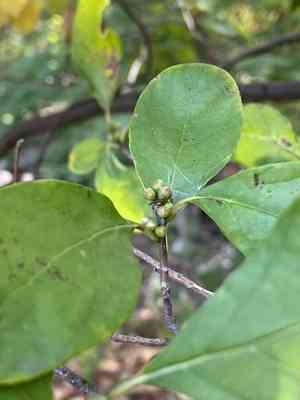
Trim Lindera benzoin in early spring prior to the emergence of new foliage. Begin by excising any lifeless or ailing branches, subsequently reducing crowded sections to enhance light access and airflow. Shorten elongated stems to preserve the plant's form and foster a more compact habit. This trimming also encourages the development of fragrant leaves and potentially a greater yield of berries in female specimens. Refrain from extensive cutting to avert undue strain on the shrub.
What Are the Benefits of Pruning Northern Spicebush?
What Are the Benefits of Pruning Northern Spicebush?
Trimming northern spicebush can encourage vigorous new development, ensuring a strong and healthy specimen. Consistent trimming also helps preserve its desired form, enhancing the garden's beauty.
What Is the Best Time for Pruning Northern Spicebush?
What Is the Best Time for Pruning Northern Spicebush?
Pruning northern spicebush from late winter to early spring is optimal, as this occurs just before new growth begins. This timing ensures pruning wounds heal quickly with minimal risk of frost damage to the cuts. Furthermore, since northern spicebush flowers on old wood, pruning after blooming removes the current year's flowers. Therefore, pruning before the growing season directs the plant's energy towards new season's growth and flower production. This practice also allows gardeners to remove any dead or diseased wood before the plant leafs out, making its structure and overall health easier to assess. By following these guidelines, northern spicebush will maintain a healthy structure and vigorous growth while ensuring optimal flowering and fruiting.
What Tools Do I Need to Prune Northern Spicebush?
Hand Pruners
Perfect for cutting small stems and branches on northern spicebush, typically those under half an inch in diameter. They provide a clean cut that promotes healthy regrowth and are easy to maneuver within northern spicebush's dense foliage.
Loppers
Suitable for slightly larger branches of northern spicebush, usually up to 1.5 inches thick. They feature long handles, offering greater reach and leverage for pruning without harming the plant.
Pruning Saw
Essential for removing mature branches from northern spicebush that are thicker than what hand pruners or loppers can manage. This tool ensures precise cuts and minimizes stress and damage to the plant.
Hedge Shears
Useful for shaping northern spicebush if cultivated as a hedge. They allow for even cutting to achieve a neat, formal appearance, but should be used carefully to avoid excessive foliage removal.
Pole Pruner
For high branches on northern spicebush that are out of reach, a pole pruner provides the necessary length to prune without a ladder, thereby enhancing safety.
How to Prune Northern Spicebush
Sanitize tools
Before you begin pruning northern spicebush, ensure all pruning tools are clean and sharp to prevent disease spread. Use a disinfectant like rubbing alcohol or a 10% bleach solution to sanitize your pruning shears.
Remove dead branches
Identify and remove any dead branches from northern spicebush. Dead branches will be brittle, lack green growth, and may have peeling bark. Cut these branches where they meet healthy wood, using an angle that allows water to run off the cut surface.
Cut diseased branches
Remove diseased branches from northern spicebush as soon as they are noticed. Look for branches with unusual coloration, growths, or lesions. Make cuts well below the diseased area to ensure all compromised tissue is removed. Dispose of them properly to prevent spreading pathogens.
Thin weak twigs
Thin out weak twigs on northern spicebush to promote better air circulation and light penetration throughout the plant. Weak twigs are often thinner, have less foliage, and may droop. Cut these back to a main branch or to a healthy outward-facing bud to encourage robust growth.
Maintain shape
After removing dead, diseased, and weak growth, lightly shape the remaining branches of northern spicebush if necessary. Focus on maintaining the natural form of the plant rather than creating a manicured look. Trim any excessively long or out-of-place branches to balance the overall appearance.
Common Pruning Mistakes with Northern Spicebush
Overpruning
Removing too much growth from northern spicebush at once can stress the plant, slowing its development and reducing its vigor.
Improper cuts
Making cuts too close or too far from the node can harm northern spicebush, potentially leading to disease entry and poor healing.
Dirty tools
Using unclean pruning tools can introduce pathogens to northern spicebush, increasing the risk of disease.
Neglecting shape
Without considering the natural growth habit of northern spicebush, a gardener might inadvertently disrupt its attractive shape and dense foliage.
Inattention to deadwood
Failing to remove dead or diseased branches can impede the overall health and aesthetic appeal of northern spicebush.
Common Pruning Tips for Northern Spicebush
Sharp tools
Always use sharp and clean pruning shears to make clean cuts that northern spicebush can heal from more readily.
Cutting angle
Prune northern spicebush at a 45-degree angle just above a bud facing the outside of the plant to encourage outward growth.
Gradual thinning
Thin out northern spicebush gradually over several seasons if extensive pruning is needed, rather than all at once.
Preserve structure
Maintain the natural structure of northern spicebush while pruning, removing only what is necessary to enhance its form and growth.
Health evaluation
Regularly assess the health of northern spicebush prior to pruning, targeting dead, diseased, or crossing branches for removal.



