How to Prune Chinese tulip tree?
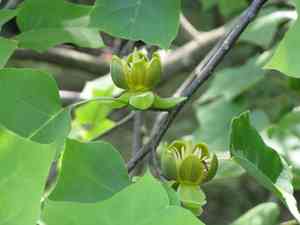
Recognized for its impressive tulip-shaped blossoms, the chinese tulip tree thrives with appropriate attention. Perform pruning in late winter or early spring, prior to the emergence of fresh foliage. Concentrate on eliminating impaired or intersecting limbs to preserve its form and guarantee vigorous development. Reducing crowded sections enhances air movement and light exposure. Refrain from extensive pruning to safeguard the tree's inherent silhouette. Pruning boosts bloom production and fosters a sturdy framework, preventing potential harm from climatic pressures.
What Are the Benefits of Pruning Chinese Tulip Tree?
What Are the Benefits of Pruning Chinese Tulip Tree?
Trimming chinese tulip tree promotes more vigorous development by enhancing light exposure and air circulation, which stimulates robust new growth. It also aids in maintaining its desired form and dimensions, boosting the tree's visual appeal.
What Is the Best Time for Pruning Chinese Tulip Tree?
What Is the Best Time for Pruning Chinese Tulip Tree?
Pruning chinese tulip tree in late winter or early spring is optimal as the plant remains dormant, minimizing stress and reducing the risk of disease entry through cuts. This timing allows chinese tulip tree to recover swiftly with the onset of the growing season, ensuring strong health and vitality. Furthermore, removing dead or damaged branches before the spring growth surge means chinese tulip tree can direct its energy into producing fresh, healthy growth instead of sustaining or repairing old structures. Pruning before new leaves emerge offers a clear view of chinese tulip tree's structure, facilitating more precise cuts. Since chinese tulip tree typically blooms in late spring to early summer, this schedule prevents cutting off flower buds, thus preserving the floral display.
What Tools Do I Need to Prune Chinese Tulip Tree?
Hand Pruners
Perfect for cutting small branches and twigs on chinese tulip tree up to 3/4 inch in diameter. Hand pruners deliver clean cuts and are easy to handle for accurate trimming.
Lopping Shears
Suitable for somewhat larger branches of chinese tulip tree, typically up to 1 1/2 to 2 inches in diameter. Their long handles provide leverage and reach for thicker branches beyond hand pruner capabilities.
Pruning Saw
Recommended for branches exceeding 2 inches in diameter on chinese tulip tree. These saws feature either straight or curved blades with teeth designed to cut through wood fibers efficiently without harming the remaining limb.
Pole Pruner
Useful for reaching higher branches of chinese tulip tree without needing a ladder. Pole pruners often combine a saw and a lopping shear mechanism for versatile cutting.
Pruning Shears (Bypass)
Best for making precise cuts on chinese tulip tree for stems and branches up to 3/4 inch in diameter. Bypass pruners operate like scissors and are preferred over anvil pruners for live wood due to their cleaner cuts that avoid crushing plant tissues.
How to Prune Chinese Tulip Tree
Identification
Inspect chinese tulip tree for any dead or diseased branches. These typically appear dry, brittle, and may show signs of decay or infection.
Sanitation
Sterilize your pruning shears or saw before starting to prevent disease transmission. Clean tools with a solution of 1 part bleach to 9 parts water.
Cutting Technique
Employ proper cutting methods to remove dead or diseased limbs. Make cuts at a 45-degree angle, approximately 1/4 inch above a healthy bud or branch to encourage proper healing and new growth.
Disposal
Carefully remove and discard all pruned dead or diseased material away from chinese tulip tree to prevent potential reinfection or pest spread.
Wound Care
If large branches are removed, apply a thin layer of pruning sealant to bigger wounds to protect chinese tulip tree from decay and pests.
Common Pruning Mistakes with Chinese Tulip Tree
Over-Pruning
Removing too much foliage at once can stress chinese tulip tree, leading to stunted growth and reduced flowering. It's crucial to limit pruning to only what is necessary.
Improper Cuts
Making cuts too close to the trunk or too far from a bud can result in poor wound healing and create entry points for disease. Correct pruning cuts should be made at a 45-degree angle just above outward-facing buds.
Neglecting Sanitization
Not sanitizing tools between cuts can spread diseases from infected parts of chinese tulip tree to healthy ones. Always clean and disinfect tools before and after use.
Pruning For Symmetry
Attempting to force chinese tulip tree into symmetrical shapes can lead to unnatural growth patterns and harm the tree's natural structure. Prune chinese tulip tree to enhance its natural form instead of imposing symmetry.
Ignoring Deadwood
Failing to remove dead or diseased branches can invite pests and diseases, which can spread to healthy parts of chinese tulip tree. Regularly check and remove these compromised areas.
Common Pruning Tips for Chinese Tulip Tree
Selective Thinning
Focus on thinning crowded areas to improve air circulation and light penetration. This encourages healthy growth and flowering in chinese tulip tree.
Encouraging Leaders
Identify and encourage a strong central leader by selectively pruning competing branches. This helps maintain the structural integrity and aesthetic form of chinese tulip tree.
Gradual Renovation
If chinese tulip tree requires significant shaping, spread the work over a few seasons. Gradual pruning is less stressful for the tree and allows for a more controlled approach to shape and size management.
Seasonal Sensitivity
Be mindful of the tree's growth cycle, avoiding pruning activities that can disrupt its natural processes. Work with the tree's inherent growth patterns for the best results.
Proactive Maintenance
Regularly inspect chinese tulip tree for signs of damage or disease and address issues promptly. Early intervention can prevent minor issues from becoming major problems.



