How to Prune Sweet alyssum?
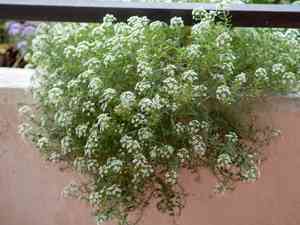
Originating in the Mediterranean region, sweet alyssum is an aromatic, compact annual recognized for its abundant, vibrant blossoms. Removing spent flowers promotes ongoing blooming and hinders self-propagation. A gentle trim following the initial bloom period boosts density and flower production. Trim sweet alyssum from early spring through late autumn, coinciding with its periods of active development. Advantages of trimming encompass enhanced plant robustness and visual upkeep. Refrain from severe cuts to safeguard its fragile framework.
What Are the Benefits of Pruning Sweet Alyssum?
What Are the Benefits of Pruning Sweet Alyssum?
Trimming sweet alyssum promotes vigorous development and helps maintain its dense, rounded form. This ensures an attractive appearance while encouraging healthier, more abundant flowers.
What Is the Best Time for Pruning Sweet Alyssum?
What Is the Best Time for Pruning Sweet Alyssum?
Pruning in early spring benefits sweet alyssum by coinciding with the start of its active growth, leading to healthier, bushier development. Additionally, trimming before flowering can stimulate more prolific blooms. During the growing season, regular light trims encourage sweet alyssum to maintain its shape and promote continuous flowering. Late fall trimming is advantageous as it prepares sweet alyssum for winter by removing old or dead growth, reducing potential disease and pest risks. However, in regions where sweet alyssum is grown as an annual, this late-season pruning may be unnecessary. These times are optimal as they ensure cutting does not interfere with the flowering cycle, maintains plant vigor, and accommodates its periods of active growth and dormancy.
What Tools Do I Need to Prune Sweet Alyssum?
Hand Pruners
The small size of sweet alyssum makes hand pruners ideal for precise cuts, fostering healthy growth and removing spent flowers.
Gardening Scissors
These are well-suited for trimming delicate stems and can be used for deadheading individual sweet alyssum flowers to encourage more blooms.
Gardening Gloves
Wearing gloves protects hands from minor scratches or irritation when pruning sweet alyssum, ensuring a safe gardening experience.
Pruning Snips
Perfect for reaching into dense sweet alyssum foliage without damaging the plant structure while snipping away faded blooms.
How to Prune Sweet Alyssum
Step1: Inspecting Plant for Dead Blooms and Withered Branches
Examine sweet alyssum to locate old blooms and withered branches. Look for flowers that have faded and lost their color, as well as branches that are brown and brittle.
Step2: Preparing Sterilized Pruning Shears
Use clean, sharp pruning shears. Sanitize the blades with rubbing alcohol before starting to prevent the spread of disease.
Step3: Removing Old Blooms with Angled Cuts
Begin with old blooms. Snip them off just above the next set of healthy leaves, using an angled cut to encourage water runoff and minimize disease risk.
Step4: Pruning Withered Branches Above Outward-Facing Buds
For withered branches, make cuts at a 45-degree angle just above an outward-facing bud or branching point, ensuring space for new growth without overcrowding.
Step5: Shaping Plant and Maintaining Natural Form
After trimming old blooms, lightly shape the overall form of sweet alyssum if needed, maintaining its natural mounding habit. Avoid heavy pruning as sweet alyssum responds best to gentle shaping.
Step6: Cleaning Up Trimmings to Prevent Pests
Once all unwanted old blooms and withered branches are removed, clear away the cuttings from the base of sweet alyssum to deter pests and diseases.
Step7: Watering Post-Pruning for New Growth
Water the base of sweet alyssum after pruning to help encourage new growth, being careful not to soak the foliage as this could promote fungal diseases.
Step8: Monitoring New Growth and Ongoing Deadheading
Monitor sweet alyssum after pruning for signs of new growth. Regular deadheading of spent blooms throughout the growing season can enhance blooming and maintain a tidy appearance.
Post-Pruning Care for Sweet Alyssum
Post-Pruning Care for Sweet Alyssum
After pruning sweet alyssum, immediately water the plant to help reduce stress. Maintain bright, indirect light and ensure the environment is cool to moderate (60-75°F) with moderate humidity. Apply a balanced, slow-release fertilizer to support regrowth. Observe sweet alyssum for wilting, discoloration, or signs of disease. If symptoms arise, adjust care accordingly and consider a mild fungicide for infections. Regular monitoring and gentle care ensure sweet alyssum's robust recovery and lush growth.
Common Pruning Mistakes with Sweet Alyssum
Excessive Foliage Removal Reducing Blooms
Over-pruning, which involves removing too much foliage and can reduce the bloom production of sweet alyssum.
Pruning During Bud Development Disrupts Flowers
Pruning at the wrong growth stage, such as during the budding phase, which can disrupt flower formation.
Unclean Dull Tools Can Damage Stems and Spread Disease
Using unclean or dull tools, which can cause damage to the stems and make sweet alyssum more susceptible to disease.
Ignoring Plant's Natural Shape Leads to Poor Growth
Pruning without considering the shape and natural habit of sweet alyssum, leading to an undesirable growth pattern.
Common Pruning Tips for Sweet Alyssum
Sharp, Clean Shears for Healthy Cuts and Disease Prevention
Use sharp, clean shears to make precise cuts, which help ensure quick healing and prevent disease.
Prune Above Leaves for Branching and Full Growth
Cut back to just above a set of leaves to encourage branching and a fuller shape without stunting the growth of sweet alyssum.
Regular Deadheading for Continuous Blooms and Neatness
Deadhead spent flowers regularly to promote continuous blooming and maintain a tidy appearance for sweet alyssum.
Thin Dense Areas to Boost Airflow and Deter Fungus
Thin out dense areas to improve air circulation, which helps prevent fungal diseases in sweet alyssum.
Gradual Pruning for Compactness and New Growth
Lightly prune sweet alyssum throughout the growing season to keep it compact and to encourage new growth.



