How to Prune Perennial ryegrass?
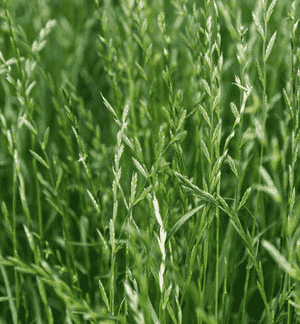
A sturdy, clump-forming cool-season grass, perennial ryegrass flourishes in moderate environments, frequently utilized for turf and grazing areas. Trim perennial ryegrass by reducing its height to control its dimensions and encourage thick development, ideally performed from early to late spring or early to late autumn. Trimming during these intervals assists perennial ryegrass in recovering and regenerating swiftly, boosting its resilience and diminishing weed rivalry. Refrain from removing over one-third of the grass blade to avert strain on perennial ryegrass.
What Are the Benefits of Pruning Perennial Ryegrass?
What Are the Benefits of Pruning Perennial Ryegrass?
Trimming perennial ryegrass promotes stronger development, helping it maintain an ideal shape for better light absorption and nutrient uptake, fostering a robust and thriving plant.
What Is the Best Time for Pruning Perennial Ryegrass?
What Is the Best Time for Pruning Perennial Ryegrass?
These periods are considered ideal as they align with perennial ryegrass's growth cycle. In early spring, the plant is entering a growth phase after winter dormancy, making it a good time to prune without stressing the plant. Pruning during this period encourages healthy new growth and helps to shape the plant for the upcoming season. Similarly, early fall is another productive time to prune perennial ryegrass as it allows for removal of any summer-damaged swards before the plant prepares for winter dormancy. Late fall pruning can help to reduce the risk of fungal diseases which are more prevalent in moist conditions that often accompany winter. Pruning during these times promotes vigor and ensures that the plant remains healthy and well-groomed without interfering with its natural growth or reproductive cycles.
What Tools Do I Need to Prune Perennial Ryegrass?
Lawn Mower
An essential tool for perennial ryegrass, a lawn mower enables quick and even trimming of grass blades, ensuring a tidy appearance and encouraging healthy growth by preventing excessively long and tangled grass.
Grass Shears
For precise edge trimming and reaching areas where a mower is impractical, grass shears offer the control needed to maintain the edges of perennial ryegrass near pathways, garden beds, and other obstructions.
String Trimmer
Also known as a weed eater, this tool effectively manages overgrown perennial ryegrass along borders, around trees, or in confined spaces that mowers cannot access, helping to maintain a consistent lawn height.
Pruning Shears
Handheld pruning shears are useful for snipping off any dead or yellowing grass blades of perennial ryegrass, encouraging fresh growth by allowing more light and air to reach new shoots.
How to Prune Perennial Ryegrass
Step1: Inspect and Identify for Pruning
Examine perennial ryegrass thoroughly to pinpoint the sections requiring trimming, such as dead foliage, withered grass, or diseased areas. Wear gardening gloves to protect your hands.
Step2: Sterilize Pruning Tools
Utilize clean, sharp scissors or shears to avoid tearing the blades of perennial ryegrass. Disinfect cutting tools before use by wiping them with alcohol to prevent disease transmission.
Step3: Remove Dead Foliage at Base
Cut away dead foliage at the base of perennial ryegrass, being careful not to harm new growth. Remove only the dead material, allowing space for healthy grass to flourish.
Step4: Trim Withered Grass to Encourage Growth
Trim withered grass by neatly snipping at a consistent height. Aim to reduce the height of perennial ryegrass to approximately 2-3 inches to promote dense and even growth.
Step5: Excise Diseased Patches
Identify and prune diseased patches in perennial ryegrass by carefully cutting out the affected area down to the soil level. Ensure to remove a small margin of healthy-looking grass around the diseased section to prevent the spread of pathogens.
Step6: Dispose of Pruning Debris Properly
Dispose of all removed parts of perennial ryegrass by placing them in a compost bin or bagging them for yard waste, ensuring that diseased clippings are not composted but rather discarded to prevent contaminating other plants.
Step7: Water Lightly Post-Pruning
After pruning, water perennial ryegrass lightly to aid recovery and encourage new growth, taking care not to overwater as this can promote disease.
Step8: Tracking Progress and Maintaining Health
Monitor perennial ryegrass after pruning for signs of new growth or the occurrence of any issues. Repeat the pruning process as needed throughout the growing season to maintain the health and appearance of perennial ryegrass.
Post-Pruning Care for Perennial Ryegrass
Post-Pruning Care for Perennial Ryegrass
Immediately after pruning perennial ryegrass, irrigate sufficiently to alleviate stress and encourage recovery. Optimize light exposure, maintaining it at a level suitable for perennial ryegrass, and regulate humidity and temperature to prevent environmental strain. Apply balanced fertilizers to provide essential nutrients and encourage vigorous growth. Monitor perennial ryegrass for discoloration, wilting, or pest signs, indicating stress or infection. Promptly address any issues to safeguard the plant's health.
Common Pruning Mistakes with Perennial Ryegrass
Over-Pruning in One Session
Cutting too much at once, which can stress perennial ryegrass and reduce its vigor.
Using Dull or Dirty Pruning Tools
Using dull or dirty tools, which can damage perennial ryegrass's blades and introduce diseases.
Ignoring Plant's Natural Growth Pattern
Ignoring the natural growth pattern of perennial ryegrass, leading to an uneven or unhealthy appearance.
Pruning Too Much Off, Risking Plant Health
Pruning too short, which can expose perennial ryegrass to extreme temperatures and limit its ability to photosynthesize.
Not Removing Dead or Diseased Foliage
Failing to remove dead or diseased foliage, which can hinder perennial ryegrass's growth and spread pathogens.
Common Pruning Tips for Perennial Ryegrass
Keep Pruning Tools Sharp for Healthy Cuts
Sharpen pruning tools regularly to ensure clean cuts on perennial ryegrass, reducing the risk of infection and promoting faster healing.
Prune Top One-Third of Foliage Gradually
Remove only the top one-third of perennial ryegrass's grass blades during a single pruning session to maintain plant health.
Adhere to One-Third Rule to Prevent Shock
Prune dead or diseased blades of perennial ryegrass as soon as possible to maintain a healthy plant and aesthetic appeal.
Remove Diseased Blades Promptly for Health
Disinfect pruning tools before and after use to prevent the spread of disease among perennial ryegrass plants.



