How to Prune Japanese honeysuckle?
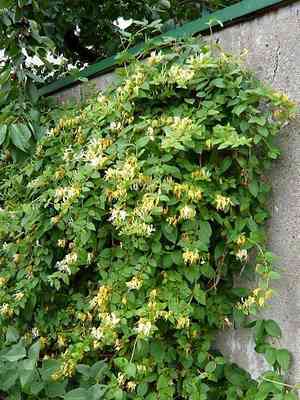
This robust climbing plant, renowned for its aromatic, pale to golden blossoms, flourishes with appropriate upkeep. Trim japanese honeysuckle during the initial part of spring or the latter part of winter, concentrating on eliminating lifeless or excessively dense branches to foster vigorous development and air circulation. Reducing the number of older stalks encourages revitalization. Given its aggressive spreading tendency, extensive trimming might be necessary to manage its expansion, which can stimulate strong new shoots, thereby preserving the plant's form and restricting its dimensions.
Advantages of Trimming japanese honeysuckle
Advantages of Trimming japanese honeysuckle
Trimming japanese honeysuckle promotes robust development and helps maintain its form, preventing excessive growth and fostering a more manageable, visually appealing structure. This simplifies its control and cultivation within a desired area.
Optimal Period for Trimming japanese honeysuckle
Optimal Period for Trimming japanese honeysuckle
Trimming japanese honeysuckle during late winter and early spring coincides with its dormant phase before its rapid growth cycle begins. This timing allows gardeners to shape the plant and remove any dead or diseased wood without causing stress, as sap flow is minimal. Pruning before spring growth also enables japanese honeysuckle to recover from cuts before entering its active growth period, thereby reducing vulnerability to disease and pests. Furthermore, since japanese honeysuckle flowers on the current year's growth, late winter or early spring pruning ensures minimal disruption to blooming, as flowering typically occurs from late spring to early summer. This schedule supports vigorous growth and flowering, contributing to both the plant's health and the aesthetic benefits of its blooms.
Tools Required for Trimming japanese honeysuckle
Hand Pruners
Perfect for precise cutting and trimming of japanese honeysuckle stems and vines. The tool must be sharp to ensure clean cuts that encourage healthy regrowth.
Lopping Shears
japanese honeysuckle can sometimes have thicker stems that demand more leverage to cut; lopping shears offer this leverage with their long handles, making them suitable for cutting stems up to approximately 1.5 inches in diameter.
Hedge Shears
For shaping and managing the spread of japanese honeysuckle, hedge shears are effective for cutting multiple thin vines simultaneously and maintaining hedge forms if japanese honeysuckle is grown as a hedge plant.
Pruning Saw
When japanese honeysuckle has been allowed to grow unchecked and has developed thick, woody stems, a pruning saw may be necessary for removing these larger branches.
How to Trim japanese honeysuckle
Step1: Timing for Pruning
Select the appropriate time to prune japanese honeysuckle, ideally late winter or early spring before new growth starts, to avoid cutting off the current year's flowers.
Step2: Removing Dead or Diseased Wood
Begin by removing any dead or diseased wood. Cut these sections back to healthy wood, just above a leaf set or at the plant's base if the stem is completely dead.
Step3: Trimming Overgrown Shoots
Identify overgrown shoots that detract from the plant's shape or extend beyond the desired area. Cut these shoots back to a point where they align with the rest of the plant or to a strong set of buds.
Step4: Cutting Back Spindly Stems
Locate spindly stems that are thinner and weaker compared to the rest of the plant. Trim these stems back to their origin point or to a strong lateral shoot to encourage thicker, healthier growth.
Step5: Rejuvenation Pruning
To ensure the rejuvenation of japanese honeysuckle, consider cutting back one-third of the oldest stems almost to the plant's base. This allows for more light and air circulation, promoting healthy new growth.
Step6: Final Shaping Cuts
After the main pruning, inspect the plant for any remaining irregularities or long stems. Make additional cuts as needed for shaping to maintain an attractive appearance.
Step7: Tool Disinfection
Clean all your pruning tools after use to prevent disease spread. Disinfect them with a bleach or alcohol solution before trimming another plant.
Step8: Disposal of Pruning Debris
Dispose of all pruned material, especially if it contains dead or diseased wood, to prevent pests or diseases from affecting japanese honeysuckle or other nearby plants.
Step9: Post-Pruning Watering
Water japanese honeysuckle after pruning to help reduce plant stress and provide a good foundation for new growth as the growing season progresses.
Post-Trimming Care for japanese honeysuckle
Post-Trimming Care for japanese honeysuckle
Immediately after trimming japanese honeysuckle, water thoroughly to minimize shock and aid recovery. Maintain moderate light exposure; direct sunlight can be detrimental during recovery. Adjust humidity and temperature to moderate levels; japanese honeysuckle thrives in well-ventilated, not overly hot conditions. Apply a balanced fertilizer to support new growth but avoid over-fertilization, which can stress japanese honeysuckle. Monitor for signs of stress, such as wilting or yellowing leaves, which could indicate infection. If such signs are present, treat promptly with appropriate fungicides or pesticides.
Common Trimming Errors with japanese honeysuckle
Excessive Pruning Reduces Plant Health
Over-pruning, which can stress japanese honeysuckle and diminish its vigor and flowering potential.
Inadequate Removal of Woody Stems Hinders Rejuvenation
Not removing enough of the older, woody stems, which can lead to reduced plant rejuvenation and fewer blooms.
Unsterilized Tools Increase Disease Spread Risk
Pruning without first sterilizing the tools, increasing the risk of spreading diseases to japanese honeysuckle.
Improper Cut Techniques Damage Plant Healing
Using improper cutting techniques, such as tearing or making jagged cuts, which can harm japanese honeysuckle and impede its healing process.
Overlooked Thinning Leads to Poor Airflow and Disease
Neglecting to thin out dense growth, which can result in poor air circulation and higher susceptibility to pests and diseases.
General Trimming Advice for japanese honeysuckle
Sharp Shears Ensure Clean Cuts and Faster Healing
Use sharp, clean pruning shears to make clean cuts, which will help japanese honeysuckle heal faster and reduce the chance of disease.
Remove Old Stems to Boost Vigorous Bloom Growth
Target older stems for removal to promote the growth of younger, more vigorous shoots, which are likely to produce more flowers.
Thin Crowded Areas for Better Light and Airflow
Thin out crowded areas to increase light penetration and air circulation, improving overall plant health and reducing disease risks.
Prune at a 45-degree Angle for Outward Growth
Prune stems at a 45-degree angle just above a healthy bud, encouraging the direction of new growth outward from the center of japanese honeysuckle.
Trim to Maintain Shape and Encourage Natural Growth
Cut back overly long or wayward branches to maintain the desired shape and size of japanese honeysuckle, while still allowing for natural-looking growth.



