How to Prune Cucumber tree?
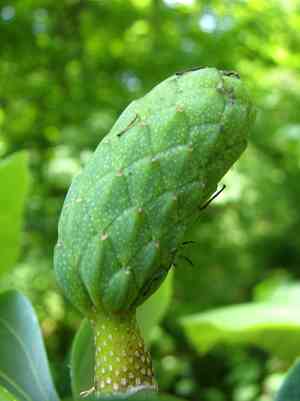
The cucumber tree, celebrated for its vivid yellow-green blossoms and cucumber-like appearance, greatly benefits from appropriate trimming. Essential pruning methods involve excising dead or ailing wood, reducing dense branches to improve light access, and sculpting the tree for structural soundness. The ideal time for this maintenance is in late winter or early spring, prior to the emergence of new foliage. Meticulous pruning boosts flowering, sustains the plant's well-being, and averts future damage by fostering robust branch development.
What Are the Benefits of Pruning Cucumber Tree?
What Are the Benefits of Pruning Cucumber Tree?
Trimming cucumber tree promotes robust development and maintains its desired structure. Strategic cuts enhance light penetration and air movement, crucial for cucumber tree's strong health and visual appeal.
What Is the Best Time for Pruning Cucumber Tree?
What Is the Best Time for Pruning Cucumber Tree?
Late winter and early spring are considered ideal for trimming cucumber tree because this timing aligns with the plant's dormant phase, just before the start of new growth in spring. Pruning during dormancy minimizes plant stress and reduces the risk of disease through fresh cuts. It also allows cucumber tree to heal and direct energy to new growth as the weather warms. Additionally, pruning before spring growth helps maintain the plant's shape and manage its size more effectively. Crucially, cucumber tree should be pruned before it sets buds for the season, to prevent cutting off emerging flowers or fruits that form on the previous year's growth.
What Tools Do I Need to Prune Cucumber Tree?
Hand Pruners
Perfect for making clean cuts on branches up to 0.75 inches in diameter, suitable for cucumber tree's smaller branches, aiding in shaping or removing dead wood without unnecessary plant damage.
Loppers
Useful for cutting branches between 0.75 and 2 inches thick, which cucumber tree may possess, providing extended reach and leverage for thicker growth while ensuring precise cuts.
Pruning Saw
Best for cucumber tree's larger branches exceeding 2 inches in diameter, offering the necessary sawing action to manage their size and density without harming the tree's overall vitality.
Hedge Shears
Though not typically used for cucumber tree, they can be helpful for shaping hedges formed from multiple cucumber tree plants, allowing for even, horizontal or vertical cuts across the foliage.
Pole Pruner
Relevant for cucumber tree if it is a mature tree with extensive canopies, as this tool enables pruning of higher branches from the ground, reducing the need for ladders and improving safety.
How to Prune Cucumber Tree
Step1: Tool Sterilization
Sanitize your tools before starting to prune cucumber tree. Use alcohol or a 10% bleach solution to prevent disease spread.
Step2: Dead Wood Inspection
Examine cucumber tree for dead wood, which often appears dry and brittle and may have a different color than healthy wood.
Step3: Disease Identification
Identify any diseased limbs. Look for unusual coloration, wilting, or cankers on branches, which could indicate illness.
Step4: Stress Sign Assessment
Locate yellow leaves, which are generally a sign of stress or age in cucumber tree and can point to areas needing attention.
Step5: Dead Wood Removal
Trim dead wood by making clean cuts at a 45-degree angle just above a live bud or branch junction. Avoid leaving stubs as they can attract pests and disease.
Step6: Diseased Limb Removal
When removing diseased limbs, cut well into healthy tissue below the affected area. Disinfect your tools after each cut to prevent spreading pathogens.
Step7: Yellow Leaf Removal
For yellow leaves, carefully remove them by hand or with small clippers if they are attached to an otherwise healthy branch to promote a more aesthetic appearance.
Step8: Shaping and Thinning
Perform shaping cuts, if necessary, by selectively reducing limbs to maintain the natural form of cucumber tree. Never remove more than one-third of the crown in a single season.
Step9: Debris Cleanup
After pruning, clear away all debris from the base of cucumber tree to prevent fungal growth and deter pests.
Step10: Mulching
Apply a thin layer of mulch around the base of cucumber tree, keeping it a few inches away from the trunk to maintain proper soil moisture and health.
Post-Pruning Care for Cucumber Tree
Post-Pruning Care for Cucumber Tree
Immediately after trimming cucumber tree, ensure clean cuts for quick healing. Provide adequate sunlight, but avoid direct midday rays, maintaining ambient humidity and preventing temperature extremes. Post-pruning, apply a balanced, slow-release fertilizer to aid cucumber tree's recovery and new growth. Monitor pruning sites for unusual discoloration or ooze, indicating stress or infection, and consult a plant pathologist if needed. Sufficient mulching around the base will help preserve soil moisture and temperature.
Common Pruning Mistakes with Cucumber Tree
Over-Pruning Stresses Plant
Trimming too aggressively can lead to the removal of excessive plant material, which can stress cucumber tree and hinder its natural growth and flowering capacity.
Dull Tools Damage Plant Tissues
Using dull or unclean pruning tools can harm branches and increase the risk of disease and pest infestations in cucumber tree.
Excessive Lower Limb Removal
Removing too many lower branches can create a sparse appearance at the base, diminishing cucumber tree's natural, attractive shape.
Ignoring Dead or Diseased Wood
Neglecting to remove dead or diseased wood can impair the overall health and aesthetics of cucumber tree, as these can spread disease or decay.
Common Pruning Tips for Cucumber Tree
Use Sharp Tools for Clean Cuts
Always use sharp, clean pruning tools to make precise cuts and reduce the risk of disease transmission in cucumber tree.
Thin Crowded Branches for Health
Focus on thinning out crowded branches to improve light penetration and air circulation, which are essential for cucumber tree's vigor and bloom production.
Preserve Natural Shape When Pruning
When shaping cucumber tree, aim to maintain its natural form, removing only what is necessary to encourage a strong structure and appearance.
Angled Cuts for Healthy Growth
Make cuts at a slight angle, away from buds, to promote healthy new growth and to prevent water accumulation that can lead to rot or disease.
Prompt Removal of Unhealthy Limbs
Regularly inspect cucumber tree for dead, diseased, or damaged limbs and remove them promptly to maintain plant health and aesthetics.



