How to Prune Fraser magnolia?
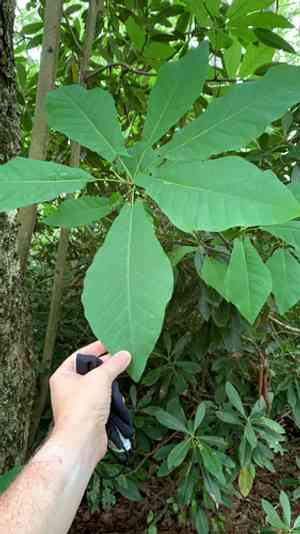
Originating from the Southeastern United States, this sizable, pyramidal tree produces aromatic blossoms prior to its foliage fully emerging. For fraser magnolia, trimming ought to concentrate on excising deceased or compromised branches and preserving a robust central trunk. Gentle shaping can be performed to even out the crown. The ideal period to prune fraser magnolia is in late winter or early spring, preceding the onset of new development. Pruning guarantees vigorous growth, boosts blooming, and averts structural problems. Caution should be exercised to avoid excessive pruning, given that fraser magnolia exhibits a moderate pace of growth.
Advantages of Trimming Fraser Magnolia
Advantages of Trimming Fraser Magnolia
Trimming fraser magnolia promotes robust development and maintains its attractive shape. Strategic removal of unhealthy branches stimulates new growth and preserves its inherent form, ensuring fraser magnolia's vitality and visual appeal.
Optimal Period for Pruning Fraser Magnolia
Optimal Period for Pruning Fraser Magnolia
Pruning fraser magnolia in late winter or early spring coincides with the plant's dormant phase, just before new growth begins. This timing minimizes disease risk and reduces plant stress, as wounds heal faster and sap loss is reduced. Pruning during these seasons also allows for the removal of any winter frost damage. Furthermore, since fraser magnolia blooms on the previous year's growth, late winter or early spring pruning ensures that flower buds are not inadvertently removed, which would otherwise diminish the blooming potential in the upcoming season. Pruning at this time helps maintain fraser magnolia's natural shape and supports vigorous growth and a healthy life cycle.
Tools Required for Pruning Fraser Magnolia
Hand Pruners
Essential for making precise cuts on fraser magnolia's young or slender branches, perfect for maintaining the plant's form and removing damaged or diseased wood.
Loppers
Useful for reaching thicker or higher branches, providing leverage for cutting through fraser magnolia's medium-sized branches while ensuring clean cuts for plant health.
Pruning Saw
Necessary for larger branches where hand pruners and loppers are insufficient, allowing for controlled cuts on fraser magnolia without causing split or frayed edges.
Pole Pruner
Beneficial for safely trimming elevated branches on fraser magnolia without a ladder, offering convenience and reducing injury risk.
Gardening Gloves
Protection for the gardenerâs hands while pruning fraser magnolia, ensuring safety from sharp tools and rough branches.
Shears
Not recommended for fraser magnolia, as they are typically used for shaping hedges and may not provide the clean cuts essential for this tree's health.
How to Prune Fraser Magnolia
Clean Tools
Before pruning fraser magnolia, ensure all pruning tools are clean and sharp to prevent disease spread and ensure clean cuts.
Inspect
Examine fraser magnolia closely to identify dead or diseased branches. Look for branches lacking leaves, having brittle bark, or showing visible signs of infection.
Remove Dead Branches
Using appropriate pruning shears, cut dead branches at their base where they connect to a larger limb or the trunk. Make a clean, smooth cut without leaving stubs.
Remove Diseased Branches
Carefully remove diseased branches by cutting at least several inches into healthy wood beyond the infected area to ensure complete removal of any diseased tissue.
Dispose
Properly dispose of all removed dead and diseased branches by burning or bagging them. Avoid composting as diseases can spread to other parts of the garden.
Common Pruning Errors with Fraser Magnolia
Excessive Pruning
Removing too much foliage in one session can stress fraser magnolia, leading to reduced flowering or even jeopardizing the plant's health. It's crucial to prune conservatively and avoid cutting more than 1/3 of the overall canopy.
Incorrect Cut Locations
Cutting too far from or too close to the nodes can result in stunted growth or disease. Cuts should be made at a 45-degree angle, approximately 1/4 inch above the node where a leaf bud is present.
Using Dull Tools
Dull or dirty pruning tools can cause unnecessary injury to fraser magnolia, resulting in jagged cuts that are more susceptible to infection. Always use clean, sharp tools to make clean cuts.
Ignoring Plant Structure
Not considering the natural form of fraser magnolia can lead to an unbalanced appearance and potentially harm the plant's structural integrity. Following the natural shape of the plant when pruning enhances aesthetic appeal and health.
Pruning Without A Plan
Randomly cutting branches without a clear objective can impact fraser magnolia's growth pattern and may remove flowering sites. Plan each cut to shape the plant and preserve as many of the flowering parts as possible.
General Pruning Advice for Fraser Magnolia
Target Dead Damaged Diseased
Initially focus on removing any dead, damaged, or diseased branches from fraser magnolia to maintain plant health and prevent disease spread. This cleanup is a priority in the pruning process.
Thinning Crowded Areas
Thin out areas where fraser magnolia's branches are overcrowded to improve air circulation and light penetration. This strategy promotes healthier and more vigorous growth.
Encouraging Lateral Growth
Encourage lateral growth by pruning just above buds facing the outside of the canopy. This technique helps fraser magnolia develop a fuller and more robust shape.
Consider Flowering Sites
Be aware that fraser magnolia sets buds on old wood. Prudently prune around existing buds to avoid cutting off potential blooms for the next season.
Gradual Rejuvenation
If rejuvenation is necessary, spread the process over several seasons. For an overgrown fraser magnolia, gradual pruning prevents shock and promotes recovery, leading to a more vigorous plant in the long term.



