How to Prune Southern magnolia?
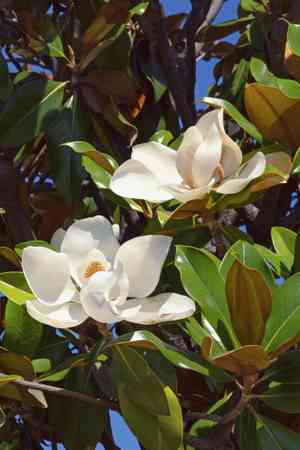
This perennial tree, recognized for its lustrous foliage and sizable, aromatic blossoms, thrives with trimming to preserve its form and vitality. Essential methods include excising deceased or compromised wood, thinning congested limbs to improve air movement, and shortening branch length to foster more abundant leaves. Magnolia grandiflora should undergo pruning in the colder months, during its inactive period, to lessen strain and prevent excessive sap drainage. Pruning not only enhances its aesthetic but also stimulates robust development and flower generation in the subsequent period.
What Are the Benefits of Pruning Southern Magnolia?
What Are the Benefits of Pruning Southern Magnolia?
Trimming southern magnolia encourages strong development and maintains its desired form. It ensures a sturdy framework and eliminates any unhealthy or dead limbs, fostering a neat look and boosting plant vigor.
What Is the Best Time for Pruning Southern Magnolia?
What Is the Best Time for Pruning Southern Magnolia?
Late winter is considered ideal because southern magnolia is dormant then, reducing plant stress and minimizing sap bleed, which can attract pests. Pruning before spring growth allows southern magnolia to recover and direct energy to new shoots. Additionally, branch visibility is better in winter when the plant is leafless, aiding strategic cuts that promote plant health and shape without affecting its bloom cycle.
What Tools Do I Need to Prune Southern Magnolia?
Hand Pruners
For southern magnolia, hand pruners are crucial for cutting smaller branches under 1/2 inch in diameter. They enable precise, clean cuts that help prevent plant damage.
Loppers
Southern magnolia may have thicker branches that hand pruners cannot manage. Loppers are perfect for branches up to 1 1/2 inches thick, providing leverage and reach.
Pruning Saw
For southern magnolia with mature, thick branches exceeding 1 1/2 inches in diameter, a pruning saw is essential. It will make cleaner cuts through larger wood without causing undue stress to the plant.
Pole Pruner
When dealing with southern magnolia's higher branches and ensuring ground-level safety, a pole pruner can be used to reach and cut branches typically up to 8 feet above the ground.
Gloves
Gardening gloves should be worn while pruning southern magnolia to protect hands from cuts and any potential skin irritants on the plant.
Cleaning Solution
To prevent disease spread when pruning southern magnolia, pruning tool blades should be disinfected with a cleaning solution like alcohol or a 10% bleach solution after each cut.
How to Prune Southern Magnolia
Step1: Identify Dead, Diseased, and Sucker Growth
Examine southern magnolia to locate dead branches, diseased wood, and sucker growth. Identification is vital for targeted trimming. Dead branches will be brittle with peeling bark, diseased wood shows signs of decay or infection, and sucker growth emerges from the plant's base or roots.
Step2: Sterilize Pruning Tools
Sterilize your pruning tools using a solution of one part bleach to nine parts water to prevent disease spread both before and after cutting.
Step3: Prune Dead Branches
Trim dead branches first. Use sharp, clean pruning shears or a saw, depending on branch thickness. Cut just outside the branch collar â the swollen area where the branch meets the trunk â to avoid damaging southern magnolia's main structure.
Step4: Remove Diseased Wood
Remove diseased wood next, ensuring all diseased areas are completely cut away. If the disease is widespread, prune branches well below affected areas. Dispose of diseased material promptly and do not compost.
Step5: Eliminate Sucker Growth
Cut sucker growth at ground level or as close to the main trunk as possible without damaging it. Sucker growth tends to drain energy from southern magnolia and can harm its overall health and aesthetic form.
Step6: Thin Out Canopy for Light and Air
Thin out the canopy if needed to increase light penetration and air circulation. Make selective cuts to remove branches that are crossing or rubbing against each other, prioritizing southern magnolia's health and structural integrity.
Step7: Shape for Aesthetics Respectfully
Shape southern magnolia carefully, if required for aesthetic reasons. Avoid heavy pruning as southern magnolia generally doesn't need it. Any shaping should maintain southern magnolia's natural growth habit.
Step8: Cleanup Pruning Debris
Clear all pruning debris from around southern magnolia to prevent potential fungal or pest issues. Proper waste disposal is crucial, especially if it contains any diseased material.
Step9: Mulch to Protect Roots
Apply a thin layer of mulch around southern magnolia's base, avoiding direct contact with the trunk, to help retain soil moisture and protect the roots.
Step10: Water After Pruning
Water southern magnolia thoroughly after pruning to aid recovery, unless the soil is already sufficiently moist.
Step11: Monitor Plant Health Post-Pruning
Monitor southern magnolia for signs of stress or further disease following pruning. Additional care may include adjusting watering schedules, fertilizer application, or further pruning if necessary.
Post-Pruning Care for Southern Magnolia
Post-Pruning Care for Southern Magnolia
After trimming southern magnolia, water the plant thoroughly to reduce transplant shock and support recovery. Position southern magnolia in partial shade to avoid sunburn on fresh cuts, and maintain moderate humidity. Avoid temperature extremes to prevent stress. Apply a balanced, slow-release fertilizer to enhance growth, avoiding over-fertilization. Regularly inspect southern magnolia for wilted leaves, discoloration, or sap oozing, indicators of stress or infection. If symptoms are detected, adjust care and consult an expert if necessary. Ensure soil moisture is consistent without overwatering.
Common Pruning Mistakes with Southern Magnolia
Overpruning Reduces Flowering Capacity
Excessive pruning, which can stress southern magnolia and reduce its ability to flower. Removing more than a third of the tree's canopy at one time is generally too much.
Avoid Cutting Into Non-Regenerative Old Wood
Trimming into the old wood of southern magnolia where there are no longer any green shoots, as this can prevent new growth since southern magnolia typically does not regenerate from old wood.
Dull or Unclean Tools Risk Disease
Using dull or unclean tools, which can result in jagged cuts and increase the risk of disease and pest infestation in southern magnolia.
Excessive Lower Branch Removal Causes Sunburn
Removing too many lower branches, which may expose the trunk to sunburn and affect southern magnolia's overall aesthetic shape.
Neglecting to Remove Dead or Diseased Wood Harmful
Failing to remove dead or diseased wood, which can impact southern magnolia's overall health and appearance.
Common Pruning Tips for Southern Magnolia
45-Degree Cuts Above Buds for Outward Growth
When removing branches, make cuts at a 45-degree angle, just above a bud facing the outside of the plant to encourage outward growth for southern magnolia.
Remove Crossing Branches to Prevent Disease
Prioritize removing any crossing, rubbing, or damaged branches to maintain a healthy structure and reduce the likelihood of disease in southern magnolia.
Follow Natural Form, Avoid Excessive Topiary
When shaping southern magnolia, follow its natural form and avoid excessive topiary, which can appear unnatural and may compromise the plant's health.
Use Sharp, Sterilized Tools for Clean Cuts
Always use sharp, sterilized pruning tools to ensure clean cuts that heal quickly on southern magnolia, minimizing stress and the risk of disease.
Thin Canopy to Boost Light, Airflow, and Growth
Thinning out the canopy to allow light and air to penetrate southern magnolia can reduce disease pressure and promote more robust growth.
Prune Central Leader with Caution
Be cautious about pruning the central leader, as this can affect the vertical growth and the overall form of southern magnolia.



