How to Prune Common moonseed?
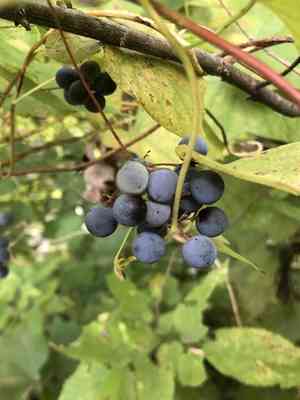
Given its climbing habit and fruit resembling grapes, common moonseed thrives with judicious trimming to preserve its vigor and control its expansion. Essential methods involve reducing crowded leaves and shortening elongated branches to robust side shoots. The ideal period for this maintenance is from late winter to early spring, while the plant is inactive, to stimulate fresh development. Trimming common moonseed helps curb its aggressive spread, enhances airflow, and lowers the occurrence of ailments, which is crucial for the plant's peak condition.
What Are the Benefits of Pruning Common Moonseed?
What Are the Benefits of Pruning Common Moonseed?
Trimming common moonseed promotes robust development by improving light exposure and air movement. It also assists in maintaining the plant's desired form, preventing excessive growth and potential issues from overcrowding.
What Is the Best Time for Pruning Common Moonseed?
What Is the Best Time for Pruning Common Moonseed?
The optimal periods for trimming common moonseed are late winter and early spring, prior to the emergence of new growth. Pruning during these times is beneficial because common moonseed is dormant, which lessens plant stress and minimizes the chance of disease and pest infestation that can arise from open wounds. It also helps to revitalize common moonseed's growth by removing dead or overgrown branches, ensuring the plant's energy is directed towards producing healthy new growth in the spring. Furthermore, pruning before spring's arrival offers a clearer view of the plant's structure, making it simpler for gardeners to shape the plant and preserve its natural form.
What Tools Do I Need to Prune Common Moonseed?
Hand Pruners
Perfect for making precise cuts on common moonseed's thinner stems and can be easily manipulated to access dense foliage.
Pruning Saw
Recommended for severing thicker stems and branches of common moonseed that are too large for hand pruners to manage without causing harm.
Loppers
Offer increased leverage and extended reach for trimming medium-sized stems and branches, ensuring clean cuts and fostering healthy growth in common moonseed.
Gloves
Safeguard hands from scratches and plant sap during the common moonseed pruning process, which can be vital when working with thick foliage.
Safety Glasses
Provide eye protection from airborne debris while cutting or trimming common moonseed, preserving the gardener's ocular health.
How to Prune Common Moonseed
Identify
Carefully inspect common moonseed to pinpoint diseased and withered leaves. Look for any discoloration, spots, or signs of decay, which could indicate illness, as well as leaves that are brown and brittle, suggesting they are dead or dying.
Disinfect
Before making any cuts, sanitize pruning shears with a solution of 1 part bleach to 9 parts water to prevent the spread of pathogens.
Trim Diseased
Gently remove diseased leaves by cutting at the stem's base, being careful not to harm healthy surrounding foliage. Make clean cuts and avoid tearing, which can create open wounds susceptible to infection.
Trim Withered
Remove withered leaves similarly by snipping them at the stem's base. Ensure that the pruning tool blades are sharp to provide a clean cut and promote rapid healing.
Cleanup
Collect and dispose of all trimmed diseased and withered leaves away from common moonseed to prevent any potential disease from spreading. Clean the pruning tools once again after you finish to maintain hygiene.
Common Pruning Mistakes with Common Moonseed
Overpruning
Cutting back too much of common moonseed's growth can weaken the plant, leading to poor vigor and reduced flowering.
Underpruning
Failure to remove enough of common moonseed's old or dead growth can result in a plant that is less healthy and aesthetically pleasing.
Improper Cut Locations
Making cuts in the wrong place can introduce disease and prevent common moonseed from healing properly.
Using Dull Tools
Pruning with dull tools can cause damage and torn limbs, which may expose common moonseed to diseases.
Dirty Equipment
Not sterilizing pruning tools before use can spread disease to common moonseed from other plants.
Neglecting Plant Form
Ignoring the natural shape of common moonseed during pruning can lead to a less attractive plant that does not grow as well.
Pruning Without Knowledge
Lacking an understanding of common moonseed's growth pattern can result in improper pruning that does not encourage desired growth and can harm the plant.
Common Pruning Tips for Common Moonseed
Sharp Clean Tools
Always use sharp, clean tools to make clean cuts on common moonseed, which will help the plant heal faster and stay healthy.
Prune For Shape
Trim common moonseed to maintain its natural form, which encourages healthy growth and enhances the plant's aesthetic appeal.
Remove Dead Material
Regularly remove dead or damaged branches from common moonseed to promote new growth and reduce the risk of disease.
Thin Dense Growth
Thinning out areas of dense growth on common moonseed can improve air circulation and light penetration, which is essential for the health of the plant.
Cut At Nodes
Make cuts just above the leaf nodes on common moonseed to encourage new growth and better branching.
Plan Before Cutting
Before making any cuts, plan your approach to pruning common moonseed so you preserve the plant's structure and encourage its natural growth pattern.
Disinfect Pruning Shears
Disinfect pruning shears before use on common moonseed to prevent the spread of pests and diseases.



