How to Prune Dawn redwood?
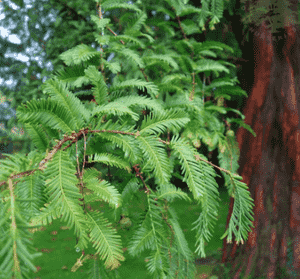
A coniferous tree that sheds its leaves, the dawn redwood is recognized for its rapid development and conical structure. Perform pruning on dawn redwood during late winter or early spring to eliminate branches that are dead, afflicted, or crossing. Thinning cuts enhance air movement and light access, which are crucial for its well-being and structural upkeep. Managing height and clearing lower branches are also pertinent. Thoughtful pruning honors its inherent shape and reduces strain, fostering robust growth and its characteristic seasonal needle presentation.
What Are the Benefits of Pruning Dawn Redwood?
What Are the Benefits of Pruning Dawn Redwood?
Trimming dawn redwood promotes robust growth and maintains its desired form. Strategic cuts enhance light penetration and air circulation, vital for the health and vigor of dawn redwood. Regular trimming also helps establish a strong framework, preventing damage from wind or heavy snow.
What Is the Best Time for Pruning Dawn Redwood?
What Is the Best Time for Pruning Dawn Redwood?
Late winter to early spring is the optimal period to prune dawn redwood as the plant remains dormant, reducing stress and simplifying shaping. Pruning before new growth starts ensures quick wound healing and directs the plant's energy towards spring growth. Additionally, the absence of leaves during this time offers better visibility for precise cuts and prevents disease spread, which is less active in cold weather. Avoid pruning in late fall or very early winter, as new growth might not have sufficient time to harden before frosts, potentially harming the plant.
What Tools Do I Need to Prune Dawn Redwood?
Hand Pruners
Perfect for clipping smaller branches, up to ½ inch in diameter, on young dawn redwood trees, ensuring clean cuts for healthy regrowth.
Lopping Shears
Suitable for cutting branches between ½ inch and 1 ½ inch thick, common for the semi-hardwood growth of dawn redwood.
Pruning Saw
Ideal for larger branches exceeding 1 ½ inches in thickness, which hand pruners and lopping shears cannot manage, ensuring smooth cuts on mature dawn redwood specimens.
Pole Pruner
Allows for the removal of higher branches without a ladder, making it safer and more convenient for pruning taller dawn redwood.
Hedge Shears
Appropriate for shaping dawn redwood hedges or for topiary work when a uniform look is desired, not typically used for routine pruning tasks.
Pruning Gloves
Protect hands from scratches and resin, especially important when working with dawn redwood's dense foliage.
How to Prune Dawn Redwood
Step1: Timing for Pruning
Determine the best time to prune dawn redwood, which is during its dormant period, usually late winter or early spring before new growth begins. This helps prevent disease transmission and promotes faster wound healing.
Step2: Tool Preparation
Prepare the appropriate tools for pruning dawn redwood, ensuring they are clean and sharp. Use bypass pruners for smaller branches, loppers for medium-sized branches, and a saw for larger limbs.
Step3: Dead Wood Inspection
Examine dawn redwood for any dead wood. These are branches without leaves or needles during the growing season and may appear dry or brittle. Dead wood can be pruned at any time of year.
Step4: Dead Branch Removal
Make precise cuts when removing dead wood from dawn redwood. Cut where the dead branch meets healthy wood, being careful not to damage the branch collar, the swelling at the base of the branch.
Step5: Detecting Diseased Branches
Look for diseased branches indicated by discoloration, lesions, or unusual growth. Diseased branches should be removed promptly to prevent spread to the rest of dawn redwood.
Step6: Pruning Diseased Limbs
Prune diseased branches by cutting well below the affected area, at least several inches into healthy wood. Sterilize cutting tools with alcohol or a bleach solution between cuts to prevent disease spread.
Step7: Identifying Broken Limbs
Inspect dawn redwood for broken limbs, often caused by severe weather or physical damage. Broken limbs should be pruned to prevent hazards and improve the plant's appearance.
Step8: Removing Broken Limbs
Remove broken limbs by cutting just above a lateral branch or bud. If the break is jagged, make a clean cut for better healing. Avoid leaving stubs, as they can lead to decay.
Step9: Shaping the Plant
After pruning dead, diseased, or broken parts, assess dawn redwood for overall shape. Prune for shape only if necessary to maintain its natural pyramidal form, avoiding over-pruning which can weaken the tree.
Step10: Disposal of Pruned Material
Dispose of all pruned material from dawn redwood, especially diseased branches, by burning if permitted, or bagging and discarding them to prevent potential disease transmission to other plants.
Post-Pruning Care for Dawn Redwood
Post-Pruning Care for Dawn Redwood
Immediately after pruning dawn redwood, ensure clean cuts to prevent infection. Maintain moderate soil moisture without waterlogging. Place dawn redwood in an area with bright, indirect light to aid recovery. Adjust humidity and protect from extreme temperatures. Post-pruning, delay fertilization until new growth appears to avoid root stress. Monitor dawn redwood regularly for wilted foliage or discoloration indicating distress. If signs of disease are present, apply appropriate fungicides or seek expert advice for treatment.
Common Pruning Mistakes with Dawn Redwood
Avoiding Over-Pruning to Protect Plant's Growth and Health
Over-pruning, which involves removing too much foliage, can significantly weaken dawn redwood, potentially leading to stunted growth or increased susceptibility to diseases and pests.
Using Sharp, Clean Tools for Healthy Pruning Cuts
Using dull or unclean tools can result in jagged cuts that are more vulnerable to infections, and potentially spread disease between plants.
Removing Diseased or Damaged Branches to Preserve Plant Health
Ignoring diseased or damaged branches can hinder dawn redwood's overall health and vitality, and may lead to further decay spreading throughout the tree.
Pruning with Clear Goals for Desired Shape and Structure
Pruning without a clear goal may lead to a misshapen or unbalanced appearance and can adversely affect the structural integrity of dawn redwood.
Avoiding Flush Cuts to Protect Branch Collar and Healing
Making cuts too close to the trunk or main branches, known as flush cuts, can damage the branch collar, impede the plant's natural healing process, and lead to decay.
Common Pruning Tips for Dawn Redwood
Ensuring Clean, Precise Cuts with Proper Pruning Tools
Use clean, sharp tools designed for pruning to make clean cuts that dawn redwood can quickly heal from. This also helps to minimize the risk of disease spread.
Removing Unhealthy Branches to Improve Plant Health and Appearance
Identify and remove any dead, diseased, or damaged branches to maintain the health and appearance of dawn redwood, cutting at an angle just above a healthy bud or branch junction.
Pruning to Maintain Natural Form and Avoid Over-Thinning
Focus pruning efforts on maintaining the natural pyramidal form of dawn redwood, removing only what is necessary to shape the tree and avoid excessive thinning of the canopy.
Thinning Crowded Branches for Better Airflow and Light
Thin out crowded branches to improve air circulation and light penetration, which is key for the prevention of disease and promotion of a strong structure.
Preserving Branch Collar for Proper Healing After Pruning
Make sure to leave the branch collar intact when removing branches to ensure proper healing. Do not cut too flush to the trunk or parent branch.



