How to Prune Four o'clock flower?
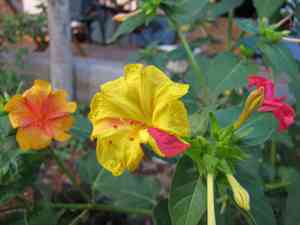
This enduring plant, featuring vibrant, trumpet-shaped blossoms, thrives with consistent trimming to boost its vitality. Essential pruning methods for Mirabilis jalapa involve removing faded flowers to stimulate additional blooming and shortening excessively long stems to preserve its form. Trimming should be performed between early spring and late summer. Important aspects include sterilizing pruning implements to avert the transmission of illnesses and the potential advantage of encouraging a subsequent wave of flowers. Pruning additionally facilitates managing its dimensions and achieving a more orderly look.
What Are the Benefits of Pruning Four O'clock Flower?
What Are the Benefits of Pruning Four O'clock Flower?
Trimming four o'clock flower promotes robust development and maintains its desired form. By selectively cutting back overgrown branches, four o'clock flower develops a stronger framework, leading to healthier and more abundant blooms.
What Is the Best Time for Pruning Four O'clock Flower?
What Is the Best Time for Pruning Four O'clock Flower?
Pruning four o'clock flower in early spring allows for removal of any winter damage before the plant resumes active growth, ensuring it has the energy to heal and reducing the risk of disease. Late summer pruning is beneficial as it provides a chance to remove spent flowers, which can encourage a second bloom and helps maintain the plant's shape and size. Avoiding pruning during active growth and flowering ensures that the plant can focus its energy on growth and reproduction, rather than healing from pruning. These seasons align with four o'clock flower's growth cycle, promoting health and vigorous blooming in this perennial plant.
What Tools Do I Need to Prune Four O'clock Flower?
Hand Pruners
Ideal for making clean cuts on four o'clock flower's stems, essential for maintaining plant shape and removing dead or diseased material. Hand pruners offer precision and are easy to maneuver for such a medium-sized plant.
Pruning Shears
Best suited for snipping thin stems and spent blooms of four o'clock flower, which promotes healthy growth and flowering. Their design is optimal for deadheading and light shaping.
Gardening Gloves
Protects hands from sap, which can be irritating to some skin types while working with four o'clock flower. Gloves also give better grip and protection against sharp edges during the pruning process.
Pruning Saw
Useful for cutting through woody stems of mature four o'clock flower plants that are too thick for hand pruners. A pruning saw will help manage thicker growth without damaging the plant.
Loppers
Can be employed for reaching into dense foliage of four o'clock flower and for trimming thicker stems, providing leverage and cutting power with minimal effort, which is less likely with hand pruners.
Cleaning Solution
For sterilizing pruning tools before and after use to prevent the spread of disease. Keeping tools clean helps maintain four o'clock flower's health.
How to Prune Four O'clock Flower
Step1: Optimal Pruning Timing
Identify the best time to prune four o'clock flower, which is in late winter or early spring, just before the new growth starts. This timing ensures the plant will quickly recover and grow vigorously.
Step2: Tools Sanitization
Sanitize your pruning tools before you start trimming four o'clock flower to prevent the spread of diseases. Use a solution of 1 part bleach to 9 parts water to disinfect your pruners.
Step3: Dead Flower Removal
Start by removing dead flowers from four o'clock flower to encourage new blooms and to maintain a neat appearance. Cut the spent flowers back to the base of the stem using sharp, clean shears.
Step4: Damaged Stem Trimming
Prune damaged stems by cutting them back to healthy wood. Make the cut at a 45-degree angle, approximately 1/4 inch above a leaf node or a branching point to promote healing and new growth.
Step5: Overgrowth Control and Shaping
To address overgrowth and shape four o'clock flower, selectively trim back the longest stems. Aim to create a balanced, pleasing shape by cutting back to a side shoot or leaf node. Do not remove more than one-third of the plant's overall growth in one pruning session.
Step6: Pruning Debris Cleanup
Clean up all trimmings from around the base of four o'clock flower to discourage pests and disease. Dispose of the prunings away from the garden to prevent any potential spread of issues.
Step7: Post-Pruning Watering
Water four o'clock flower thoroughly after pruning to help reduce stress on the plant and supply the necessary hydration for recovery and new growth.
Step8: Growth Monitoring and Fertilization
Monitor four o'clock flower for a few weeks after pruning to ensure new growth is healthy and vigorous. Apply a balanced, slow-release fertilizer if necessary to encourage blooming and robust growth.
Post-Pruning Care for Four O'clock Flower
Post-Pruning Care for Four O'clock Flower
Immediately after pruning four o'clock flower, irrigate the soil to promote healing and reduce stress. Maintain a temperate, humid environment with indirect sunlight to avoid scorching the pruned areas. Implement a balanced fertilization program, ensuring four o'clock flower receives adequate nutrients to support new growth. Regularly inspect four o'clock flower for any discoloration, wilting, or signs of infection, and if detected, apply appropriate fungicide or pest control measures promptly. Consistent follow-up care is crucial for four o'clock flower's recovery and further development.
Common Pruning Mistakes with Four O'clock Flower
Excessive Foliage Removal Weakens Plants
Over-pruning, which can stress four o'clock flower by removing too much foliage, potentially weakening the plant and reducing its ability to photosynthesize effectively.
Indiscriminate Pruning Damages Shape and Growth
Pruning indiscriminately without paying attention to the plant's natural shape, leading to an unsightly appearance or uneven growth patterns.
Improper Cuts Near Stem Hinder Growth
Cutting too close to the main stem or node, which may damage the plant's internal structures and inhibit new growth.
Dull Tools Lead to Disease and Slow Healing
Using dull or dirty pruning tools, which can create jagged cuts that are more prone to disease and may hinder the healing process.
Neglecting to Remove Dead or Diseased Stems
Ignoring dead or diseased stems, which can drain energy from four o'clock flower and spread disease to healthier parts of the plant.
Common Pruning Tips for Four O'clock Flower
Clean, Sharp Shears for Fast Healing
Use clean, sharp pruning shears to make clean cuts, which help four o'clock flower heal faster and reduce the risk of disease infection.
Prune to Preserve Natural Shape
Prune for shape by following the natural form of four o'clock flower. Trim selectively to preserve the balanced structure and enhance the overall aesthetics.
Cut Back to Healthy Tissue for New Growth
When removing dead or diseased material, cut back to healthy tissue to encourage four o'clock flower to produce new, healthy growth.
Angle Cuts for Directional Growth and Healing
Make cuts at a 45-degree angle about 1/4 inch above a leaf node or branching point to promote faster healing and new growth in the desired direction.
Thin Dense Areas for Better Air Circulation
During the pruning process, focus on thinning out dense areas to improve air circulation, which can help reduce the risk of fungal diseases for four o'clock flower.
Inspect for Pests and Diseases During Pruning
Regularly inspect four o'clock flower for any signs of pests or diseases when pruning, and take appropriate measures to address any issues promptly.



