How to Prune Red mulberry?
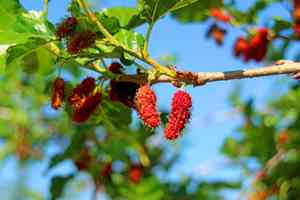
The red mulberry, a deciduous tree recognized for its fruit yield, thrives with pruning to boost berry production and preserve its well-being. Essential methods involve reducing crowded branches and eliminating lifeless or ailing wood. The most effective time for pruning is in late winter, thereby preventing sap leakage in the spring. For red mulberry specifically, pruning stimulates robust development and greater fruit harvests, simultaneously averting excessive density that lowers the chance of illness.
What Are the Benefits of Pruning Red Mulberry?
What Are the Benefits of Pruning Red Mulberry?
Trimming red mulberry guarantees a more plentiful yield by encouraging fruit development. It aids the plant in growing more robustly and fosters a desired form, enhancing its aesthetic appeal and structural soundness.
What Is the Best Time for Pruning Red Mulberry?
What Is the Best Time for Pruning Red Mulberry?
Pruning red mulberry in late winter is ideal as it ensures minimal impact on the plant's well-being. During this period, red mulberry is dormant, lessening the chance of sap loss and plant stress. Furthermore, the absence of leaves offers clearer visibility of the plant's structure, allowing for more precise cuts. This timing also minimally affects the subsequent seasons' flowering and fruiting, supporting a healthy harvest. Trimming in late winter encourages vigorous spring growth, as the plant directs its energy towards recovery and new development.
What Tools Do I Need to Prune Red Mulberry?
Hand Pruners
For young or slender branches of red mulberry, hand pruners offer accurate cuts. Perfect for shaping and removing smaller limbs up to 3/4 inch in diameter.
Loppers
Given thicker branches, loppers provide the extended reach and leverage necessary for branches 1.5 to 2 inches thick, typical of red mulberry's growth.
Pruning Saw
For mature and larger branches exceeding 2 inches in diameter on red mulberry, a pruning saw ensures clean cuts without harming the tree.
Pole Pruner
Red mulberry can grow quite tall; utilize a pole pruner to safely reach and trim higher branches without requiring a ladder.
Hedge Shears
If red mulberry is maintained as a hedge, hedge shears are suitable for shaping and trimming the foliage to promote a dense growth habit.
How to Prune Red Mulberry
Step1: Initial Plant Inspection
Examine the red mulberry for dead wood, damaged branches, and root suckers. This initial evaluation should occur during the dormant season, ideally in late winter or very early spring before new growth commences.
Step2: Dead Wood Removal
Begin by removing all dead wood. Identify dead branches by their brittle nature and dull, lifeless appearance. Make cuts at a slight angle with clean, sharp pruning tools approximately 1/4 inch above an outward-facing bud to encourage outward growth.
Step3: Damaged Branch Pruning
Next, prune damaged branches. Look for branches exhibiting signs of disease or injury. Cut these branches back to a healthy section, ensuring no stubs are left behind as they can invite disease and pests.
Step4: Root Sucker Elimination
Address root suckers by removing them as close to their origin as possible. Root suckers drain energy from the main red mulberry and can result in a disheveled look. Use sharp, sterilized pruning shears or a saw for larger suckers, making clean cuts to prevent root damage.
Step5: Plant Shaping and Thinning
Shape the red mulberry after removing dead, damaged wood and suckers. Thin the tree to improve air circulation and light penetration. Remove any crossing branches or those growing inward towards the tree's center. Cut just before a growth node or bud facing the desired direction of new growth.
Step6: Pruning Debris Cleanup
Clear all pruned material from around the red mulberry to prevent the spread of disease and pests. Dispose of or compost the waste, excluding any diseased material, which should be burned or discarded in the trash.
Step7: Pruning Tool Sterilization
Sterilize your tools before and after pruning the red mulberry to minimize disease transmission. Use a solution of 1 part bleach to 9 parts water or a commercial disinfectant recommended for garden tools.
Step8: Post-Pruning Monitoring
Monitor the red mulberry after pruning for signs of stress or disease. Proper care, including mulching, watering, and feeding, can help the red mulberry recover from pruning and maintain healthy growth throughout the growing season.
Post-Pruning Care for Red Mulberry
Post-Pruning Care for Red Mulberry
Immediately after trimming red mulberry, shield it from intense sunlight while ensuring it still receives filtered light. Maintain ambient humidity and stable temperatures to reduce stress. Apply balanced, slow-release fertilizer to replenish nutrients, aiding red mulberry's recovery. Watch for wilting or discoloration as indicators of distress. If infection is suspected, treat promptly with an appropriate fungicide or bactericide. Regular observation allows for timely intervention for red mulberry's robust regrowth.
Common Pruning Mistakes with Red Mulberry
Over-Pruning and Excessive Foliage Removal
Trimming too aggressively and removing too much foliage at once, which can stress red mulberry and hinder its growth.
Improper Cuts Damaging Collar and Trunk
Making cuts too close to the main trunk or parent branch, which can harm the plant's natural collar and impede proper healing.
Using Dull or Dirty Pruning Tools
Employing dull or unclean pruning tools, leading to jagged cuts that attract pests and disease.
Neglecting Diseased or Damaged Branches
Ignoring diseased, dead, or damaged branches, which can be detrimental to the overall health of red mulberry.
Leaving Stubs Attracting Pests and Disease
Leaving stubs when cutting branches, which can attract pests and disease while also being unsightly.
Common Pruning Tips for Red Mulberry
Clean Cuts with Sharp Tools for Quick Healing
Use sharp, clean tools to make precise cuts on red mulberry, which will help prevent disease and facilitate faster healing.
Remove Only Dead or Diseased Wood
Focus on removing only dead, diseased, or damaged wood to maintain red mulberry's health and shape without encouraging excessive new growth.
Prune Above Buds at Correct Angle for Runoff
Prune just above a bud or branch junction, aiming for an angle that allows water to drain off the cut surface to prevent rot.
Thin Canopy to Allow Light and Air Penetration
Thin out the canopy of red mulberry to allow light and air to penetrate, promoting a healthier structure and reducing the risk of disease.
Prune to Direct New Growth Effectively
When shortening branches, cut back to a lateral branch or bud that faces the direction you want new growth to follow to shape red mulberry effectively.
Regular Inspection and Pruning of Suckers and Sprouts
Inspect red mulberry regularly and prune as needed to remove any suckers or water sprouts, which consume energy without adding to the plant's productivity.



