How to Prune Poet's narcissus?
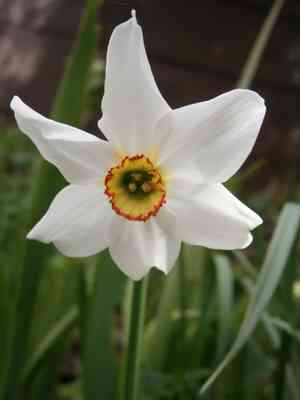
Celebrated for its aromatic, pristine petals featuring a crimson central corona, Narcissus poeticus flourishes with post-flowering trimming. Remove faded blossoms to stimulate vigorous development. Trim back leaves exclusively once they turn yellow, guaranteeing energy replenishment to the bulbs. The most effective pruning takes place in late winter or early spring. This regimen enhances flowering strength and bulb vitality, simultaneously hindering seed scattering which reduces floral output.
What Are the Benefits of Pruning Poet's Narcissus?
What Are the Benefits of Pruning Poet's Narcissus?
Trimming poet's narcissus promotes robust development and maintains its form. Strategic cuts encourage new, healthy shoots and prevent a messy look.
What Is the Best Time for Pruning Poet's Narcissus?
What Is the Best Time for Pruning Poet's Narcissus?
This timing is perfect as it comes before poet's narcissus's spring growth surge, ensuring minimal stress and quick healing for cut areas. In late winter, the plant is inactive, meaning sap isn't flowing, which lowers the risk of sap loss and disease entry through cuts. Pruning in early spring allows gardeners to shape the plant and remove any dead or damaged leaves before new growth begins, thus directing the plant's energy into producing healthy shoots and blooms. It's also the period after poet's narcissus has finished blooming, which usually happens in late spring and summer. Removing spent flowers and any extra growth at this time helps stimulate new flower buds for the next season and keeps the plant looking good.
What Tools Do I Need to Prune Poet's Narcissus?
Sharp Scissors or Snips
For poet's narcissus, which has delicate flower stems, sharp scissors or snips can cut cleanly without harming the plant. Precise cuts help prevent disease and reduce stress on poet's narcissus.
Hand Pruners
Hand pruners are suitable for trimming dead or fading leaves. They provide a clean cut essential for the health of poet's narcissus, ensuring minimal damage to the live foliage.
Gloves
Wearing gloves protects the gardener's hands from sap and any rough foliage while handling poet's narcissus. This is a general safety measure for handling all garden plants.
Disinfectant
Tool sanitation is crucial. Disinfectants should be used between cuts to prevent the spread of disease to and from poet's narcissus.
Garden Shears
For larger clumps or for cutting back multiple leaves at once, garden shears are practical. Poet's narcissus sometimes has crowded foliage that may require thinning.
How to Prune Poet's Narcissus
Step1: Post-Flowering Trimming Timing
Wait for poet's narcissus to bloom and complete its flowering cycle. Pruning or trimming should be done after the flowers have faded and withered but before the plant starts to die back naturally.
Step2: Tool Sterilization for Disease Prevention
Gather the appropriate tools for trimming poet's narcissus. A pair of clean, sharp scissors or pruning shears is suitable for the job. Sterilize your cutting tool with rubbing alcohol or a bleach solution to prevent the spread of diseases.
Step3: Dead Flower Identification
Identify the dead flowers of poet's narcissus you intend to trim. Look for blooms that have lost their color and are wilting or browning at the edges.
Step4: Careful Deadhead Trimming
Trim the dead flowers by cutting the flower stalk just below the spent bloom. Be careful not to damage any nearby buds or flowers that are still healthy and intact.
Step5: Wilted Leaf Detection
Inspect poet's narcissus for any wilted, yellow, or brown leaves. These typically appear at the base of the plant or along the stem.
Step6: Gentle Removal of Faded Leaves
Carefully remove the wilted leaves by cutting them off at the base of the stem. Make sure not to pull or tear the leaves, as this can damage poet's narcissus's bulb and the remaining healthy foliage.
Step7: Proper Disposal of Plant Debris
Dispose of all trimmed parts properly, such as by composting them or placing them in the green waste, to avoid any potential disease spread.
Step8: Post-Trimming Plant Care
Water poet's narcissus and provide proper care after trimming. Ensure poet's narcissus receives adequate moisture and does not sit in waterlogged soil, which can lead to bulb rot.
Step9: Pest and Disease Monitoring
Monitor poet's narcissus for any signs of pests or diseases following pruning. Early detection and treatment can prevent further damage.
Step10: Leave Healthy Foliage for Photosynthesis
Avoid cutting back the foliage until it has yellowed and died back naturally. The leaves are essential for photosynthesis, which helps poet's narcissus to store energy in the bulb for the next flowering season.
Post-Pruning Care for Poet's Narcissus
Post-Pruning Care for Poet's Narcissus
Immediately after pruning poet's narcissus, water thoroughly to reduce stress. Ensure poet's narcissus is in well-lit conditions, but avoid direct, harsh sunlight. Maintain moderate humidity and ambient temperature between 50-70°F. Apply a balanced, slow-release fertilizer to support root and foliage recovery. Regularly inspect poet's narcissus for wilting or discolored leaves, indicative of stress or disease. If symptoms appear, isolate poet's narcissus and adjust care as needed to promote health.
Common Pruning Mistakes with Poet's Narcissus
Over-Pruning Reduces Photosynthesis
Pruning too much foliage which can weaken poet's narcissus by reducing its ability to photosynthesize effectively.
Damaging Bulb with Improper Cutting
Cutting into the bulb or basal plate when removing dead foliage, as this can create entry points for disease or damage the plant.
Early Removal of Flowers and Seed Heads
Removing spent flowers and seed heads too early, not allowing poet's narcissus to properly redirect nutrients back to the bulb for the following season.
Using Dull or Dirty Pruning Tools
Using dull or dirty pruning tools, which can tear the foliage and introduce pathogens to poet's narcissus.
Premature Pruning of Green Foliage
Pruning living green foliage right after flowering instead of waiting for it to die back naturally and turning yellow, which can diminish poet's narcissus's energy reserves for next season's growth.
Common Pruning Tips for Poet's Narcissus
Remove Withered Foliage with Clean Tools
Once the foliage has yellowed and withered, gently remove it by hand or with clean, sharp scissors to prevent damage to poet's narcissus's bulb and promote a tidy appearance.
Deadhead Flowers Above Flower Stalk Base
When deadheading spent flowers, make a clean cut just above the base of the flower stalk to encourage energy to be reabsorbed by the bulb rather than spent on seed production.
Disinfect Tools to Prevent Disease Spread
Sanitize pruning tools before and after use on poet's narcissus to prevent the spread of diseases that can be detrimental to the plant's health.
Prune Only Dead or Diseased Parts
Remove only the dead or diseased foliage and flower stalks to maintain the aesthetic of poet's narcissus without impacting its growth cycle.
Careful Pruning to Avoid Damage to Bulb
Ensure that pruning is performed carefully around poet's narcissus to avoid unintentional damage to the surrounding plants or the bulb of poet's narcissus itself.



