How to Prune Chinese sacred lily?
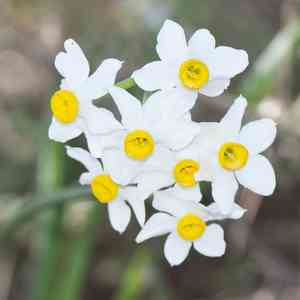
Distinguished by its aromatic, white and yellow blossoms, chinese sacred lily flourishes with infrequent trimming. Following the blooming period, snip off faded flowers to hinder seed development. Eliminate any withered or compromised leaves. Optimal pruning occurs in late winter or early spring to foster vigorous development. Pruning aids chinese sacred lily by preserving the plant's well-being and vitality, encouraging the subsequent season's flowers. Refrain from extensive cutting to safeguard the bulb's stored energy.
What Are the Benefits of Pruning Chinese Sacred Lily?
What Are the Benefits of Pruning Chinese Sacred Lily?
Trimming chinese sacred lily promotes robust development and helps keep its desired shape, which is vital for both appearance and health. This fosters a strong plant with improved vigor.
What Is the Best Time for Pruning Chinese Sacred Lily?
What Is the Best Time for Pruning Chinese Sacred Lily?
These periods are considered ideal for pruning chinese sacred lily due to the plant's dormant growth phase. During late winter and early spring, the plant remains inactive, experiencing minimal stress from pruning. This timing ensures the plant can recover from cuts before the onset of vigorous spring growth. It also helps prevent the spread of diseases that are less active in colder temperatures. Finally, trimming at this time allows for shaping the plant as it prepares to invest energy into new growth, ensuring abundant blooms in the subsequent season.
What Tools Do I Need to Prune Chinese Sacred Lily?
Hand Pruners
Essential for making precise cuts on faded flower stems, ensuring the health and visual appeal of chinese sacred lily.
Scissors
Perfect for trimming small or delicate parts of chinese sacred lily, such as removing withered flowers for a tidy look.
Gloves
Protects hands from sap and ensures a secure grip when handling chinese sacred lily.
Disinfectant
Used to sanitize pruning tools before and after trimming chinese sacred lily to prevent disease transmission.
How to Prune Chinese Sacred Lily
Step1: Timing for Pruning After Bloom
Wait until chinese sacred lily has finished flowering before beginning any pruning to avoid disrupting its bloom cycle. Pruning is best performed in late spring or early summer, immediately after chinese sacred lily has completed its bloom.
Step2: Removing Spent Flower Heads
Start with dead flowers. Using clean, sharp scissors or pruning shears, snip off the faded flower heads at the base of the bloom stalk, just above the nearest healthy leaves. Avoid cutting off any developing seed pods unless you do not wish the plant to self-seed.
Step3: Wilted Leaves Removal
Inspect chinese sacred lily for any withered leaves. Remove these by gently pulling them from the base if they detach easily, indicating they are dead. If resistance is met, use your shears to cut the leaf at its base, close to the bulb, being careful not to harm the bulb itself.
Step4: Cutting Back Dead Stalks
Address the brown stalks. After flowering, some stalks may turn brown and die back. Cut these stalks down to ground level, as close to the plant's base as possible without damaging any new growth or shoots.
Step5: Clearing Plant Debris
Remove any debris, such as trimmed dead flowers, wilted leaves, and brown stalks, from around chinese sacred lily. This helps prevent disease and pests from affecting the freshly pruned plant.
Step6: Pruning Tool Disinfection
Clean your pruning equipment with a bleach or rubbing alcohol solution to prevent the spread of plant diseases between your chinese sacred lily plants or to other garden plants.
Step7: Post-Pruning Plant Monitoring
Monitor chinese sacred lily after pruning for any signs of new growth or stress. Water the bulbs if necessary, maintaining consistent soil moisture to encourage recovery and healthy growth, but avoid overwatering as chinese sacred lily dislikes soggy soil.
Step8: Fertilizing After Pruning
Finally, apply a balanced fertilizer if pruning occurs at the end of the blooming period to provide chinese sacred lily with essential nutrients for vigorous growth in the next season.
Post-Pruning Care for Chinese Sacred Lily
Post-Pruning Care for Chinese Sacred Lily
Immediately after pruning chinese sacred lily, ensure ample water to support healing. Post-pruning, maintain moderate sunlight and prevent exposure to extreme temperatures. Balance humidity, considering chinese sacred lily's preference for drier conditions. Initiate light fertilization with a balanced, slow-release fertilizer to aid in recovery and sustain growth. Regularly inspect for signs of stress, such as wilting or discoloration, and for infection indicators like rot. If detected, isolate chinese sacred lily and apply appropriate fungicides or pest control measures promptly.
Common Pruning Mistakes with Chinese Sacred Lily
Over-pruning Live Foliage and Flowers
Trimming healthy foliage and flowers instead of only removing spent blooms and dead or dying leaves. This can diminish the vitality and flowering potential of chinese sacred lily.
Premature Foliage Trimming Post-Blooming
Cutting back the foliage immediately after flowering rather than allowing it to naturally wither. This action can hinder the plant's ability to store energy for the subsequent growing season.
Aggressive or Improper Bulb Pruning
Pruning too aggressively or too close to the bulb, which can harm the plant and potentially lead to bulb rot or disease.
Common Pruning Tips for Chinese Sacred Lily
Deadheading Spent Flowers to Encourage Blooming
Focus on deadheading, which involves removing only the faded flowers right below the bloom's base. This prevents chinese sacred lily from expending energy on seed production and can encourage the return of robust flowers the following year.
Removing Dead Foliage for Nutrient Preservation
Remove yellow or brown foliage, but only after it has completely died back. This helps to preserve the nutrients returning to the bulb and ensures the ongoing health of chinese sacred lily.
Using Sharp Tools for Clean Pruning Cuts
Use clean, sharp scissors or pruning shears to make precise cuts when removing dead material, minimizing the risk of disease and physical damage to the plant.



