How to Prune Boston fern?
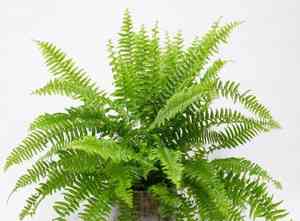
This verdant, perennial fern flourishes in humid, low-light conditions. To preserve boston fern's vitality and aesthetic, detach withered or discolored fronds from their origin. Trimming is best performed in early spring or late winter to stimulate new development and enhance airflow. Consistent removal of aged fronds fosters abundant, thick foliage and discourages insect problems, safeguarding boston fern's lively charm.
What Are the Benefits of Pruning Boston Fern?
What Are the Benefits of Pruning Boston Fern?
Trimming boston fern encourages robust development by eliminating old or crowded fronds, improving air circulation, and light penetration. It maintains a compact, appealing form and can deter pest infestations, fostering a healthier and more attractive plant.
What Is the Best Time for Pruning Boston Fern?
What Is the Best Time for Pruning Boston Fern?
These periods are considered ideal as they precede boston fern's active growth phase, which typically starts in spring. Pruning at this time promotes vigorous new growth and allows the plant to recover quickly without stressing it during its most energetic stage. Late winter pruning ensures the removal of any dead or damaged fronds before the new growing season begins, and early spring pruning shapes the plant and encourages denser foliage. Additionally, boston fern does not have a flowering or fruiting period to consider, which simplifies the timing of pruning.
What Tools Do I Need to Prune Boston Fern?
Sharp Scissors or Snips
For a plant like boston fern, which has delicate fronds, sharp scissors or snips are essential. They allow for clean cuts that minimize damage to the remaining fronds and prevent tearing, which can lead to disease and pest issues.
Gloves
While gloves are not a tool for the cutting itself, they are essential for protecting the gardener's hands when pruning boston fern. Since the foliage can be quite dense, gloves help prevent scratches and irritation from plant debris.
Rubbing Alcohol or Disinfectant
It is critical to use a disinfectant on pruning tools before and after trimming boston fern to prevent the spread of pests and diseases. This is a key step in the pruning process to ensure the health of the plant.
How to Prune Boston Fern
Step1: Assembling Pruning Tools
Gather your pruning tools which should include sharp scissors or pruning shears, and gloves to protect your hands. Make sure your tools are clean to prevent spreading any diseases to boston fern.
Step2: Identifying Unhealthy Fronds
Examine boston fern thoroughly to locate the dead, brown, or yellow fronds which are typically older and can be found on the outer and lower parts of the plant.
Step3: Cutting Dead Fronds at Base
Start pruning by removing dead fronds. Carefully cut each dead frond at the base, near the soil line, or where it naturally meets the main body of boston fern. Ensure the cuts are clean and avoid damaging the healthy fronds.
Step4: Trimming Brown Necrotic Fronds
Continue by trimming brown fronds. Target only the brown, necrotic portions of the fronds. If the whole frond is brown, remove it at the base as with dead fronds.
Step5: Pruning Yellow Fronds Precisely
Prune yellow fronds following the same procedure as for brown fronds. If the yellowing is only at the tips, you can make a precise cut just before the healthy, green tissue starts.
Step6: Thinning for Better Airflow
After removing the undesirable fronds, examine boston fern for unhealthy or overcrowded growth. Thin these areas as necessary by selectively pruning the fronds to improve air circulation and plant shape.
Step7: Shaping the Plant
Shape boston fern by trimming uneven or too long fronds to maintain a pleasing, balanced appearance. Always cut above a leaf node to promote healthy regrowth.
Step8: Proper Disposal of Trimmings
Dispose of the removed fronds properly, placing them in a compost bin or disposing of them according to local regulations. Avoid leaving any cut fronds on the soil as they can attract pests or facilitate disease.
Step9: Watering Post-Pruning
Water boston fern deeply after pruning, which helps reduce stress on the plant and encourages new growth. Ensure that the potting mix is well-draining to prevent root rot.
Step10: Monitoring Plant Recovery
Monitor boston fern over the next few weeks to ensure it is responding positively to the pruning. Look out for new growth, which is a sign of a healthy, thriving plant.
Post-Pruning Care for Boston Fern
Post-Pruning Care for Boston Fern
After pruning boston fern, immediately mist leaves to maintain high humidity, crucial for recovery. Place boston fern in bright, indirect light and ensure a consistent temperature of 65-75°F. Resume a diluted, balanced fertilizer regimen every 4 weeks to replenish nutrients. Monitor boston fern regularly for wilting or discoloration, indicating stress or disease.
Common Pruning Mistakes with Boston Fern
Avoid Dull or Dirty Pruning Tools
Using dull or dirty cutting tools, which can damage the fronds of boston fern and introduce diseases.
Prevent Over-Pruning and Preserve Lushness
Pruning too aggressively, removing healthy fronds alongside the damaged or diseased ones could hinder boston fern's fullness and lush appearance.
Dispose of Pruned Fronds to Prevent Pests
Discarding pruned fronds carelessly can lead to pest problems, as the detritus encourages pests that might later infest boston fern.
Common Pruning Tips for Boston Fern
Sterilize Shears for Disease Prevention
Sterilize your shears or scissors before using them on boston fern to prevent the spread of disease.
Trim Brown Fronds to Boost Health
Focus on removing brown or yellowing fronds at the base to improve air circulation and the overall health of boston fern.
Inspect for Pests or Disease Pre-Prune
Conduct a thorough visual inspection of boston fern to identify any fronds that show signs of pests or disease before starting to prune.
Cut Dead Fronds Near Soil Line Carefully
Snip off the dead fronds close to the soil line, where the stem meets the dirt, but be careful not to cut the healthy, green parts of boston fern.
Clear Pruned Debris to Reduce Disease/Pest Risk
Clean up all pruned material from around boston fern immediately after pruning to maintain a healthy growing environment and lower disease and pest risk.
Provide Post-Pruning Care for New Growth
After pruning boston fern, ensure proper care by misting regularly and maintaining adequate humidity to promote healthy new growth.



