How to Prune Oleander?
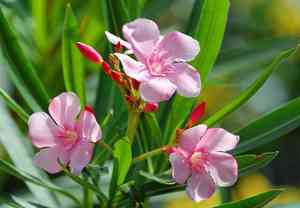
This resilient shrub, recognized for its vivid, poisonous flowers and drought resistance, greatly thrives with appropriate trimming. For oleander, eliminate any deceased or compromised branches and sculpt the plant after its flowering period. Pruning in early spring or winter stimulates vigorous development and preserves a dense form, preventing an elongated appearance. Exercise caution due to the plant's toxicity; utilize gloves and discard cuttings securely. Trimming not only improves the abundance of blossoms but also fosters the plant's overall well-being and strength.
What Are the Benefits of Pruning Oleander?
What Are the Benefits of Pruning Oleander?
Trimming oleander encourages robust growth and blooming, deters pests and diseases, maintains desired form and size, and ensures a strong, visually appealing look.
What Is the Best Time for Pruning Oleander?
What Is the Best Time for Pruning Oleander?
In early spring, trimming oleander is beneficial as the plant is just emerging from dormancy, promoting vigorous growth in response to cuts. This timing allows for quick healing of pruning wounds and new shoot development before summer. This period is also after the last frost, preventing damage to fresh cuts. Winter is another suitable time since the plant is dormant, reducing stress or interruption to its growth cycle. Pruning during dormancy also minimizes sap loss, which can attract pests, and offers better visibility of the plant's structure without leaves. However, in areas with harsh winters, delay pruning until severe cold threats have passed to avoid frost damage to cuts.
What Tools Do I Need to Prune Oleander?
Bypass Pruners
Perfect for making clean cuts on oleander's smaller stems and branches up to 1/2 inch in diameter. The bypass action ensures a sharp, precise cut, minimizing tissue damage, which is vital for oleander's health.
Loppers
Ideal for cutting through thicker oleander branches up to 1 1/2 inches in diameter. Long handles provide leverage for cutting tough wood without straining the gardener, ensuring clean cuts for healthy regrowth.
Pruning Saw
Essential for removing mature or large oleander branches over 1 1/2 inches thick. A pruning saw can handle larger branches that bypass pruners and loppers cannot, without tearing or crushing stems.
Gloves
Highly recommended to protect hands when trimming oleander, as its sap is toxic and can cause skin irritation or allergic reactions. Thick gloves also offer a better grip on tools.
Eye Protection
Oleander's branches can snap and cause injury during pruning. Safety glasses or goggles will shield eyes from potential harm.
Long-sleeved Clothing
Crucial for protecting skin from potential contact with oleander's toxic sap during the pruning process.
How to Prune Oleander
Step1: Personal Safety Precautions
Wear protective gloves and eyewear to guard against oleander's toxic sap.
Step2: Tool Sterilization
Use clean, sharp pruning shears or loppers. Disinfect tools with rubbing alcohol or a 10% bleach solution before and after trimming oleander.
Step3: Dead Wood Removal
Begin by removing dead wood. Identify branches that show no green when lightly scratched with a fingernail.
Step4: Cutting Angle and Placement
Make each cut at a 45-degree angle, about 1/4 inch above a healthy outward-facing leaf node or bud. This promotes growth away from the oleander's center.
Step5: Damaged Branches Pruning
Next, prune damaged branches using the same method as for dead wood. Remove broken, diseased, or significantly damaged branches.
Step6: Deadheading for Bloom Enhancement
Deadhead spent flowers by cutting the flower stem back to the first set of healthy leaves. This encourages a longer blooming period for oleander.
Step7: Eliminating Weak Growth
Trim weak branches that are thin, spindly, or show signs of weakness, as these can detract from the plant's vigor and appearance.
Step8: Shaping the Plant
After removing all dead, damaged, and weak growth, step back to assess oleander's shape. If needed, prune for shape by cutting back overgrown branches to maintain a balanced, pleasing form.
Step9: Seasonal Timing
Ensure all pruning is done during the correct season, which is late winter or early spring for oleander, to avoid disrupting the bloom cycle.
Step10: Toxic Waste Disposal
Safely dispose of all pruned material, especially since oleander's parts are toxic and should not be ingested by people or animals.
Step11: Post-Pruning Care
Water oleander deeply after pruning to aid recovery from stress and encourage new growth.
Post-Pruning Care for Oleander
Post-Pruning Care for Oleander
After trimming oleander, water it immediately to help reduce stress. Maintain bright, indirect light, and ensure the environment isn't too cold; oleander thrives above 20°C (68°F). Post-pruning, the plant is vulnerable, so keep humidity moderate. Wait a few weeks before fertilizing to avoid burning tender new growth. Monitor for wilting or discoloration, which could indicate stress or disease. If signs of infection appear, such as unusual spots or decay, treat promptly with appropriate fungicide or pesticide.
Common Pruning Mistakes with Oleander
Avoid using dull or contaminated tools
Using blunt or dirty pruning tools, which can harm oleander branches and increase disease risk.
Do not excessively remove foliage
Pruning too aggressively and removing too much foliage at once, potentially stressing or disfiguring the plant.
Properly dispose of toxic clippings
Neglecting to properly dispose of pruned material, which is especially important for oleander due to its toxic nature.
Wear protection against toxic sap
Failing to wear protective gloves and long sleeves when trimming oleander, as its sap is highly toxic and can cause skin irritation or more serious health issues.
Ensure proper cut angles for healing
Not making clean cuts at the correct angle and position, which can impede the plant's natural healing process and growth patterns.
Common Pruning Tips for Oleander
Use sharp and sterile pruning tools
Always use sharp, clean pruning tools when cutting back oleander to ensure precise cuts and reduce infection risk.
Thin branches for air and light
Thin out crowded branches to improve air circulation and light penetration, promoting healthy growth and reducing disease pressures.
Prune to healthy buds for shape
Cut back overgrown branches to a healthy outward-facing bud to encourage a more aesthetically pleasing shape and better flowering.
Remove unhealthy growth promptly
Remove any dead, damaged, or diseased growth as soon as it is noticed to maintain plant vigor and aesthetic appeal.
Follow plant's natural form when pruning
Follow oleander's natural form when pruning, and avoid over-shaping, which can result in a less natural-looking and potentially less healthy plant.
Use protective gear for toxic sap
Wear appropriate protective gear such as gloves, long sleeves, and eye protection to safeguard against oleander's toxic sap.
Create an even branch structure
Prune oleander with the goal of maintaining an evenly spaced framework of main branches, which will support a healthy structure for foliage and blooms.
Dispose of pruned material safely
Dispose of pruned material responsibly by bagging and removing it from the site to prevent accidental ingestion by people or pets.
Cut at angles for water runoff
Complete cutting actions on branches with smooth, angled cuts that slope away from buds to encourage water runoff and prevent rot.



