How to Prune Tree tobacco?
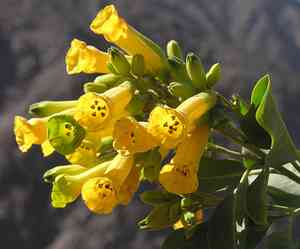
Hailing from Argentina, Nicotiana glauca is identifiable by its yellow, tube-shaped blossoms and bluish-green leaves. Encourage robust development by excising deceased or ailing branches and sculpting the plant during its vigorous growth period, spanning from early spring through late autumn. Eliminating basal shoots and judiciously thinning branches improves air circulation and light exposure. Strategic pruning is also vital for controlling its aggressive proliferation, fostering a greater abundance of flowers, and curbing unwanted dissemination.
What Are the Benefits of Pruning Tree Tobacco?
What Are the Benefits of Pruning Tree Tobacco?
Trimming tree tobacco encourages robust development and helps maintain its desired form. Proper cutting back manages size, improves structure, and prevents excessive growth, leading to healthier, more controlled development.
What Is the Best Time for Pruning Tree Tobacco?
What Is the Best Time for Pruning Tree Tobacco?
Pruning tree tobacco in early spring, prior to new growth, allows for the removal of winter frost damage and shapes the plant as it enters its active growth phase. Late autumn is also suitable as tree tobacco goes dormant; pruning helps eliminate old growth and may reduce pest and disease pressure the following season. These periods ensure the plant's energy is directed towards healing cuts and producing healthy new growth, rather than flowering or sustaining old, potentially unproductive or diseased branches.
What Tools Do I Need to Prune Tree Tobacco?
Hand Pruners
For cutting smaller stems and branches of tree tobacco, hand pruners are ideal. They should be sharp and clean to make precise cuts and avoid disease transmission.
Lopping Shears
When the branches of tree tobacco become too thick for hand pruners, lopping shears allow for the cutting of thicker branches. Their long handles provide leverage to make the task easier.
Pruning Saw
For the thickest branches of tree tobacco, a pruning saw can handle the job. It allows for clean cuts without damaging the surrounding plant tissue.
Gloves
To protect the hands from tree tobacco's potentially harmful sap and rough surfaces, wearing gloves is recommended.
Safety Glasses
When pruning tree tobacco, wearing safety glasses can protect the eyes from flying debris or sap.
How to Prune Tree Tobacco
Step1: Timing Pruning for Dormant Plants
Begin pruning tree tobacco in late winter or early spring before new growth starts. This helps the plant focus its energy on healthy branches as it emerges from dormancy.
Step2: Sterilization of Pruning Tools
Sterilize your pruning tools with alcohol or a bleach solution to prevent the spread of diseases. Clean the tools between cuts if you're removing diseased parts.
Step3: Pruning Diseased Plant Parts
Identify diseased parts by their discoloration, unusual growth patterns, or signs of decay. Prune these areas back to healthy tissue by making a cut 5-10 cm below the affected area.
Step4: Removing Dead Wood
Remove any dead wood by cutting it at the point where it meets healthy, living tissue. This helps prevent disease and encourages the growth of new, healthy branches.
Step5: Pruning Plant Suckers
Locate suckers, which are vigorous vertical shoots, sprouting from the base of the plant or the roots. Prune suckers close to the ground or the originating branch to redirect energy to the main structure of tree tobacco.
Step6: Trimming Low-Hanging Branches
Trim low branches that are touching the ground, as they can attract pests and are more susceptible to diseases. Make clean cuts close to the main stem without leaving stubs.
Step7: Shaping the Plant Structurally
Shape tree tobacco by pruning longer branches to maintain a balanced structure. This will not only improve the appearance but also allow sunlight and air to reach the inner sections of the plant.
Step8: Disposal of Pruning Debris
After pruning, remove all cuttings from around the base of tree tobacco to prevent rot and discourage pests. Ensure the area remains clean and well-maintained.
Step9: Post-Pruning Watering
Water the plant adequately after pruning to reduce stress and promote recovery. Make sure it receives a sufficient amount of water, but avoid overwatering as tree tobacco is drought tolerant.
Step10: Monitoring Plant Recovery
Monitor tree tobacco in the following weeks to ensure it is showing signs of new growth and recovery. Additional pruning might be necessary if any areas were missed or if new diseased parts develop.
Post-Pruning Care for Tree Tobacco
Post-Pruning Care for Tree Tobacco
Immediately after pruning tree tobacco, water the plant deeply to reduce stress. Maintain a consistent environment with indirect sunlight, moderate humidity, and a temperature range of 65-80°F. Apply a balanced, slow-release fertilizer to aid recovery and promote growth. Monitor tree tobacco for wilting or discolored leaves, which could indicate stress or infection. If symptoms appear, isolate the plant to prevent spread and consult a plant health expert for appropriate treatments. Regular observation during the healing period is critical for the plant's health.
Common Pruning Mistakes with Tree Tobacco
Over-Pruning Causes Stress and Poor Growth
Pruning too much can stress tree tobacco, leading to poor growth or decreased vigor. Removing more than a third of the plant at once is generally excessive.
Dead Branch Neglect Invites Pests and Diseases
Neglecting to remove dead or diseased branches can invite pests and diseases, which may compromise the health of tree tobacco.
Dull Tools Damage Stems and Spread Disease
Using dull or unclean pruning tools can damage tree tobacco's stems and introduce disease to the plant.
Improper Cut Angles Hinder Healing and Encourage Disease
Cutting branches at improper angles or too close to the main stem may prevent proper healing and encourage disease in tree tobacco.
Ignoring Natural Shape Disrupts Growth and Aesthetics
Ignoring the natural shape of tree tobacco during pruning can result in an unattractive form and hinder its growth patterns.
Common Pruning Tips for Tree Tobacco
Use Sharp, Sanitized Tools for Clean Cuts
Always use sharp and sanitized pruning tools to make clean cuts that will heal quickly without harming tree tobacco.
Remove Dead or Diseased Branches to Stimulate Growth
Remove dead, damaged, or diseased branches first to maintain tree tobacco's health and stimulate new growth.
Make Angled Cuts Above Buds for Healthy Regrowth
When cutting back live branches, make angled cuts just above a bud or branching point to promote healthy regrowth for tree tobacco.
Thin Dense Areas to Improve Airflow and Light
Thinning out dense areas of tree tobacco can improve air circulation and light penetration, which helps reduce the risk of disease.
Prune in Accordance With Natural Growth Habit
Respect the natural growth habit of tree tobacco by pruning in keeping with its shape, which will also foster a more aesthetically pleasing appearance.
Cleanup After Pruning to Prevent Pests and Diseases
After pruning, clean up fallen debris from tree tobacco to prevent the spread of pests or diseases.



