How to Prune Black gum?
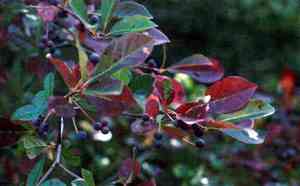
The black gum, a deciduous tree recognized for its vibrant autumn foliage and thick crown, thrives with judicious pruning to preserve its form and vigor. Focus on excising branches that are dead, ailing, or rubbing against each other. The ideal period for pruning is in late winter or early spring, which aids in recovery and minimizes the chance of disease. Reducing the density of the canopy improves air movement and light exposure, both essential for robust development. Refrain from making extensive cuts, as the black gum possesses a restricted capacity for regrowth. Execute pruning with care to strengthen its framework and extend its lifespan.
What Are the Benefits of Pruning Black Gum?
What Are the Benefits of Pruning Black Gum?
Trimming black gum promotes robust development and preserves its attractive form. Thoughtful cuts enhance light penetration and air movement, fostering a strong structure and reducing disease susceptibility.
What Is the Best Time for Pruning Black Gum?
What Is the Best Time for Pruning Black Gum?
These periods are considered ideal for trimming black gum due to several key aspects. Late winter pruning prepares black gum for vigorous spring growth by eliminating any compromised or diseased branches before the plant exits dormancy. This timing minimizes the risk of wound-related stress and infection as the plant can recover quickly with the onset of new growth. Early spring pruning is also advantageous as it allows for shaping of black gum prior to the growth spurt, directing the plant's energy into desired growth patterns. Given that black gum does not bloom profusely and fruiting is not a primary ornamental characteristic, the chosen seasons avoid disrupting significant reproductive cycles. Furthermore, pruning black gum during these times encourages strong growth and overall plant health while decreasing the chance of sap leakage, which is more prevalent in black gum if pruned during late spring or summer.
What Tools Do I Need to Prune Black Gum?
Hand Pruners
Perfect for snipping slender branches, suitable for young black gum saplings or for refining the tree's silhouette.
Loppers
Effective for thicker branches typically found on a mature black gum, offering extended reach and increased leverage.
Pruning Saw
Essential for removing larger branches from black gum, capable of cutting through wood too thick for hand pruners or loppers.
Pole Pruner
Handy for reaching elevated branches on a tall black gum without needing a ladder, improving safety and convenience.
Hedge Shears
Applicable for shaping and managing the external form of a black gum hedge, if cultivated as a hedgerow.
How to Prune Black Gum
Step1: Initial Plant Inspection
Examine black gum for dead wood, damaged branches, and suckers before beginning the trimming process. This initial check helps identify which parts of the plant require attention and will guide the pruning.
Step2: Tools Sterilization
Sanitize pruning tools using a solution of one part bleach to nine parts water or a commercial sterilizing agent. Clean tools prevent the spread of plant diseases.
Step3: Removing Dead Wood
Begin by eliminating any dead wood. Make cuts on dead branches just above where they meet healthy wood, using sharp, sterilized pruning shears or a saw, depending on branch thickness.
Step4: Pruning Damaged Branches
Next, trim damaged branches. Look for signs of disease or breakage. Make cuts at a 45-degree angle just above an outward-facing bud, which will encourage growth away from the center of black gum.
Step5: Suckers Elimination
Remove suckers, which are vigorous vertical growths emerging from the roots or the base of black gum. Cut these growths as close to their origin point as possible using clean, sharp pruning shears.
Step6: Shaping the Plant
After removing dead, damaged, and unwanted growth, assess the overall shape of black gum. Shaping cuts should be minimal as black gum has a naturally appealing form. If shaping is necessary, select branches carefully to maintain the tree's balance and structure.
Step7: Making Clean Cuts
Ensure all cuts are clean and smooth to promote rapid healing. Ragged cuts can harbor pests and diseases and delay black gum's recovery from pruning.
Step8: Disposal of Pruned Material
Properly dispose of all removed plant material to prevent the spread of pests or diseases. Composting is an option for healthy material, while diseased material should be destroyed or discarded according to local regulations.
Step9: Cleaning and Sterilizing Tools Post-Pruning
After trimming black gum, clean and sterilize all tools used to prevent transferring any potential diseases to other plants or future pruning sessions.
Step10: Post-Pruning Watering
Water black gum thoroughly after pruning to help reduce plant stress and aid in the recovery process.
Step11: Post-Pruning Monitoring and Care
Monitor black gum for signs of disease or stress in the following weeks, and provide care as needed to support its health and vigorous growth.
Post-Pruning Care for Black Gum
Post-Pruning Care for Black Gum
Immediately after trimming black gum, provide ample water to alleviate water stress. Ensure black gum is in a location with appropriate light exposure, away from extreme temperature fluctuations, maintaining moderate humidity. Apply a balanced, slow-release fertilizer to assist recovery and growth. Regularly check for signs of infection or stress, such as wilting or discoloration. Upon detection, enhance care or consult an expert. Consistent monitoring post-pruning promotes healthy recuperation of black gum.
Common Pruning Mistakes with Black Gum
Forcing Unnatural Shape by Over-Pruning
Disregarding the natural form of black gum and attempting to force it into an unnatural shape through excessive trimming, which can lead to stress and poor development.
Improper Cuts Damaging the Branch Collar
Cutting too close to the trunk or parent branch, potentially harming the branch collar and affecting the plant's natural healing process.
Excessive Foliage Removal Leading to Plant Shock
Removing too much foliage at once, which can shock black gum, leaving it susceptible to diseases and pests or potentially leading to stunted growth.
Leaving Dead Branches Attracts Pests
Failing to remove dead or decaying branches, which can become havens for pests and increase the risk of disease spreading.
Using Dirty or Dull Pruning Tools
Employing dirty or dull tools, which can cause jagged cuts that are harder for black gum to seal and elevate the risk of infection.
Common Pruning Tips for Black Gum
Adhere to 'One-Third' Canopy Pruning Rule
Follow the 'one-third' rule, generally not removing more than one-third of the plant's overall canopy in a single trimming session to avoid stressing black gum.
Angle Cuts Above Outward-Facing Buds
Make cuts at a slight angle about a quarter inch above an outward-facing bud or branch, ensuring not to damage the branch collar for optimal healing.
Remove Damaged Limbs to Promote Health
Focus on removing any dead, damaged, or diseased branches to enhance black gum's health and appearance before thinning out crowded areas for better light penetration and air circulation.
Prune Water Sprouts and Rubbing Branches
Trim out any water sprouts (suckers) and branches that rub against each other, as they can create wounds and entry points for pathogens.
Employ Clean, Sharp Pruning Tools
Use clean, sharp tools specifically designed for trimming to ensure precise cuts and reduce the risk of infection to black gum.
Evaluate Structure for Balanced Pruning
Assess black gum's branch structure before pruning to identify which branches to remove, ensuring a balanced, open framework that maintains the tree’s natural shape.
Use Sealant on Larger Pruning Cuts
Apply sealant to larger cuts to protect black gum from disease, though for smaller cuts, black gum is typically able to seal on its own.



