How to Prune Olive?
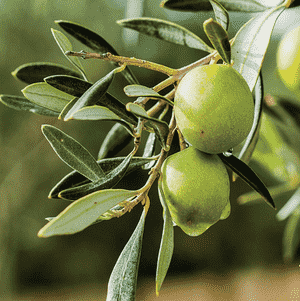
Recognized for its twisted stem and silver-hued leaves, the olive tree thrives with meticulous shaping to boost its fruit yield. Essential pruning entails reducing dense branches and eliminating basal shoots, preferably while the tree is inactive in winter. This schedule prevents significant sap leakage and the introduction of pathogens. Appropriate trimming guarantees sufficient sunlight exposure and air movement, fostering more robust trees and increased harvests. When tending to olive, consistently sanitize implements to lessen the spread of illnesses.
What Are the Benefits of Pruning Olive?
What Are the Benefits of Pruning Olive?
Trimming olive is crucial for encouraging robust new development and preserving its desired form. Consistent cutting back guarantees the growth of strong branches capable of bearing abundant fruit.
What Is the Best Time for Pruning Olive?
What Is the Best Time for Pruning Olive?
Pruning olive during the specified season is ideal because the plant is dormant, which minimizes stress and sap loss that could attract pests. This timing allows for the removal of dead or diseased wood and shaping the plant without affecting upcoming bloom and fruiting cycles. Winter pruning also stimulates vigorous spring growth as the plant's energy is directed to the remaining branches, leading to a healthy, productive olive.
What Tools Do I Need to Prune Olive?
Hand Pruners
Essential for making precise cuts on young olive shoots and smaller branches. Ensure they are bypass type for clean cuts that promote healthy regrowth.
Loppers
Used for cutting thicker branches that hand pruners cannot manage. Their long handles provide leverage for branches up to a couple of inches thick.
Pruning Saw
Necessary for removing mature branches with a larger diameter. A saw with coarse teeth is ideal for cutting live wood without harming olive.
Hedge Shears
Appropriate for shaping olive when a manicured look is desired. Perfect for trimming and shaping hedges and for topiary work on larger olive specimens.
Pole Pruner
Useful for reaching higher branches without needing a ladder. Ensures safe pruning of olive at elevated heights.
Secateurs
Similar to hand pruners, secateurs are suitable for making fine cuts on olive and are vital for detailed pruning work on small shoots and twigs.
Gloves
To protect hands from thorns and rough bark, ensuring safe and comfortable pruning activities on olive.
Sharpening Tool
Important for keeping pruning tools sharp to ensure clean cuts that heal quickly, reducing the risk of disease in olive.
How to Prune Olive
Step1: Initial Health Assessment
Evaluate the overall health and structure of olive before starting to prune. Look for dead branches, yellow leaves, and diseased wood, as these will be the primary targets for trimming.
Step2: Tool Sterilization
Sterilize your pruning tools to prevent disease spread. Use a solution of one part bleach to nine parts water or rubbing alcohol to clean blades before and after use.
Step3: Dead Branch Removal
Identify dead branches by their dry, brittle texture and lack of green inside the bark when scratched. Cut these branches back to the base or to the point of healthy tissue using clean, sharp pruning shears.
Step4: Yellow Leaf Elimination
Remove yellow leaves, which often signal distress in olive. Pluck them off with your fingers or prune them if they're attached to unhealthy branches, ensuring you don't damage new growth or healthy tissue.
Step5: Diseased Wood Pruning
Prune diseased wood as soon as you notice it to stop the disease from spreading. Make your cuts well below the affected area, ideally 4-6 inches into healthy wood to ensure no disease remains.
Step6: Structural Thinning
Shape olive by thinning out dense areas to improve light penetration and airflow. Selectively prune to maintain or develop a strong scaffold structure with well-spaced main branches.
Step7: Vertical Shoot Reduction
Thin out shoots that are growing vertically or towards the center of olive. This opens up the canopy and encourages the growth of lateral fruiting branches.
Step8: Pruning Debris Cleanup
After pruning, clean up all trimmings and dispose of them properly, especially diseased material, to reduce the risk of pests and disease in the future.
Step9: Post-Pruning Watering
Water olive thoroughly after pruning to aid its recovery. Avoid excessive fertilizing immediately after pruning as this can stress the plant.
Step10: Growth Monitoring
Monitor olive for signs of new growth and health issues following pruning. Adjust your care routine as needed to support recovery and growth.
Post-Pruning Care for Olive
Post-Pruning Care for Olive
After pruning, immediately water olive thoroughly. Ensure olive receives consistent, indirect sunlight while maintaining moderate humidity and temperature. Fertilize with a balanced blend after one month, avoiding high nitrogen content. Regularly inspect olive for wilting or discolored foliage, which may indicate stress or infection. If signs appear, adjust care and consult an expert if needed. These steps will aid olive's recovery and encourage robust growth.
Common Pruning Mistakes with Olive
Excessive Pruning Reduces Yield and Weakens Plants
Over-pruning olive, which can lead to reduced fruit production and a weakened plant structure.
Improper Cutting into Old Wood Inhibits New Growth
Cutting into the old wood beyond the fruiting zone, which can harm the olive as it may not readily produce new shoots from old wood.
Too Many Suckers Clutter Canopy and Impair Airflow
Leaving too many suckers or water sprouts, which can result in a cluttered canopy and poor air circulation.
Unsterilized Tools Spread Disease
Pruning without sterilizing the tools, which risks spreading disease among olive and other plants.
Incorrect Angled Cuts Above Buds Risk Plant Health
Neglecting to make clean, angled cuts just above a bud or branch node, causing unnecessary harm and potential for disease.
Common Pruning Tips for Olive
Sanitize Pruning Tools to Prevent Disease
Regularly sanitize pruning tools before and after use to prevent disease transmission in olive.
Thin Center for Light and Air to Reduce Disease Risk
Focus on thinning out the center of olive to enhance light penetration and airflow, which helps to reduce the risk of disease and promotes even ripening of fruit.
Angled Cuts Above Buds Direct New Growth Outward
Cut branches at a slight angle, just above a bud facing the outside of the canopy to guide the new growth outward, improving the olive's shape and productivity.
Promptly Remove Dead or Diseased Branches
Remove any dead, diseased, or damaged branches as soon as they are detected to maintain the health and vigor of olive.
Prune for Strong Structure and Balanced Foliage
Encourage a strong structure by selectively pruning to maintain a balanced, open framework of primary branches, which supports better fruit distribution.
Limit Pruning to One-Third of Foliage Per Season
Limit pruning to the removal of no more than one-third of the overall foliage in a single season to avoid stressing olive.



