How to Prune Oregano?
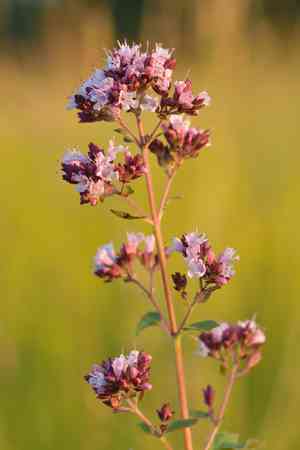
Oregano, a favored aromatic herb for cooking, greatly thrives with appropriate cutting. Essential trimming methods encompass routinely nipping off the ends to foster denser development and excising any hardened stalks. The most effective time for pruning spans from early spring through late autumn, aligning with periods of vigorous growth. Important points to remember include refraining from excessive trimming to avert plant distress and encouraging improved air movement to lessen the chance of illness. Harvested leaves are suitable for drying for gastronomic purposes, adding value to the upkeep process.
What Are the Benefits of Pruning Oregano?
What Are the Benefits of Pruning Oregano?
Trimming oregano promotes vigorous development by stimulating fresh, robust growth. It helps maintain the plant's form, boosts yield, and contributes to a neat garden appearance.
What Is the Best Time for Pruning Oregano?
What Is the Best Time for Pruning Oregano?
These periods are considered optimal because in early spring, oregano is just emerging from dormancy, which is an ideal time to shape the plant and remove any dead or damaged foliage without causing stress. Pruning at this time encourages robust, bushy growth and prepares the plant for the active growing season. As oregano grows throughout the summer, light trimming can be performed to maintain the desired shape and size, thus supporting healthy growth and air circulation. Pruning in late fall, after the harvest, can help prepare oregano for winter by removing old growth and reducing the likelihood of disease. It's important to avoid heavy pruning in late fall, as new growth might not harden off before the frost. The timing aligns oregano's growth cycle and seasonal considerations to ensure the plant's health and productivity.
What Tools Do I Need to Prune Oregano?
Hand Pruners
Perfect for cutting through oregano's soft stems, hand pruners ensure clean cuts without harming the plant, which is crucial for encouraging healthy regrowth.
Pruning Shears
These are useful for quickly trimming back large sections of oregano and shaping the plant, particularly beneficial during vigorous growth or harvesting.
Scissors
For smaller, more delicate tasks, such as thinning or harvesting small amounts of oregano, sharp scissors allow for precision without undue strain on the plant.
Gloves
While not a cutting tool, gloves protect hands during oregano pruning and can improve tool grip, enabling safer and more precise work.
How to Prune Oregano
Step1: Identify Stems for Pruning
Start by examining oregano for overgrown, damaged, or withered stems. This will help pinpoint which parts need trimming. Ensure your pruning shears are clean and sharp to prevent plant damage and guarantee a clean cut.
Step2: Prune Overgrown Stems Correctly
For overgrown stems, locate the point where the stem begins to become woody, typically the lower third. Cut the stem at an angle just above a leaf set or node, leaving at least two-thirds of the stem on the plant to encourage bushy growth.
Step3: Remove Damaged Stems
Identify damaged stems by looking for any that appear broken, bruised, or infected by pests or disease. Remove these by cutting them back to the plant's base or the nearest healthy section, ensuring no stubs are left to decay.
Step4: Trim Withered Stems
For withered stems, which are dead or dying, cut these back to the nearest healthy growth or all the way to the base if the entire stem is affected. Withered stems can deplete oregano's energy and attract pests.
Step5: Balance Plant Shape
After initial cuts, observe oregano's shape. If the plant looks uneven, further prune longer stems to encourage a more rounded growth habit. This will promote sunlight penetration and air circulation, reducing disease risk.
Step6: Clear Pruning Debris
Clean up all cuttings from around oregano's base to deter pests and disease. Dispose of or compost healthy cuttings, and discard any diseased material away from your garden area.
Step7: Water Plant Post-Pruning
Lightly water the plant after pruning to help oregano recover from the trimming process's stress. Do not overwater, as this can lead to root problems, especially for herbs like oregano that prefer drier conditions.
Step8: Encourage New Growth
Monitor oregano for new growth, which should appear in a few weeks. Regularly pinching the tips of new growth can be performed to encourage bushier growth and prevent the need for more drastic pruning in the future.
Post-Pruning Care for Oregano
Post-Pruning Care for Oregano
After trimming oregano, immediately water the plant to reduce stress. Ensure oregano is placed in a sunny location with moderate temperatures, maintaining adequate humidity. Post-pruning, adjust fertilizer application to support recovery, using a balanced, diluted solution once growth resumes. Regularly inspect oregano for signs of stress, such as wilting or discoloration, and for infection indicators like mold. If symptoms appear, adjust care and consult a horticulturist. Proper environmental control and nutrient management are crucial for oregano's rejuvenation.
Common Pruning Mistakes with Oregano
Over-pruning shock and growth reduction
Pruning too aggressively can shock oregano and potentially reduce its growth and flowering potential. Removing too much foliage at once should be avoided.
Damage from blunt and contaminated tools
Using dull or dirty pruning tools can damage oregano stems and introduce diseases. Always use clean, sharp tools for precise cuts.
Ignoring dead and diseased growth
Neglecting to remove dead, damaged, or diseased growth can impede healthy growth and decrease air circulation, making oregano more susceptible to pests and diseases.
Misshapen plants from uninformed pruning
Pruning oregano without understanding its growth habits can result in misshapen plants and reduced yields of leaves and flowers.
Spreading pests with unsterilized tools
Failing to disinfect pruning tools between plants can spread pests and diseases from infected plants to healthy ones. Each cut should be made with care and consideration.
Common Pruning Tips for Oregano
Promote bushiness by light topping
When trimming oregano, aim to remove only the top third of the plant to encourage bushier growth, which should stimulate new shoot development.
Encourage branching above leaf sets
Cut back oregano to just above a set of growing leaves to encourage branching, which will result in a fuller, healthier plant.
Deadheading to prevent legginess
Regularly deadhead, or remove, spent blooms to prevent oregano from becoming leggy and to encourage further flowering.
Pinching for compact shape and leaf boost
Pinch back the tips of oregano during the growing season to maintain a compact shape and to boost leaf production.
Trim for denser foliage after spring growth
After the first flush of growth in the spring, trim back oregano to encourage denser foliage and to maintain the desired size and shape of the plant.



