How to Prune Sweet osmanthus?
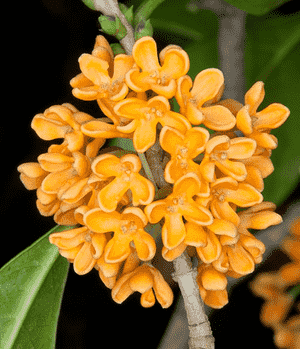
Distinguished by its aromatic flowers and lustrous foliage, sweet osmanthus flourishes with consistent trimming. To sculpt and preserve its vitality, shorten elongated branches following the blooming period and reduce crowded sections to boost air circulation. Perform pruning in late winter prior to the emergence of spring growth. This practice boosts the capacity for flowering and enables cultivators to skillfully control the plant's dimensions. Refrain from extensive pruning late in the season to avert the loss of flower buds.
Advantages of Trimming Sweet Osmanthus
Advantages of Trimming Sweet Osmanthus
Consistent trimming of sweet osmanthus promotes more robust development and helps maintain its desired shape. Eliminating old wood stimulates new growth, potentially leading to more abundant blooms, while shaping aids in size management and enhances its visual appeal.
Optimal Period for Pruning Sweet Osmanthus
Optimal Period for Pruning Sweet Osmanthus
Winter pruning is ideal for sweet osmanthus as it follows its typical autumn flowering cycle. Trimming at this time allows the plant to direct energy towards new spring growth. Winter pruning also reduces the risk of disease and pest issues, as these are less active in colder months. Furthermore, it helps maintain the plant's desired form and size, ensuring vitality and a strong structure for the next season's flowers.
Tools Required for Pruning Sweet Osmanthus
Hand pruners
For selective trimming of sweet osmanthus, hand pruners are perfect. Their sharp blades are excellent for cutting small to medium branches, ensuring clean cuts that encourage healthy regrowth.
Loppers
When dealing with thicker branches of sweet osmanthus, loppers provide the necessary leverage and cutting power without harming the plant.
Pruning saw
A pruning saw should be used for the largest branches of sweet osmanthus that hand pruners and loppers cannot manage. A fine-toothed pruning saw will make clean cuts through thick wood.
Hedge shears
To sculpt the foliage and maintain dense hedges of sweet osmanthus, hedge shears are the best option. They allow for even, straight cuts across the plant's leafy exterior.
Gloves
Protective gloves are crucial for shielding the gardener's hands from thorns and rough branches during the pruning process.
How to Prune Sweet Osmanthus
Step1: Assess Plant Health
Evaluate sweet osmanthus for overall health and identify all yellow leaves and withered branches that need removal.
Step2: Gather Pruning Equipment
Collect the appropriate pruning tools, which should include bypass pruners, gloves, and a disinfectant for cleaning the tools.
Step3: Disinfect Pruning Tools
Sanitize the pruning tools before starting the pruning process to prevent the spread of disease.
Step4: Remove Yellow Foliage
Trim yellow leaves by cutting at the base of the leaf stem, ensuring only affected foliage is removed without harming healthy parts.
Step5: Identify Withered Branches
Locate withered branches by examining sweet osmanthus for limbs that are dry, brittle, and lack green, flexible growth. These are typically older or diseased branches.
Step6: Cut Withered Branches Properly
Using bypass pruners, make clean cuts to remove withered branches. Cuts should be made at a 45-degree angle, just above a healthy bud or branching point, to encourage new growth.
Step7: Prune Sparingly to Avoid Stress
Avoid removing more than one-third of sweet osmanthus's total foliage in a single session to prevent stressing the plant. Focus only on the identified trim parts: yellow leaves and withered branches.
Step8: Clean Debris from Plant Base
Clear all removed plant material from the base of sweet osmanthus and dispose of them properly to prevent disease or pests from infesting the area.
Step9: Re-disinfect Tools Post-Pruning
After pruning, clean and disinfect the tools again to ensure they are ready for future use.
Step10: Observe Plant Post-Pruning
Monitor sweet osmanthus over the following weeks for signs of recovery or further issues, adjusting care as necessary to promote healthy growth.
Post-Pruning Care for Sweet Osmanthus
Post-Pruning Care for Sweet Osmanthus
After pruning sweet osmanthus, immediately water the plant to help reduce stress. Ensure sweet osmanthus is placed in an area with partial to full sun exposure, maintaining ambient temperature (60-75°F) and moderate humidity. Fertilize with a balanced, slow-release feed to support regrowth. Monitor for wilted leaves or discoloration, indicating stress or infection. Trim any diseased branches and apply a fungicide if necessary. Regularly check soil moisture and maintain a consistent watering schedule to encourage healthy recovery.
Common Pruning Mistakes with Sweet Osmanthus
Excessive Removal of Plant Foliage and Branches
Over-pruning, which involves removing too much foliage or too many branches at once and can stress or damage sweet osmanthus.
Pruning Too Close to Main Stem
Pruning too close to the main stem, potentially causing wounds that can lead to disease entry or poor healing in sweet osmanthus.
Using Dull or Dirty Tools
Using dull or dirty pruning tools, leading to jagged cuts and increasing the risk of infection in sweet osmanthus.
Tearing Branches Instead of Clean Cuts
Tearing or ripping branches instead of making clean cuts, which can harm sweet osmanthus's overall health and appearance.
Common Pruning Tips for Sweet Osmanthus
Precise Cuts with Sharp, Clean Shears
Use sharp, clean pruning shears to make precise cuts, which help reduce stress on sweet osmanthus and promote better healing.
Proper Angle and Distance Above Bud for Cuts
Cut at a 45-degree angle about 1/4 inch above a leaf node or bud, encouraging proper growth direction and minimizing water accumulation that could lead to rot.
Thinning for Better Air Circulation and Light
Thin out dense areas to improve air circulation and light penetration, ensuring a healthier sweet osmanthus with more robust flowering.
Prompt Removal of Unhealthy Branches
Remove any dead, dying, or diseased branches as soon as they are noticed to maintain the vigor and aesthetic appeal of sweet osmanthus.
Gradual Shaping to Preserve Natural Form
Shape sweet osmanthus gradually, over a period of time rather than all at once, to preserve the natural form and minimize stress.
Correct Directional Pruning for Growth
When reducing the height or spread, cut back to a lateral branch or bud that points in the desired direction of growth for sweet osmanthus.



