How to Prune Peony?
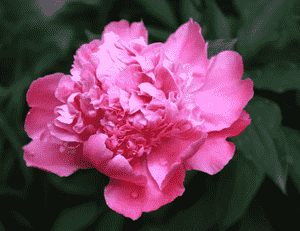
Valued for its abundant, aromatic blossoms, the peony thrives optimally with meticulous trimming. After flowering, snip off faded blooms to foster the plant's well-being. During the initial weeks of spring, sever any lifeless or frail stalks at their base. Trim away any congested limbs to improve light penetration and air movement. Avoid cutting in late autumn to safeguard the plant from cold weather harm. Consistent trimming results in more substantial flowers and a sturdy plant framework, guaranteeing the peony's vitality and visual charm.
What Are the Benefits of Pruning Peony?
What Are the Benefits of Pruning Peony?
Trimming peony promotes more abundant flowering and robust development. Regular cutting helps maintain its desired form and size, leading to a more attractive specimen. It also rejuvenates peony, boosting its overall health and garden performance.
What Is the Best Time for Pruning Peony?
What Is the Best Time for Pruning Peony?
Pruning in early spring allows gardeners to shape peony and remove any dead or diseased wood without disrupting the plant's flowering cycle, as peony blooms on old wood. Trimming in late fall, after peony has become dormant, promotes good hygiene, reducing the chance of disease and pests overwintering in dead plant material. This timing avoids stressing peony during its active growth and flowering phases, hence supporting its health and vigour.
What Tools Do I Need to Prune Peony?
Bypass Pruners
Ideal for making precise cuts on peony's stems, bypass pruners create a clean cut that promotes healthy regrowth. These are preferable over anvil pruners, which can crush peony's delicate stems.
Pruning Shears
Peony requires the removal of spent flowers and light shaping. Pruning shears are optimal for snipping thinner stems and deadheading with control and minimal damage to the plant.
Gloves
Protect your hands from sharp edges and potential irritants when pruning peony. Gloves are an essential accessory to ensure safety during the pruning process.
Clean Cloth and Alcohol
Before and after pruning peony, use a clean cloth dipped in alcohol to sterilize the blades of your tools. This practice prevents the spread of disease and keeps the tools in good condition.
How to Prune Peony
Step1: Timing Pruning Post-Bloom
Wait for the appropriate pruning time for peony, which is typically after the blooms have faded in the summer but no later than early fall to prevent new growth that could be damaged by frost.
Step2: Tool Preparation and Sanitation
Prepare the tools you will need for pruning, such as sharp pruners or garden shears, gloves, and a disinfectant solution to clean the blades. This will help prevent the spread of disease between plants.
Step3: Removing Spent Blooms
Start with dead flowers. Locate spent blooms by following the stem from the flower to the first set of true leaves. Use the pruning shears to snip the stem just above the leaves. Ensure a clean cut, which will help to promote healthy new growth.
Step4: Cutting Weak Stems at Base
Identify weak stems on peony that are not strong enough to support the plant's growth. These are typically spindly and may not have blossomed properly. Carefully remove these stems at their base, cutting at a 45-degree angle to prevent water from sitting on the cut surface and to encourage proper healing.
Step5: Eliminating Damaged Stems
Examine peony for any damaged stems, which may be caused by disease, pests, or physical injury. Remove these stems by cutting at a point below the damage, but above a healthy bud or set of leaves. If the whole stem is affected, remove it at the base.
Step6: Disposal of Pruned Plant Material
Dispose of all removed material properly. Dead flowers, and damaged or weak stems should be taken away from the garden area to reduce the likelihood of disease and pests. Composting is often not advised for diseased plant material.
Step7: Post-Pruning Watering Technique
Water the base of peony, not the foliage, after pruning to help reduce stress on the plant and promote recovery.
Step8: Post-Pruning Plant Monitoring
Monitor peony over the following weeks for any signs of disease, pests, or stress. Ensure it is receiving the correct amount of water and sunlight, and make adjustments to care routines as necessary.
Post-Pruning Care for Peony
Post-Pruning Care for Peony
After pruning peony, immediately clear away debris to prevent disease. Place the plant in partial sunlight and protect from strong winds. Maintain moderate humidity and temperature to avoid stress. Apply a balanced, slow-release fertilizer to encourage growth. Regularly inspect peony for wilting or discolored foliage which could indicate stress or infection, and if detected, gently trim affected areas and apply a fungicide if necessary. Ensure consistent soil moisture without overwatering for optimal recovery.
Common Pruning Mistakes with Peony
Avoid Pruning Green, Fleshy Stems
Pruning when stems are green and fleshy, which risks damaging healthy growth and introducing diseases to peony.
Do Not Cut Too Close or High From Bud
Cutting too close to the base of the plant, which can stress peony and jeopardize new growth, or too high above the bud causing unsightly stems being left behind.
Removing Excessive Foliage Weakens Plants
Removing too much foliage or too many stems which can reduce photosynthesis and energy production, weakening peony's overall vitality and bloom production.
Recycle Healthy Clippings, Don't Discard
Discarding the healthy clippings, which can be used for propagation or composting, instead of recycling them back into the garden as nutrients.
Common Pruning Tips for Peony
Use Sharp, Clean Shears for Pruning
Use sharp, clean pruning shears specifically designed for cutting woody stems, to make clean cuts that promote faster healing for peony.
Prune Only Dead or Dying Foliage
Prune away only the dead or dying stems and foliage which can harbor pests and diseases. Healthy stems should be retained as they will produce the next season's flowers.
Cut at 45-Degree Angle Above Buds
Prune at a 45-degree angle about 1/4 inch above an outward-facing bud to encourage outward growth and prevent water from collecting on the cut surface, which could lead to rot.
Apply Mulch Post-Pruning for Plant Health
After pruning, apply a layer of mulch around peony to help maintain soil moisture and temperature, which benefits recovery and future growth.
Sanitize Tools Before and After Pruning
Sanitize your pruning tools both before and after working on peony to prevent the spread of disease between plants in the garden.



