How to Prune Boston ivy?
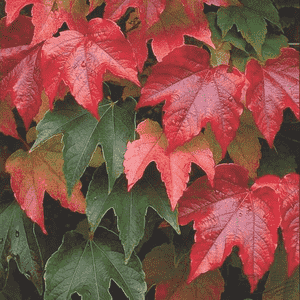
Celebrated for its robust climbing habit and vibrant autumn hues, boston ivy rapidly blankets surfaces like walls and fences. To preserve its form, manage its expansion, and foster more robust foliage, trim boston ivy in the early spring or late winter prior to the onset of vigorous development. Eliminate any deceased or compromised tendrils and reduce them to a sturdy foundational structure. Consistent thinning improves air movement, thereby lowering the likelihood of ailments. Prioritize the removal of older stalks to revitalize the plant. Pruning at the appropriate moment guarantees vigorous development and a neat aesthetic.
What Are the Benefits of Pruning Boston Ivy?
What Are the Benefits of Pruning Boston Ivy?
Trimming boston ivy encourages vigorous development and maintains its intended form, preventing excessive growth and potential structural issues. This essential upkeep fosters a more manageable and visually appealing vine.
What Is the Best Time for Pruning Boston Ivy?
What Is the Best Time for Pruning Boston Ivy?
During late winter and early spring, the plant is in its dormant stage, prior to the start of the new growth cycle. Pruning during dormancy minimizes stress on 'boston ivy' and lowers the chance of disease transmission, as the plant is less vulnerable to infections. It also allows gardeners to better shape the vine without leaf obstruction and gives the plant time to recover before the rapid growth of spring and summer. This timing prevents the loss of the current season's flowers and fruits since 'boston ivy' blooms on new wood. By pruning in the recommended seasons, the plant will have a cleaner structure and improved vitality, leading to healthier and more attractive growth throughout the growing season.
What Tools Do I Need to Prune Boston Ivy?
Hand Pruners
Perfect for making precise cuts on boston ivy to remove small branches, or dead or diseased parts. They ensure a clean cut that aids in the plant's well-being.
Loppers
Ideal for cutting through thicker stems or branches up to 1.5 inches in diameter that hand pruners cannot manage, crucial for shaping boston ivy and managing its spread.
Pruning Saw
Required for removing larger branches exceeding 1.5 inches in thickness. Boston ivy can develop substantial limbs that necessitate a saw for safe and effective removal.
Hedge Shears
Useful for trimming and shaping boston ivy when cultivated as a hedge. This tool enables quick shaping of extensive areas.
Gardening Gloves
Protection for the gardener's hands from thorns and sap, which is vital when handling boston ivy.
Safety Glasses
Eye protection is essential to shield the gardener from debris when pruning boston ivy, especially when working with dense growth.
How to Prune Boston Ivy
Step1: Timing for Pruning
Select the appropriate time for pruning boston ivy. It is best to prune in late winter or early spring before new growth begins, reducing the likelihood of plant injury and disease.
Step2: Tool Preparation and Disinfection
Prepare clean and sharp pruning tools for precise cuts. Disinfect your shears with rubbing alcohol to prevent disease spread.
Step3: Dead Stem Identification
Inspect boston ivy for dead stems. These are brown, brittle, and lack green tissue when lightly scraped. They do not contribute to the plantâs vigor and can be removed.
Step4: Dead Stem Removal Technique
Cut dead stems at their base near the main structure of boston ivy, or back to a healthy side shoot or bud. Use angled cuts to prevent water accumulation on the cut surface, which can lead to rot.
Step5: Withered Leaf Removal
Identify withered leaves, which are typically dry, brown, or crumpled. These leaves will not recover and can be gently pulled off or snipped at their base. Removing them improves air circulation and redirects the plantâs energy to healthier growth.
Step6: Diseased Plant Parts Detection
Look for diseased parts of boston ivy, which may show unusual spots, colors, or deformities. Isolate these parts and prune them back to healthy tissue well below the affected area to prevent further disease spread.
Step7: Disposal of Pruned Material
Dispose of all removed material (dead stems, withered leaves, diseased parts) away from boston ivy and other plants to prevent any potential disease spread. Do not compost diseased material.
Step8: Post-Pruning Tool Cleaning
After pruning, clean your tools thoroughly with a disinfectant to ensure no pathogens are transferred to other plants.
Step9: Plant Health Monitoring Post-Pruning
Monitor boston ivy after pruning for signs of stress or disease, and provide appropriate care, such as watering or adjusting sun exposure, to encourage healthy new growth.
Post-Pruning Care for Boston Ivy
Post-Pruning Care for Boston Ivy
Immediately after pruning boston ivy, water thoroughly to minimize stress and promote healing. Maintain moderate environmental conditions; boston ivy prefers partial sun to full shade, with high humidity and mild temperatures. Post-pruning, apply a balanced, slow-release fertilizer to support regrowth. Regularly inspect boston ivy for signs of stress, such as yellowing leaves or wilt, and treat promptly with appropriate fungicides or pest control measures if infection is detected.
Common Pruning Mistakes with Boston Ivy
Avoid Pruning into Old Non-Regenerative Wood
Cutting into old wood where boston ivy may not easily regenerate can hinder its growth. New shoots emerge from the plant's base or from dormant buds on younger wood.
Don't Over-Prune and Strip Too Much Foliage
Removing too much foliage at once, which can stress boston ivy and negatively impact its ability to photosynthesize and store energy.
Use Sharp, Sterilized Pruning Tools to Prevent Damage
Using dull or dirty pruning tools can damage the vines of boston ivy and introduce disease to the cuts.
Remove Dead or Damaged Areas Promptly
Neglecting to remove dead or damaged areas can lead to further deterioration of the plant's health.
Respect Plant's Climbing and Spreading Nature in Pruning
Forgetting to consider the plant's natural climbing and spreading tendency may result in uncontrolled growth or harm to nearby structures.
Common Pruning Tips for Boston Ivy
Prune with Sharp, Clean Shears for Healthy Cuts
Use sharp, clean pruning shears to make clean cuts on boston ivy, reducing disease risk and promoting quicker healing.
Prune to Control Shape and Prevent Damage to Structures
Prune to maintain the desired shape and size of boston ivy, and to prevent it from overgrowing and damaging nearby structures.
Remove Diseased or Damaged Wood to Boost Plant Health
Focus on removing dead, damaged, or diseased wood to improve the overall health and appearance of boston ivy.
Thin Dense Areas for Light Penetration and Disease Reduction
Thin out dense areas to allow light and air to penetrate boston ivy, which reduces disease risk and encourages new growth.
Trim Excess Vines to Maintain Tidiness and Control Growth
Cut back vines that have exceeded their boundaries to maintain a tidy appearance and prevent boston ivy from becoming invasive.



