How to Prune Common passionfruit?
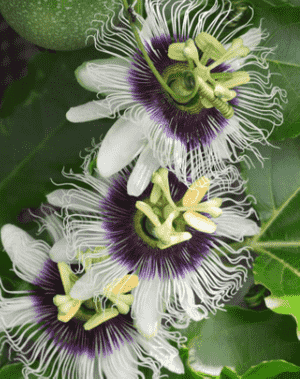
This robust climbing plant is celebrated for its fragrant blossoms and palatable produce. For typical passionfruit varieties, essential trimming methods involve excising deceased or excessively long branches to preserve the plant's well-being and structure. Perform pruning in early spring or late winter to encourage fresh development and fruit yield. It is vital to thin out thick foliage to improve air movement and light exposure, which aids in disease prevention. Consistent trimming also fosters a controllable size, boosting ease of harvesting and productivity.
Advantages of Trimming Common Passionfruit
Advantages of Trimming Common Passionfruit
Trimming common passionfruit promotes a more abundant yield by stimulating robust development. It assists in maintaining desired shape and size, allowing for improved light penetration and air circulation, vital for the plant's vitality and output.
Optimal Period for Pruning Common Passionfruit
Optimal Period for Pruning Common Passionfruit
These periods are considered ideal for pruning common passionfruit as they precede the emergence of new growth, typically in spring. Pruning in late winter ensures the removal of any potential cold damage from the winter months, thereby preventing disease and pests from affecting the plant's new growth. Early spring pruning encourages common passionfruit to produce strong new growth for the upcoming season, which is essential for supporting the fruit's weight. This timing also allows for shaping the plant before its rapid growth phase, ensuring the vine maintains a balanced structure and maximizes sunlight exposure, crucial for flower and fruit production. Additionally, pruning common passionfruit during these times helps maintain plant health by removing dead or diseased wood, and it enhances air circulation within the canopy, reducing the risk of fungal infections.
Tools Required for Pruning Common Passionfruit
Hand Pruners
For precise trimming and shaping of common passionfruit, hand pruners are perfect. They allow for accurate cuts without harming delicate stems and can be used to remove dead or overgrown tendrils.
Pruning Saw
For cutting through thicker branches that hand pruners cannot manage, a pruning saw is essential. Common passionfruit may develop larger stems as it matures, necessitating a saw for proper upkeep.
Loppers
These can be used for reaching and efficiently cutting through stems too thick for hand pruners but not quite thick enough for a saw. Loppers provide the necessary leverage for clean cuts on common passionfruit.
Gardening Gloves
While pruning common passionfruit, gloves protect your hands from thorns and plant sap, which can cause skin irritation.
Pruning Shears
Pruning shears are useful for routine maintenance of common passionfruit, allowing for quick snips of foliage and deadheading spent flowers to encourage further fruiting.
How to Prune Common Passionfruit
Step1: Assess Plant for Pruning Readiness
Examine common passionfruit for old wood, damaged stems, and dead wood before beginning. Use clean, sharp pruning tools to prevent harm or disease transmission.
Step2: Remove Dead and Diseased Branches
Starting with dead wood, carefully remove any dead or diseased branches by cutting them back to live, healthy tissue. Make cuts just above a leaf node or lateral branch at a 45-degree angle.
Step3: Prune Old, Non-Fruitful Wood
Identify old wood by looking for branches that did not produce fruit the previous season or have started to harden and turn grey. Prune this old wood back to a healthy lateral branch or new bud to stimulate new growth.
Step4: Cut Back Damaged Stems
Locate damaged stems, which may appear wilted, broken, or harmed by pests or weather. Prune these damaged sections back to a node or a point of healthy tissue.
Step5: Eliminate Suckers and Water Sprouts
Remove any suckers or water sprouts growing from the base or along the stems of common passionfruit, as they divert energy from fruit production. Cut these off completely at their base.
Step6: Thin Dense Areas for Air and Light
Thin out dense areas to improve air circulation and light penetration. This promotes healthy growth and reduces the risk of disease.
Step7: Shape Plant for Balanced Structure
Shape the common passionfruit by selectively pruning branches to maintain a balanced structure. This will support adequate fruit production and distribute weight evenly.
Step8: Clean Area After Pruning
After pruning, clear all cuttings from around the base of common passionfruit to prevent any potential disease spread.
Step9: Sterilize Tools Post-Pruning
Clean and sterilize your pruning tools after finishing to ensure they are ready for the next use and to prevent disease spread between plants.
Post-Pruning Care for Common Passionfruit
Post-Pruning Care for Common Passionfruit
After pruning common passionfruit, ensure immediate watering to aid recovery. Maintain a warm environment with indirect sunlight to promote healing while avoiding extreme temperature fluctuations. Humidity should be kept moderate. A balanced, slow-release fertilizer will assist in nutrient replenishment without overwhelming common passionfruit. Regularly inspect for signs of stress, like wilt or discoloration, and disease manifestations such as unusual spots on foliage. Early detection warrants appropriate treatment, ensuring robust regrowth of common passionfruit.
Common Pruning Errors with Common Passionfruit
Over-Pruning Main Stems Reduces Fruit Production
Pruning the main stems too aggressively, potentially reducing the overall fruit production of common passionfruit.
Ignoring Lateral Shoots Affects Airflow and Health
Neglecting lateral shoots which can lead to a tangled mass and reduce air circulation, posing a risk of fungal infections and pests for common passionfruit.
Excessive Foliage Removal Stresses Plants
Removing too much foliage during pruning, which can stress common passionfruit and reduce its energy for growth and fruiting.
Cutting Old Wood Limits Growth
Cutting into old wood that does not produce new growth, which can hinder common passionfruit's productivity.
Dull and Dirty Tools Cause Disease
Using dull or dirty pruning tools, which can lead to jagged cuts and introduce diseases to common passionfruit.
General Pruning Advice for Common Passionfruit
Sharp, Clean Cuts Prevent Disease
Use sharp, clean pruning shears to make clean cuts that will heal quickly and reduce the chance of disease for common passionfruit.
Thinning Growth Improves Health and Sunlight Exposure
Focus on thinning out dense growth to improve air circulation and sunlight penetration, which is crucial for the health of common passionfruit.
Preserve Main Fruiting Stems
Identify and preserve the main fruiting stems while pruning to maintain common passionfruit's productivity.
Remove Dead Wood to Maintain Vigor
Trim away dead or diseased wood promptly to keep common passionfruit vigorous and prevent the spread of issues.
Promote Branching and Fruiting by Pruning Above Buds
Encourage lateral branch development by pruning just above a bud; this will promote branching and increase potential fruiting sites on common passionfruit.
Selective Pruning Shapes and Supports Fruiting
Manage the shape of common passionfruit by selective pruning to create a desirable framework that supports fruiting and simplifies harvesting.
Practice Gradual Pruning Over Harsh Cuts
Avoid over-pruning at any given time, as it can take a toll on common passionfruit's resources and recovery; gradual shaping is better than severe cuts.



