How to Prune Empress tree?
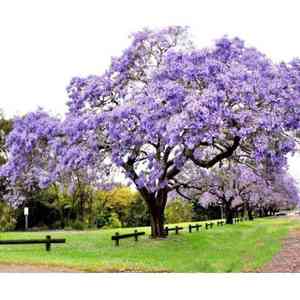
Distinguished by its swift development and expansive heart-shaped foliage, the empress tree greatly thrives with well-timed and deliberate trimming. Essential methods encompass excising deceased or compromised wood, reducing crowded branches to improve light access, and sculpting for visual appeal or structural integrity. The most favorable period for pruning is late winter or early spring, prior to the emergence of fresh shoots. Important aspects include making precise cuts to avert illness, and pruning can encourage blooming while regulating the tree's dimensions.
What Are the Benefits of Pruning Empress Tree?
What Are the Benefits of Pruning Empress Tree?
Trimming empress tree promotes robust development and maintains a desired form. Removing extra branches allows for improved air circulation, better light penetration, and can stimulate blooming, leading to a healthier, more visually appealing specimen.
What Is the Best Time for Pruning Empress Tree?
What Is the Best Time for Pruning Empress Tree?
Trimming empress tree during late winter and early spring coincides with its dormant period, preceding its rapid growth phase. This timing minimizes plant stress, facilitates better healing of cuts, and supports vigorous growth as temperatures rise. It also helps prevent cutting off emerging buds, which could reduce flowering potential. Pruning before spring growth allows gardeners to shape the tree's structure and remove dead or diseased wood without harming its health. Additionally, the absence of foliage during this time provides a clearer view of the branches, enabling more precise cuts.
What Tools Do I Need to Prune Empress Tree?
Hand Pruners
Perfect for cutting the young, tender branches of empress tree, which can grow quite quickly. Ensure they are sharp to provide a clean cut and prevent damage to plant tissues.
Loppers
Useful for reaching into the denser parts of empress tree and cutting thicker branches, typically up to 2 inches in diameter. These offer leverage for clean cuts without straining the gardener.
Pruning Saw
Essential for larger branches that hand pruners and loppers cannot cut through. A pruning saw is necessary given the fast growth and potential thickness of empress tree's branches.
Pole Pruner
Enables gardeners to trim higher branches safely from the ground. Given the rapid vertical growth of empress tree, this tool helps manage height and maintain the tree's structure without needing ladders.
Safety Gear
Though not a pruning tool itself, it's crucial to include gloves and protective eyewear in your kit to prevent injuries from the wood or sap of empress tree.
How to Prune Empress Tree
Step1: Inspect and Identify for Pruning
Examine empress tree for dead, damaged, or diseased wood, as well as any suckers or water sprouts. The optimal time to prune empress tree is in late winter or early spring before new growth begins.
Step2: Sterilize Pruning Tools
Sanitize your pruning tools with a solution of 1 part bleach to 9 parts water to prevent the spread of disease.
Step3: Prune Dead Wood
Begin by removing any dead wood. Make your cuts just above the branch collar at a 45-degree angle to the branch to encourage proper healing.
Step4: Remove Damaged Wood
Trim damaged wood, ensuring to cut back to healthy tissue. If the entire branch is damaged, remove it using the same technique as for dead wood.
Step5: Eliminate Diseased Branches
Remove diseased branches immediately to prevent spread to the rest of empress tree. Dispose of these branches properly and avoid composting them.
Step6: Thin Out Suckers and Water Sprouts
Thin out suckers growing from the base of the tree and water sprouts emerging from the trunk or branches. They divert energy away from the healthy growth of empress tree.
Step7: Prune for Natural Shape and Structure
Assess the overall shape of empress tree. Pruning for shape should be minimal as empress tree naturally develops an attractive form. If necessary, selectively prune to maintain the structure, size, and appearance of empress tree, but do not remove more than 20% of the crown in a single season.
Step8: Clean Tools Post-Pruning
After pruning, clean your tools again with the bleach solution to maintain their sterility.
Step9: Seal Large Pruning Cuts
Apply a wound dressing or sealant to large cuts to protect empress tree from pests and diseases.
Step10: Water and Fertilize After Pruning
Water empress tree thoroughly after pruning to promote good health, and consider applying a balanced, slow-release fertilizer to aid recovery and growth.
Post-Pruning Care for Empress Tree
Post-Pruning Care for Empress Tree
Immediately after trimming empress tree, clean cuts must be protected to prevent disease; apply a pruning sealant if recommended for this species. Optimal light and partial shade encourage recovery, while stable temperatures and adequate humidity levels reduce stress. Post-pruning, a balanced fertilizer promotes healthy regrowth; apply according to species-specific requirements. Regularly inspect empress tree for signs of stress, such as wilting or discoloration, and promptly treat any infections with appropriate fungicides or insecticides. Ensure consistent soil moisture, but avoid overwatering to prevent root rot.
Common Pruning Mistakes with Empress Tree
Overly Aggressive Pruning Harms Plant Structure
Trimming empress tree too aggressively can result in compromised plant structure and vitality. Cutting back too much at once can shock the tree and hinder its growth.
Unclean Tools May Introduce Diseases
Not sterilizing pruning tools before use on empress tree can introduce diseases that could severely affect the tree's health.
Failing to Remove All Damaged Limbs Invites Pests
Neglecting to remove all dead, damaged, or diseased branches on empress tree might lead to a proliferation of pests and further decay affecting the tree's overall health.
Common Pruning Tips for Empress Tree
Sharp, Clean Pruning Tools Aid Healing
Utilize sharp and clean pruning tools to make precise cuts on empress tree, ensuring optimal healing and reducing the risk of disease.
Thinning Dense Areas Boosts Health and Blooms
Focus on thinning out dense areas to improve air circulation and light penetration, which is essential for empress tree's health and flowering capacity.
Prune Judiciously to Preserve Natural Shape and Growth
When trimming empress tree, do so judiciously, ensuring to maintain its natural form and to avoid over-pruning which can delay its flowering and growth.



