How to Prune Foxglove beardtongue?
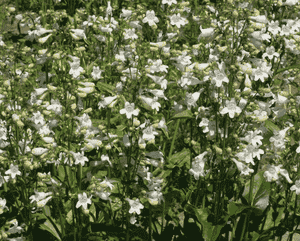
This enduring plant is distinguished by its elevated, tubular flower clusters and spear-like leaves. To ensure peak vitality and flowering, trim foxglove beardtongue following the initial frost to eliminate withered stems and stimulate development for the subsequent season. Reducing its height by one-third in early spring fosters a denser form and increased floral production. Removing spent blooms in late summer improves its aesthetic and hinders unintended dissemination through self-propagation. Trimming offers advantages such as averting ailments and revitalizing the robustness of foxglove beardtongue.
What Are the Benefits of Pruning Foxglove Beardtongue?
What Are the Benefits of Pruning Foxglove Beardtongue?
Trimming foxglove beardtongue promotes robust development and maintains its desired form. It encourages fresh, healthy shoots, ensuring a strong structure and optimal flower display.
What Is the Best Time for Pruning Foxglove Beardtongue?
What Is the Best Time for Pruning Foxglove Beardtongue?
Trimming foxglove beardtongue in early spring allows for the removal of any winter-damaged stalks before the plant begins new growth, fostering a more resilient and healthy structure. It also minimizes the risk of disease entering through pruning cuts as plants heal quickly during the spring growth period. Furthermore, cutting back after the blooming season helps prevent the loss of the current year's flowers, which is particularly relevant for foxglove beardtongue as it blooms on the previous year's growth. This timing also enables the gardener to shape the plant and manage its size before it produces seeds, encouraging more vigorous growth and a fuller shape for the subsequent year.
What Tools Do I Need to Prune Foxglove Beardtongue?
Hand Pruners
For accurate cuts and the ability to shape foxglove beardtongue, sharp hand pruners are essential. They are perfect for snipping smaller stems and faded flower spikes to stimulate new growth.
Pruning Shears
These are suitable for cutting through the thicker stems of foxglove beardtongue without harming the plant. Bypass pruning shears, in particular, create clean cuts that heal quickly.
Gardening Gloves
Protective gloves are necessary to shield hands from thorns or rough plant material while trimming foxglove beardtongue.
Pruning Saw
For older, woodier stems that hand pruners cannot manage, a pruning saw can simplify the task, though it's not frequently required for foxglove beardtongue.
How to Prune Foxglove Beardtongue
Step1: Identify Dead/Damaged Parts
Examine foxglove beardtongue for spent flowers and compromised stems. Accurately identifying these sections is vital for proper trimming.
Step2: Sterilize Pruning Tools
Disinfect your pruning shears with isopropyl alcohol before and after trimming to prevent the spread of diseases.
Step3: Prune Dead Flowers
Start with dead flowers. Cut the flower stalks back to the plant's base or to a set of leaves, making the cut just above the leaf nodes to encourage new growth.
Step4: Check for Damaged Stems
Inspect the plant for damaged stems. Look for any indications of disease, discoloration, or physical harm.
Step5: Cut Damaged Stems Properly
Trim damaged stems by making clean cuts at least 1/4 inch above a set of leaves or side shoots, or back to the base if the damage is extensive.
Step6: Shape Plant Conservatively
Shape foxglove beardtongue if needed by trimming overgrown stems using the same method, being careful not to remove more than 1/3 of the plant's growth to maintain its health.
Step7: Clean Up Pruning Debris
After trimming, clear away all clippings from around foxglove beardtongue to reduce the risk of disease and pests.
Step8: Water Plant Post-Pruning
Water foxglove beardtongue sufficiently after trimming to help reduce plant stress and encourage regrowth.
Post-Pruning Care for Foxglove Beardtongue
Post-Pruning Care for Foxglove Beardtongue
Immediately after trimming foxglove beardtongue, water the soil to aid recovery, but avoid waterlogging. Provide partial sun to alleviate stress, maintaining moderate humidity and temperatures of 60-70°F. Apply a balanced, slow-release fertilizer to support regrowth. Monitor foxglove beardtongue for wilting or discolored leaves, which could signal distress. If signs of infection like rot or mildew appear, treat promptly with appropriate fungicides or bactericides, strictly following product instructions.
Common Pruning Mistakes with Foxglove Beardtongue
Over-Pruning: Avoid removing more than one-third
Cutting Back Too Severely: A frequent error is removing too much of foxglove beardtongue's foliage, which can stress the plant and diminish its vitality. Trimming more than one-third of the plant at any given time could jeopardize its health.
Avoid Blunt, Jagged Cuts: Use sharp tools
Incorrect Cuts: Making blunt or jagged cuts on foxglove beardtongue can create entry points for pests and diseases. Using dull tools that crush stems instead of making clean cuts is a common mistake.
Prune Dead/Diseased Stems: Prevent disease spread
Ignoring Dead or Diseased Stems: Failing to remove dead or diseased stems can impede foxglove beardtongue's growth and blooming potential. Not trimming these problematic areas can also lead to the spread of disease throughout the plant.
Common Pruning Tips for Foxglove Beardtongue
Sharp Tools: Ensure clean cuts and quick healing
Utilize Sharp Tools: Always use sharp, clean pruning shears or scissors to make clean, precise cuts. This helps ensure quick healing and reduces the chance of disease.
Shape Maintenance: Trim for health and aesthetics
Prune for Shape and Size: Lightly trim foxglove beardtongue to maintain its natural shape and desired size. This helps to encourage bushier growth and can improve the overall appearance and health of the plant.
Deadheading: Promote new blooms and longer blooming
Remove Spent Flowers: Deadhead spent blooms on foxglove beardtongue to encourage new flowers to form. This not only maintains the aesthetic appeal of the plant but can also promote a longer blooming period.



