How to Prune Watermelon peperomia?
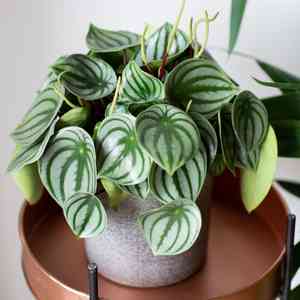
This distinctive plant, recognized for its striped leaves resembling watermelon skins, thrives with occasional trimming to preserve its form and encourage vigorous development. For watermelon peperomia, trimming should concentrate on detaching withered or discolored foliage at the stem's foundation. Pinch back elongated stems to foster a denser growth habit and clip off faded flower stalks. Perform pruning from early spring until late autumn, but refrain from doing so in winter to avert strain. Pruning improves air circulation and light exposure, which are crucial for watermelon peperomia's well-being.
What Are the Benefits of Pruning Watermelon Peperomia?
What Are the Benefits of Pruning Watermelon Peperomia?
Trimming watermelon peperomia promotes vigorous development and preserves its distinctive rounded leaf shape, crucial for its decorative appeal. This practice also aids in removing any discolored or lifeless leaves, ensuring watermelon peperomia stays healthy and visually appealing.
What Is the Best Time for Pruning Watermelon Peperomia?
What Is the Best Time for Pruning Watermelon Peperomia?
These periods are considered ideal for trimming watermelon peperomia due to its growth cycle and health maintenance. In early spring, watermelon peperomia begins its active growth phase, and pruning then encourages new growth and helps shape the plant as it enters this energetic period. Late autumn marks the end of watermelon peperomia's growth cycle, and light trimming can help maintain the plant's structure and remove any dead or yellowing leaves before winter's slower growth. Avoiding pruning during the dormant winter minimizes stress and potential harm to watermelon peperomia. Pruning during active growth allows the plant to recover quickly and thrive, ensuring robust health and attractive foliage.
What Tools Do I Need to Prune Watermelon Peperomia?
Precision Pruning Snips
Given that watermelon peperomia possesses small, delicate leaves resembling a watermelon's skin, precision pruning snips are the perfect instrument for making accurate cuts without harming adjacent foliage. Their sharp, pointed blades enable precise snipping of individual stems and removal of any unwanted or yellowing leaves.
Scalpel or Razor Blade
A sterilized scalpel or razor blade can be employed for very detailed pruning tasks, such as excising diseased or dead tissue from watermelon peperomia. These instruments provide a clean cut that facilitates quicker healing and lessens the chance of disease.
Gloves
Wearing gloves while trimming watermelon peperomia can offer protection against sap, which might irritate some skin, and also ensure that hand oils do not transfer to the plant, potentially harming sensitive foliage.
Isopropyl Alcohol
Before and after pruning watermelon peperomia, it is essential to sanitize tools with isopropyl alcohol to prevent disease spread. This step is especially important for plants like watermelon peperomia, which can be vulnerable to infections at cut sites.
How to Prune Watermelon Peperomia
Step1: Inspect Plant for Dead Foliage
Examine watermelon peperomia to locate all dead leaves and damaged stems. Ensure the plant is well-hydrated a day prior to pruning, which will make the leaves and stems more flexible and easier to manage.
Step2: Sterilize Pruning Tools
Sanitize your pruning tools with rubbing alcohol or a 10% bleach solution to prevent the spread of pathogens.
Step3: Trim Dead Leaves Cleanly
Using sharp, clean scissors or pruning shears, snip off dead leaves at their base where they connect to the stem. Make a clean cut without tearing the plant tissue.
Step4: Cut Damaged Stems at Angle
For compromised stems, trace them down to the plant's base, or to the nearest healthy leaf node, and cut at a 45-degree angle. This angle aids in healing and water runoff.
Step5: Prune Sparingly to Reduce Stress
Remove only one-third of the plant's total foliage at a time to avoid causing excessive stress, which can hinder growth or lead to the loss of watermelon peperomia.
Step6: Dispose of Clippings Properly
Discard the removed leaves and stems to prevent the risk of fungal or bacterial diseases.
Step7: Water Plant Post-Pruning
After pruning, lightly water watermelon peperomia to help it recover from the stress of trimming, but be mindful of its need for well-draining soil to prevent root rot.
Step8: Monitor Plant and Withhold Fertilizer
Observe watermelon peperomia over the subsequent weeks, allowing the plant to focus on new healthy growth. Avoid fertilizing immediately after pruning to give watermelon peperomia a chance to heal.
Step9: Provide Indirect Sunlight and Regular Watering
Finally, ensure watermelon peperomia is placed in indirect sunlight, as direct sunlight can harm the newly cut areas. Maintain a consistent watering schedule, allowing the soil to dry out slightly between waterings.
Post-Pruning Care for Watermelon Peperomia
Post-Pruning Care for Watermelon Peperomia
Immediately after trimming watermelon peperomia, ensure clean cuts to minimize stress and infection risk. Adjust to moderate, indirect light and maintain a consistent temperature of 65-75°F to support recovery. Sustain high humidity but avoid waterlogging. Resume fertilizing with a balanced liquid fertilizer at half strength monthly, to aid growth without overwhelming watermelon peperomia. Monitor for wilted or yellow leaves, signaling stress or disease, and adjust care accordingly. For infections, isolate and treat with fungicide.
Common Pruning Mistakes with Watermelon Peperomia
Avoid over-pruning to prevent plant shock and stunted growth
Excessive pruning can shock watermelon peperomia, leading to inhibited growth or even the plant's demise.
Use sharp and clean tools to prevent damaging plants
Employing dull or unclean pruning tools can harm watermelon peperomia's stems and leaves, potentially introducing disease.
Do not prune too close to the main stem to protect growth points
Trimming too near the main stem might damage the central growing point, which can impede new growth.
Common Pruning Tips for Watermelon Peperomia
Make precise cuts with sharp, clean shears for quick recovery
Utilize sharp, clean shears to make accurate cuts, which aid watermelon peperomia in recovering faster and reduce the risk of disease transmission.
Prune above leaf nodes for bushier growth and better aesthetics
Cut back leggy stems just above a leaf node to encourage denser growth, preserving the aesthetic appearance of watermelon peperomia.
Remove dead leaves to enhance plant health without over-pruning
Remove only the dead or yellowing leaves to boost the overall health and look of watermelon peperomia, while avoiding excessive removal of healthy foliage.



