How to Prune Reed canary grass?
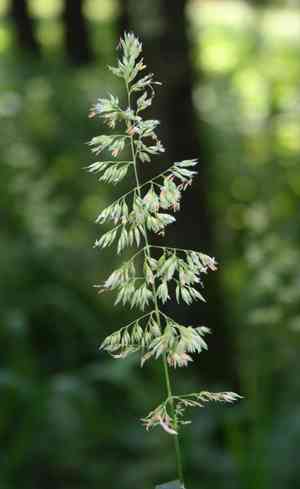
This enduring grass is distinguished by its robust development and lofty, plume-like inflorescences. For reed canary grass, it is crucial to cut it back to soil level in early spring or late winter to sustain its vitality. This schedule permits trimming prior to the emergence of new shoots, thereby inhibiting the plant from becoming overly aggressive. Consistent trimming enhances air circulation, stimulates fresh development, and can elevate its aesthetic appeal. Prudence is recommended to avert undesirable proliferation by guaranteeing that cuttings are discarded appropriately.
What Are the Benefits of Pruning Reed Canary Grass?
What Are the Benefits of Pruning Reed Canary Grass?
Trimming reed canary grass promotes vigorous development and preserves its desired shape, preventing excessive growth and fostering optimal health.
What Is the Best Time for Pruning Reed Canary Grass?
What Is the Best Time for Pruning Reed Canary Grass?
Cutting or trimming reed canary grass in early spring coincides with the end of its dormant phase, just before new growth emerges. This timing supports strong regrowth and aids in maintaining the plant's form and vitality. Winter pruning is also ideal as reed canary grass is inactive; this minimizes plant stress and lowers the chance of disease spread. Avoiding pruning during the active growing season ensures the plant's energy is directed towards development, rather than recovery from cuts.
What Tools Do I Need to Prune Reed Canary Grass?
Manual Grass Shears
Designed for precise cuts near the ground, manual grass shears are perfect for trimming reed canary grass. Their long blades can easily manage the dense foliage of reed canary grass without harming the plant.
Hedge Shears
For shaping and controlling the height of reed canary grass, hedge shears offer a broad cutting edge to quickly cover larger areas and create uniform borders.
Powered String Trimmer
When dealing with extensive areas of reed canary grass, a powered string trimmer can efficiently cut back the grass to maintain desired heights and density, saving time and effort.
Pruning Saw
If reed canary grass has developed thick, woody stems, a pruning saw might be necessary to cut through the tough material without straining the gardener's hands.
Gardening Gloves
To shield hands from the sharp edges of reed canary grass foliage, durable gardening gloves are crucial when trimming or handling the plant.
Long-Handled Loppers
If reed canary grass has grown excessively tall, long-handled loppers can help reach and cut stems at a higher level while ensuring the gardener's safety by maintaining distance.
How to Prune Reed Canary Grass
Step1: Assessment for Pruning
Evaluate reed canary grass for trimming at the close of the growing season or early spring before new growth. Look for dead stalks and old foliage requiring removal.
Step2: Tool Preparation
Prepare clean and sharp pruning implements to ensure precise cuts and minimize disease risk. This may include hand pruners, shears, or larger tools for thick stems.
Step3: Removing Dead Stalks
Start by removing dead stalks at the base, cutting as close to the ground as possible without harming new shoots. Dead material is identifiable by its brown or gray color and dry, brittle texture.
Step4: Pruning Old Foliage
Trim old foliage by identifying leaves that are over a year old and show signs of aging. Cut these leaves near the base to encourage new, healthy growth.
Step5: Thinning Dense Growth
Thin out crowded areas by selectively removing some older stalks. This helps improve airflow and light penetration, promoting the health of reed canary grass.
Step6: Reshaping the Plant
Reshape reed canary grass if needed by carefully cutting irregular or elongated stalks. Aim for a natural, rounded form for aesthetic purposes and to maintain the plant's natural growth habits.
Step7: Disposal of Trimmings
Discard all removed material away from the garden to prevent any potential for disease or pest infestation.
Step8: Cleaning of Tools
Clean tools after use to prevent the spread of any pathogens that might have been present on dead or decaying plant material.
Step9: Post-Pruning Watering
Water reed canary grass sufficiently after pruning to help reduce plant stress and encourage new growth.
Post-Pruning Care for Reed Canary Grass
Post-Pruning Care for Reed Canary Grass
Immediately after trimming reed canary grass, water thoroughly to prevent shock and aid root recovery. Ensure the environment provides indirect light, maintaining humidity and temperature suitable for grasses, avoiding extremes. Apply a balanced fertilizer to replenish nutrients and stimulate growth. Regularly check for discolored leaves or stems, indicating stress or infection, and treat promptly with appropriate fungicides or pest control. Vigilant monitoring of growth and health ensures quick response to recovery needs.
Common Pruning Mistakes with Reed Canary Grass
Damaging Cuts with Dull Blades
Incorrect Pruning Technique: Using dull blades or improper cutting methods can harm reed canary grass's stems, increasing the risk of disease and pest infestation.
Harmful Over-Pruning Stress
Over-Pruning: Removing too much foliage or too many stems at once can stress reed canary grass, hindering its growth and diminishing its overall vitality.
Negative Growth Impact from Blind Pruning
Pruning Blindly: Without understanding the growth habit of reed canary grass, gardeners might cut back essential growth points, negatively impacting the plant's ability to thrive.
Common Pruning Tips for Reed Canary Grass
Clean Cuts with Sharp Pruning Shears
Use Sharp Tools: Always trim reed canary grass with sharp, clean pruning shears to make precise cuts that help the plant heal faster and reduce the risk of disease transfer.
Health-Focused Selective Pruning
Selective Pruning: Focus on removing dead or damaged foliage and stems, as well as any growth that appears diseased or pest-infested, to maintain the health and appearance of reed canary grass.
Improved Airflow Through Thinning
Prune for Airflow: Thin out dense areas of reed canary grass to promote better air circulation, which can help prevent fungal diseases and encourage healthier growth.
Shaping for Natural Plant Appearance
Maintain Plant Shape: Trim reed canary grass to preserve its natural form, promoting a more attractive appearance and preventing any single part of the plant from overshadowing another.



