How to Prune Shrubby jerusalem sage?
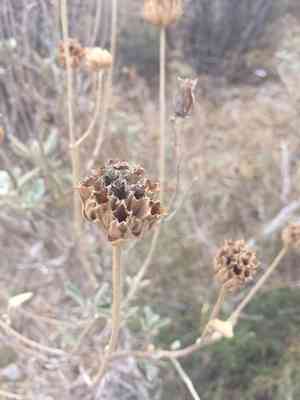
This plant, indigenous to the Mediterranean region and recognized by its fuzzy, silvery foliage and golden blossoms, flourishes in arid environments. For shrub-like Jerusalem sage, trim after the blooming period to preserve its form and eliminate faded flowers, typically from late spring to early summer. This practice stimulates fresh development and enhances the plant's robustness. Any lifeless or injured branches ought to be trimmed back to sound wood. Trimming additionally enhances air movement, thereby lowering the likelihood of disease. Consistent thinning is advantageous, but refrain from cutting into aged, unproductive wood.
What Are the Benefits of Pruning Shrubby Jerusalem Sage?
What Are the Benefits of Pruning Shrubby Jerusalem Sage?
Trimming shrubby jerusalem sage promotes abundant blooms and boosts resistance to disease and pests, ensuring the plant stays healthy and attractive.
What Is the Best Time for Pruning Shrubby Jerusalem Sage?
What Is the Best Time for Pruning Shrubby Jerusalem Sage?
These periods are considered ideal because shrubby jerusalem sage finishes flowering in spring. Pruning after blooming allows for the removal of spent flowers and stimulates new development. During late spring and early summer, shrubby jerusalem sage enters a growth phase where trimming won't disrupt active flowering and can help shape the plant and manage its size. Additionally, pruning at this time helps prevent diseases by eliminating any dead or damaged stems before the wetter conditions of autumn and winter. This timing aligns with the plant's natural growth cycle and encourages robust growth for the subsequent season.
What Tools Do I Need to Prune Shrubby Jerusalem Sage?
Bypass Pruners
Perfect for making clean cuts on young or soft stems of shrubby jerusalem sage without crushing plant tissues.
Loppers
Useful for reaching thicker stems or those located within the denser parts of the shrub, offering more leverage for cleaner, larger cuts.
Pruning Saws
Essential for removing old, woody stems of shrubby jerusalem sage as they can cut through thicker branches than pruners and loppers.
Gardening Gloves
Protects hands from thorns and rough stems while trimming shrubby jerusalem sage.
Pruning Shears
Good for shaping shrubby jerusalem sage and cutting back herbaceous growth without harming surrounding foliage.
How to Prune Shrubby Jerusalem Sage
Step1: Prune Timing: Late Winter or Early Spring
Timing: Select the appropriate time to prune shrubby jerusalem sage, typically late winter or early spring, after the last severe frost but before new growth commences.
Step2: Sanitize Tools with Bleach Solution
Clean and disinfect your pruning tools to prevent disease transmission. Use a solution of 1 part bleach to 9 parts water to wipe your pruning shears.
Step3: Remove Dead Stems at Ground Level
Identify and remove all dead stems down to the plant's base, cutting just above ground level, to maintain plant health and encourage new growth.
Step4: Cut Off Yellow Leaves for Air and Light
Look for yellow leaves, which may indicate age or illness, and carefully remove them by cutting at their base, close to the stem, promoting better air circulation and sunlight penetration.
Step5: Deadhead Spent Flowers Above Leaf Nodes
Cut back faded flowers to just above a set of leaves or a growth node to encourage new blooms and reduce energy spent on seed production.
Step6: Trim to Shape and Promote Healing
Shape shrubby jerusalem sage by selectively trimming overgrown sections to maintain a natural, rounded form. Always cut at a 45-degree angle just above a leaf node to promote healing and regrowth.
Step7: Thin Out Old Stems for Disease Prevention
Thin out overcrowded areas by removing some of the oldest, thickest stems at their base. This will increase light and air flow to the plant's center, reducing the chance of disease.
Step8: Dispose of Clippings to Deter Pests
Discard all clippings and debris to avoid attracting pests and diseases to the area.
Step9: Watering Plant Post-Pruning
Water the plant after pruning to help it recover and settle any disturbed soil around the base.
Step10: Monitor Plant for Post-Pruning Stress
Monitor the plant for signs of stress after pruning and adjust your care routine accordingly to support healthy regrowth.
Post-Pruning Care for Shrubby Jerusalem Sage
Post-Pruning Care for Shrubby Jerusalem Sage
Immediately after trimming shrubby jerusalem sage, ensure it's gently watered to help reduce stress. Keep shrubby jerusalem sage in a sunny spot as it thrives with ample light, but shield it from harsh conditions. Maintain moderate humidity and avoid sudden temperature changes. Apply balanced fertilizer to replenish nutrients and stimulate growth. Regularly inspect shrubby jerusalem sage for any signs of stress such as wilting or discolored foliage, and promptly address issues like infections with appropriate fungicides or pest controls.
Common Pruning Mistakes with Shrubby Jerusalem Sage
Over-pruning can shock and harm
Trimming shrubby jerusalem sage too severely can shock the plant, risking reduced flowering or even death. This plant tolerates pruning but needs sufficient foliage for photosynthesis and energy storage.
Avoid cutting into old, non-regenerative wood
Cutting into old wood can be a critical error as shrubby jerusalem sage may not regenerate from such cuts. Always leave some new growth on each branch.
Leaving dead or diseased stems reduces health
Neglecting to remove dead or diseased stems can lead to a sapping of shrubby jerusalem sage's vitality, potentially causing further health issues and diminishing its aesthetic appearance.
Unsterilized tools may spread disease
Failing to sterilize pruning tools between cuts can spread disease, affecting shrubby jerusalem sage and other plants.
Improper shape pruning can disfigure
Pruning without assessing the natural shape of shrubby jerusalem sage can result in a disfigured plant. Pruning should maintain or enhance the plant's natural form.
Common Pruning Tips for Shrubby Jerusalem Sage
Prune above leaves or nodes for growth
When pruning shrubby jerusalem sage, make cuts just above a set of leaves or a node to encourage new growth and maintain a natural shape.
Thin stems for better air and light
Thin out crowded stems to improve air circulation and light penetration, which benefits shrubby jerusalem sage's overall health and promotes more vigorous flowering.
Remove damaged stems to protect vitality
Remove any dead, damaged, or diseased stems promptly upon identification to preserve shrubby jerusalem sage's vitality and mitigate the spread of potential infection.
Use sharp, clean tools for best results
Utilize sharp, clean pruning tools to make precise cuts that will heal quickly and minimize stress on shrubby jerusalem sage.
Light pruning post-flowering encourages new growth
After flowering, lightly prune shrubby jerusalem sage to shape the plant and encourage a flush of fresh growth, taking care not to remove all the current year's growth as this could affect future flowering.



