How to Prune American mistletoe?
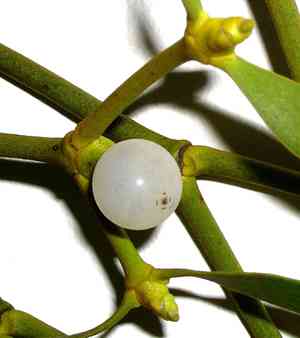
This partially parasitic perennial is frequently observed as a holiday adornment. For american mistletoe, trim to preserve plant vitality and manage its proliferation. Essential methods involve reducing more congested sections, eliminating injured or lifeless portions, and thinning substantial clusters. The most effective time for trimming is in winter when the host trees are inactive and the entire framework of american mistletoe is apparent. Trimming can improve air movement, lessen the burden on host limbs, and stimulate robust development. Employ disinfected implements to avert the spread of pathogens.
Advantages of Trimming American Mistletoe
Advantages of Trimming American Mistletoe
Trimming american mistletoe promotes robust development and helps maintain its desired form. Consistent cutting can encourage healthier, more vigorous foliage and prevent the plant from becoming unruly or overgrown.
Optimal Time for Trimming American Mistletoe
Optimal Time for Trimming American Mistletoe
The ideal period to trim american mistletoe is during winter, as the plant is in a dormant state. Pruning in the inactive season minimizes stress on american mistletoe, since it's not actively growing and can better endure the removal of branches or stems. This timeframe also allows for clearer visibility of the plant's structure without leaves, aiding in more strategic and effective pruning. Furthermore, as american mistletoe typically produces berries in winter, pruning then can help manage the spread of this hemiparasitic plant by reducing seed dispersal.
Required Tools for Trimming American Mistletoe
Hand pruners
Perfect for snipping thinner stems and branches of american mistletoe, providing a clean cut that encourages healthy regrowth.
Loppers
Useful for reaching higher branches and cutting through thicker stems of american mistletoe that hand pruners might not manage.
Pruning saw
Essential for removing mature or dense growth of american mistletoe when branches are too thick for hand pruners or loppers.
Pole pruner
Enables the safe removal of american mistletoe from host trees without needing a ladder, reducing risk of harm to the host or the pruner.
How to Trim American Mistletoe
Sanitize Tools
Before trimming american mistletoe, ensure all tools are disinfected to prevent disease transmission. Use a solution of one part bleach to nine parts water to clean pruning shears and saws.
Remove Deadwood
Carefully inspect american mistletoe for any dead parts. Use sharp pruning shears to remove these sections close to the live stem, taking care not to damage healthy tissue.
Trim Upward Growth
Identify branches growing vertically that might be disrupting the natural shape of american mistletoe. Cut these branches back to a lateral branch or bud that faces the desired direction for new growth.
Manage Excessive Growth
To control overgrowth, selectively remove some of the denser clusters by cutting back to a main branch. This will improve air circulation and light penetration, promoting the health of american mistletoe.
Clean Up
After trimming, gather and dispose of all cuttings to minimize the risk of pest and disease infestation. Clean the tools again and store them properly to maintain their condition.
Common Trimming Errors with American Mistletoe
Over-Pruning
Removing too much of american mistletoe in a single trimming session can stress the plant, potentially leading to poor growth or even plant demise.
Incorrect Cut Placement
Cutting american mistletoe too far from a node or leaving too long a stub can impede healing and encourage disease entry.
Ignoring Disease Prevention
Failing to sterilize trimming tools before use on american mistletoe can spread diseases from infected plants to healthy ones.
Neglecting Plant Structure
Indiscriminately removing branches without considering the natural shape of american mistletoe can result in a weakened structure and reduced vigor.
Overlooking Weakened Areas
Omitting to remove weak or dead growth can cause american mistletoe to expend energy unnecessarily on nonviable parts, diverting it from healthy growth.
Inadequate Tool Choice
Using dull or unsuitable tools for trimming american mistletoe can damage tissues, leading to ragged cuts that heal poorly.
General Trimming Advice for American Mistletoe
Selective Trimming
Focus on removing only the necessary parts, such as damaged or diseased growth, to maintain the health of american mistletoe.
Clean Cuts
Make clean, angled cuts just above nodes to promote better healing and reduce the chance of disease in american mistletoe.
Regular Tool Maintenance
Keep trimming tools sharp and clean them before and after use on american mistletoe to ensure clean cuts and prevent disease spread.
Structural Trimming
Consider the natural form of american mistletoe while trimming to ensure that the plant remains balanced and aesthetically pleasing.
Vigilant Removal
Regularly check american mistletoe for signs of weak or dead material and remove it to redirect the plant's energy to healthy growth.
Appropriate Tool Selection
Select the correct size and type of trimming tool for american mistletoe to make precise cuts without damaging surrounding areas.



