How to Prune Moso bamboo?
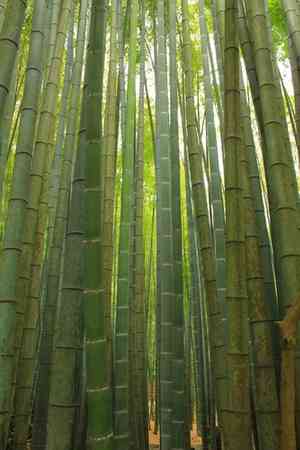
Moso bamboo, a majestic, perennial grass, stands out due to its swift development and stalks that can surpass 20 meters. Effective trimming fosters its well-being and strength. Concentrating on culm reduction, eliminate aged, frail stalks to improve air movement and light exposure. Make cuts directly above a joint with sharp, sanitized implements. The perfect period is early spring or late winter, following its dormant phase but prior to fresh development. Trimming improves the grove's visual appeal, manages its dimensions, and stimulates sturdy, new sprouts, maximizing moso bamboo's decorative and practical value.
What Are the Benefits of Pruning Moso Bamboo?
What Are the Benefits of Pruning Moso Bamboo?
Trimming moso bamboo promotes more robust development by eliminating aged stalks and reducing crowded areas, allowing light to penetrate inner sections. It aids in maintaining a desired form, preventing excessive growth and ensuring visual appeal.
What Is the Best Time for Pruning Moso Bamboo?
What Is the Best Time for Pruning Moso Bamboo?
Cutting or trimming moso bamboo during late winter to early spring is optimal, as these periods coincide with the plant's natural dormant phase. Pruning at this time enables the removal of any dead or damaged stalks before the rapid growth period that commences in spring. This timing also avoids cutting during the plant's most active growth phases in late spring and summer, which can stress the plant and deplete its energy reserves. Furthermore, pruning during dormancy minimizes the chance of disease and pest infestation, as open wounds on the bamboo can attract unwanted pests and the cooler weather hinders the spread of diseases.
What Tools Do I Need to Prune Moso Bamboo?
Sharp Bypass Pruners
Designed to create clean cuts without crushing stems, crucial for moso bamboo upkeep to encourage vigorous new growth.
Long-Handled Loppers
Perfect for reaching thicker branches or culms of moso bamboo. They offer leverage to easily cut through stems up to 1.5 inches in diameter.
Hand Saw
Useful for cutting mature culms of moso bamboo that loppers cannot manage. A saw with fine teeth will produce smoother cuts.
Pole Saw
Enables the user to trim higher branches of moso bamboo from the ground, facilitating safe and efficient management of its elevated growth.
Heavy-Duty Hedge Shears
Suitable for trimming the smaller, leafy branches of moso bamboo to shape the grove or hedge.
Gloves
Thick, durable gardening gloves to shield hands from moso bamboo's rough culms and lessen the risk of injury.
Safety Goggles
To protect eyes from falling debris when cutting overhead branches of moso bamboo.
How to Prune Moso Bamboo
Clean Tools
Ensure all pruning tools are clean and sharp to prevent disease transmission and make precise cuts on moso bamboo.
Inspect
Carefully examine moso bamboo for diseased and withered leaves. Identify foliage showing signs of discoloration, spots, or decay.
Remove Diseased Leaves
Using pruning shears, gently remove diseased leaves from moso bamboo by cutting at the base of each leaf's stem, being careful not to harm adjacent healthy tissue.
Remove Withered Leaves
Trim withered leaves from moso bamboo by similarly cutting at the stem's base. These are leaves that appear dry or brown and are no longer vital for the plant's growth.
Dispose
Discard all removed material from moso bamboo in a way that will not facilitate the spread of any potential pathogens. Do not compost diseased or withered foliage.
Common Pruning Mistakes with Moso Bamboo
Overpruning
Removing too many culms (stalks) at once can stress moso bamboo and diminish its vigor. It is crucial to maintain a balance between old and new growth for stability and health.
Cutting Young Culms
Cutting too many young culms can hinder the future growth of moso bamboo. Only mature culms, typically at least 3 years old, should be pruned to ensure continuous rejuvenation.
Improper Tools
Using dull or dirty pruning tools can damage the culms and leaves of moso bamboo, increasing the risk of disease. Tools should be sharp and clean for accurate cuts.
Ignoring Culm Height
Cutting the culms at inconsistent heights can result in an untidy appearance and may not encourage the desired growth patterns. It is vital to cut at the correct height relative to node presence.
Neglecting Weak Culms
Failing to remove weak or dead culms compromises the health and aesthetics of moso bamboo. Regularly remove these to maintain vigor and reduce disease risks.
Common Pruning Tips for Moso Bamboo
Healthy Culms Selection
When trimming moso bamboo, choose healthy and strong culms to remain as they will support the overall growth and structural integrity.
Sharp Clean Cuts
Make sharp, clean cuts above the nodes when pruning to prevent damage. This promotes better healing and reduces the risk of pests and disease infecting moso bamboo.
Prune For Airflow
Ensure to thin out dense areas, allowing for adequate sunlight penetration and airflow, which helps prevent fungal diseases and promotes healthier moso bamboo.
Culm Aging Identification
Learn to identify the age of culms; only prune those that have reached full maturity (at least 3 years old) to ensure the longevity and vitality of the stand.
Safety First
Always wear protective gear when pruning moso bamboo because the leaves can have sharp edges. Gardening gloves and long sleeves can help prevent skin irritation and cuts.



