How to Prune Norway spruce?
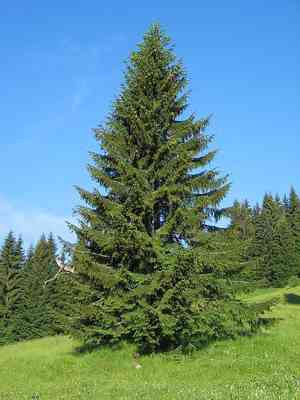
This evergreen conifer is notable for its towering height and pyramidal form. For norway spruce, selective removal of branches is vital, eliminating congested limbs to improve airflow and allow more light to reach the interior. Perform pruning in late winter prior to the emergence of new shoots. Avoid making cuts into mature wood, as it might not recover. Trimming enhances the tree's framework and lowers the probability of illness. It is indispensable for preserving the visual appeal of the landscape and guaranteeing the extended life of norway spruce.
Advantages of Trimming Norway Spruce
Advantages of Trimming Norway Spruce
Trimming norway spruce promotes robust development and maintains its form, which is vital for landscape appeal and plant vitality. Removing dead or diseased branches lowers disease risk and stimulates fresh, healthy growth.
Optimal Period for Pruning Norway Spruce
Optimal Period for Pruning Norway Spruce
Pruning in late winter offers several benefits. First, norway spruce is dormant then, so cutting branches minimizes sap loss and reduces pest attraction or disease infection. Also, without foliage, the plant's structure is clearer, allowing for more precise cuts. This timing also avoids disrupting the plant's natural spring growth cycle, as pruning at this stage lets norway spruce heal quickly and direct energy to new growth when it warms. Finally, avoiding fall pruning is crucial because cuts made then can slow norway spruce's hardening process, making it more vulnerable to winter damage.
Essential Tools for Pruning Norway Spruce
Hand Pruners
Ideal for clipping smaller, thinner branches of norway spruce. Bypass hand pruners create a clean cut and prevent stem crushing.
Loppers
Perfect for cutting branches up to 1.5 inches thick on norway spruce. Their long handles provide leverage for cutting thicker wood without harming the plant.
Pruning Saw
Required for removing larger branches that hand pruners and loppers cannot manage. A pruning saw can quickly cut branches several inches thick without damaging norway spruce.
Pole Pruner
Useful for reaching higher branches on norway spruce without a ladder. It features a saw or lopper attached to an extendable handle.
Shears
For trimming and shaping the foliage of norway spruce to maintain its appearance. Excellent for clipping smaller twigs and helping create a desired plant shape.
Gloves
To safeguard hands while pruning norway spruce, as branches can be prickly, and they help maintain a firm grip on tools.
How to Prune Norway Spruce
Step1: Best Pruning Season
Determine the correct time of year for pruning norway spruce, typically late winter or early spring before new growth starts. This helps prevent disease entry and minimizes plant stress.
Step2: Tool Sanitization
Clean and sterilize your pruning tools before use to prevent disease spread. This can be done with a solution of 1 part bleach to 9 parts water or rubbing alcohol.
Step3: Dead Wood Removal
Begin by removing dead wood, cutting back to live tissue, ensuring cuts are at a slight angle to prevent water accumulation, which can lead to decay. Avoid leaving stubs as they can attract pests.
Step4: Diseased Branch Trimming
Prune diseased branches by cutting at least a few inches into healthy wood past the affected area. Dispose of these branches properly; do not compost as this can spread disease.
Step5: Damaged Limb Excision
Address broken limbs by making a clean cut to remove the entire damaged section. If a larger limb is broken, use a three-cut method to prevent bark tearing: first, make an undercut about a third of the way through the limb a few inches from the trunk. Second, cut downwards from the top a little further out than the undercut until the branch falls away. Finally, clean up the stub, cutting just outside the branch collar for proper healing.
Step6: Conservative Shaping
Shape norway spruce carefully, avoiding excessive pruning as this can reduce its natural defenses and vigor. Remove no more than 25% of the foliage annually. For shaping, selectively thin out branches to maintain its pyramidal form.
Step7: Clean Cutting Technique
Make all pruning cuts precise and clean to promote rapid healing. Use sharp tools to avoid crushing or tearing branches, which could lead to further damage or disease.
Step8: Post-Pruning Tool Care
After pruning, clean your tools again to prevent the spread of any potential pathogens, and monitor the norway spruce for signs of stress or disease in the following weeks, providing appropriate care as needed.
Post-Pruning Care for Norway Spruce
Post-Pruning Care for Norway Spruce
Immediately after pruning norway spruce, ensure clean cuts to prevent disease. Optimal light exposure, moderate humidity, and avoiding extreme temperatures aid recovery. Apply balanced fertilizer to support new growth, but avoid over-fertilization, which can stress norway spruce. Regularly inspect for discoloration, dieback, or signs of infection. If issues arise, promptly apply appropriate fungicides or insecticides. Consistent water supply is crucial, but avoid overwatering which could contribute to root rot.
Common Pruning Errors with Norway Spruce
Over-Pruning Stress and Damage
Pruning too severely, which can cause stress to norway spruce, lead to fewer new shoots, and potentially damage the overall shape and health of the tree.
Using Dull or Dirty Pruning Tools
Using dull or unclean tools, which can result in ragged cuts that are more susceptible to pests and diseases, affecting norway spruce's health.
Ignoring Tree's Growth Pattern in Pruning
Pruning without understanding the tree's growth pattern, leading to cuts that may inhibit natural form or encourage undesired growth.
Common Pruning Tips for Norway Spruce
Clean Cuts Above Buds for Directed Growth
Make clean cuts just above a bud that faces the direction in which you want the new growth to go. This promotes healthy branching in norway spruce.
Pruning Only Unhealthy or Problematic Branches
Remove only dead, damaged, or diseased branches, and any that cross or rub against each other to maintain norway spruce's health and natural appearance.
Sharp, Sterilized Tools for Healthy Cuts
Use sharp, sterilized pruning tools to ensure clean cuts and reduce the risk of transmitting diseases to norway spruce.



