How to Prune Serbian spruce?
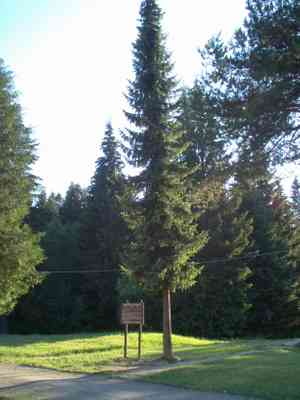
The Serbian spruce, a coniferous evergreen recognized for its slender, conical form, is a favored selection for landscaping. Trimming requirements are slight, primarily involving the elimination of deceased or fractured limbs, which ought to be severed near the main stem without leaving remnants. The most suitable period for pruning is during winter while the tree is inactive, thereby reducing sap leakage and strain. This practice can improve the plant's aesthetic and avert illness. Caution is necessary to avoid severing into the branch cluster, as the Serbian spruce exhibits a sluggish growth pace and might not recuperate from extensive trimming.
What Are the Benefits of Pruning Serbian Spruce?
What Are the Benefits of Pruning Serbian Spruce?
Trimming serbian spruce promotes vigorous development and maintains its desired silhouette. Strategic cuts can stimulate branches to grow more densely, fostering a full, healthy canopy. This essential care helps manage serbian spruce's size, highlighting its naturally elegant form.
What Is the Best Time for Pruning Serbian Spruce?
What Is the Best Time for Pruning Serbian Spruce?
Trimming serbian spruce during late winter to early spring, just before the growth cycle commences, ensures that wounds heal faster as new growth begins, reducing the risk of disease or pest infestation. This timing also prevents potential damage to next year's growth, as it avoids cutting off new buds that are formed later in the season. Additionally, pruning in this dormant season allows for easier visibility of serbian spruce's structure without foliage, enabling more precise cuts and maintenance of the plant's desired shape.
What Tools Do I Need to Prune Serbian Spruce?
Hand pruners
Perfect for cutting small branches of serbian spruce up to about half an inch in diameter. Choose bypass pruners for clean cuts that promote healthy regrowth.
Loppers
Appropriate for medium-sized branches typically up to 1.5 to 2 inches in diameter. Their long handles provide leverage to make clean cuts without damaging serbian spruce.
Pruning saw
Required for larger branches over 2 inches in diameter on serbian spruce. A curved blade pruning saw can make it easier to reach into dense foliage and make precise cuts.
Pole pruner
Useful for reaching higher branches of serbian spruce without the need for a ladder. Look for models with a bypass cutting action for healthier cuts.
Hedge shears
Can be used for shaping serbian spruce if a formal hedge appearance is desired. However, use sparingly as rough cuts can harm serbian spruce.
Pruning gloves
Crucial for personal protection while pruning serbian spruce as it can have sharp needles and branches.
How to Prune Serbian Spruce
Clean Tools
Before starting, ensure all pruning tools are clean and sharp to prevent the spread of disease and make clean cuts.
Inspect
Carefully inspect serbian spruce for dead or diseased branches, which may be discolored, have no foliage, or show visible signs of infection.
Remove Dead Branches
Prune dead branches by cutting at the base where they meet a healthy stem or the main trunk. Avoid leaving stubs as they can be entry points for pests or disease.
Remove Diseased Branches
For diseased branches, cut at least several inches into healthy wood beyond the discolored or infected area to ensure all diseased tissue is removed.
Dispose
Properly dispose of removed material away from serbian spruce to prevent any potential spread of disease to healthy parts of the plant or nearby plants.
Common Pruning Mistakes with Serbian Spruce
Over-Pruning
One of the most frequent missteps is removing too much foliage at once, which can weaken serbian spruce and make it susceptible to diseases and environmental stress.
Improper Cuts
Improper cutting technique can damage the bark and surrounding limbs, leading to decay and poor wound healing on serbian spruce.
Neglecting Tools
Failing to use sharp, clean pruning tools can result in rugged cuts that are harmful to serbian spruce and may spread diseases.
Shaping
Attempting to heavily shape or sculpt serbian spruce into non-natural forms can compromise the plant's health and growth habit.
Flush Cutting
Making flush cuts against the trunk or main branches can remove the branch collar, slowing down the healing process and leading to disease entry on serbian spruce.
Common Pruning Tips for Serbian Spruce
Selective Pruning
Focus on selectively removing dead or broken branches and any that rub against each other, to maintain the health and natural form of serbian spruce.
Three-Cut Method
Utilize the three-cut method on larger branches to prevent bark tearing: first undercut, then make a relief cut further out, and finally cut near the branch collar.
Tool Care
Regularly sterilize and sharpen pruning tools to ensure clean cuts that will heal more readily on serbian spruce.
Cut Angle
Cut at a slight angle, away from the bud or branch collar, to allow water runoff and prevent decay in serbian spruce.
Incremental Pruning
Prune incrementally and assess the tree's appearance and balance as you go, rather than removing a large portion of branches all at once.



