How to Prune Aluminum plant?
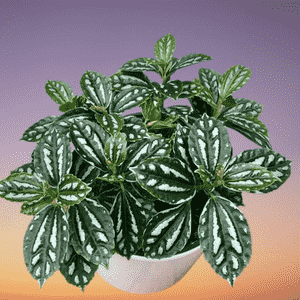
This resilient, perennial evergreen, featuring distinctive silver-patterned foliage, flourishes in indoor environments. For Pilea cadierei, consistently nipping off stem ends encourages a more compact form. Remove any withered or discolored leaves near the base to preserve its appearance and vitality. The most effective time for trimming is from early spring through late autumn, aligning with Pilea cadierei's period of vigorous development. Advantages of pruning encompass improved air movement, revitalization, and averting elongated stems. Utilizing sharp, sanitized cutting tools is crucial to avert the spread of pathogens during this procedure.
What Are the Benefits of Pruning Aluminum Plant?
What Are the Benefits of Pruning Aluminum Plant?
Trimming aluminum plant promotes vigorous development and maintains a dense, attractive shape. Removing elongated stems encourages a fuller habit, ensuring aluminum plant looks its best.
What Is the Best Time for Pruning Aluminum Plant?
What Is the Best Time for Pruning Aluminum Plant?
These periods are considered ideal as aluminum plant's active growth phase typically occurs then. Pruning in early spring stimulates new growth, as the plant emerges from dormancy and begins its growing season. Trimming in late fall is beneficial as it prepares aluminum plant for the dormant winter period, removing any leggy or overgrown sections and preserving its form. This timing also prevents the stress that pruning during dormancy can cause. Furthermore, since aluminum plant is not known for significant flowering or fruiting periods that might dictate pruning times, the specified seasons align well with its overall health and vigor maintenance.
What Tools Do I Need to Prune Aluminum Plant?
Sharp Scissors
For aluminum plant, a pair of sharp, clean scissors is suitable for snipping off yellow or dead leaves, as the plant is relatively small with soft stems that do not require heavy-duty cutting tools.
Pruning Shears
These are ideal for shaping aluminum plant or cutting back any overgrown branches. Bypass pruning shears work best as they provide a clean cut that helps prevent damage to the delicate stems.
Gloves
While not a cutting tool, gloves protect your hands when pruning aluminum plant and help in safely disposing of the removed plant parts.
Cleaning Alcohol
This is used to sanitize the cutting tools before and after use to prevent the spread of diseases, which is crucial for the health of aluminum plant.
Tweezers
These can be used to remove small, dead leaves or debris from the base of aluminum plant without causing unnecessary disturbance to the plant.
How to Prune Aluminum Plant
Step1: Inspect Plant Condition
Examine aluminum plant to identify faded leaves or dead stems that require pruning. This process is essential for encouraging healthy growth and maintaining a pleasing appearance.
Step2: Prepare Sterilized Pruning Tools
Ensure your pruning tools, such as sharp scissors or pruning shears, are clean and sterilized to prevent the spread of disease.
Step3: Remove Faded Leaves
Begin by gently removing any faded leaves. Cut the leaf stem where it meets the main stem, taking care not to damage the node from which new growth will emerge.
Step4: Prune Dead Stems
Look for dead stems, which can be identified by a lack of leaves or a brittle, brown appearance. Carefully prune these at the base where they connect to the main body of aluminum plant, without harming adjacent healthy tissue.
Step5: Shape Plant for Balance and Fullness
After trimming faded leaves and dead stems, if further shaping is needed, selectively prune to encourage a fuller, more balanced shape. Cut back over-extended stems to a length that matches the overall form of aluminum plant.
Step6: Clean Up Debris
Once pruning is complete, clean up any fallen debris from the soil to prevent any potential rot or fungal growth.
Step7: Water and Schedule Pruning
Water aluminum plant appropriately, and adjust your pruning frequency based on the plant's growth rate and response to the trimming. Typically, pruning can be done every few months or as needed.
Step8: Monitor Plant Health Post-Pruning
Monitor aluminum plant for any signs of stress following pruning. New growth should emerge from the nodes near the pruning cuts, indicating a successful pruning process.
Post-Pruning Care for Aluminum Plant
Post-Pruning Care for Aluminum Plant
Immediately after pruning aluminum plant, maintain high humidity and indirect light to reduce stress. Adjust the temperature to 65-75°F for optimal recovery. Water sparingly, allowing soil to dry slightly between waterings, and avoid fertilizing for at least four weeks to prevent burn. Monitor aluminum plant for wilting or discoloration; any sign of infection should be addressed by removing affected areas and adjusting care. Continue observing growth patterns, adjusting care as necessary for healthy regrowth.
Common Pruning Mistakes with Aluminum Plant
Over-pruning in a single session
One common mistake is cutting too much off aluminum plant in a single pruning session, which can stress the plant and lead to poor growth or disease.
Using dull or dirty pruning tools
Another frequent error is using dull or dirty pruning tools, which can result in jagged cuts that are more susceptible to infection, or spread disease between plants.
Pruning at the wrong time of day
Pruning at the wrong time of day can also be an issue for aluminum plant, as cuts made during the heat of the day may cause the plant to lose excess moisture.
Common Pruning Tips for Aluminum Plant
Use sharp, clean tools for quick healing
Always use sharp, clean tools when pruning aluminum plant to make clean cuts that will heal quickly and minimize the risk of infection.
Remove dead or yellowing leaves for health
Remove any dead or yellowing leaves to help direct the aluminum plant's energy to new growth and maintain the plant's aesthetic. This also helps to prevent the spread of any potential diseases.
Pinch new growth tips for bushier plants
Pinch back the tips of new growth to encourage bushier growth and prevent aluminum plant from becoming leggy. This should be done carefully to avoid damaging the stem.



